
The Library gathers the written works of Lucas Varro — journals of the temples, mythic retellings, contemplative essays, poems, and volumes shaped by shadow, silence, and wonder. Here, words stand beside images as offerings: field notes from Angkor, meditations on sacred stone, old stories rekindled, and reflections carried beyond the visible world.
Within these shelves you will find many rooms: Angkor journals, myth and legend, apsara meditations, contemplative essays, poems, children’s mythic wonder, literary retellings, and quieter devotions of the page. Wander chronologically, enter by theme, or pass through one of the dedicated publication houses now gathered within the wider Library.
For those who wish to follow these paths further, several of these writings continue on Substack and in dedicated archive blogs: The Lantern Chronicles , where myth, legend, contemplative essays, poetry, and other imaginative works are carried onward; The House of Cadmus , where Greek myth and tragedy are reopened through inheritance, violence, fate, and recurrence; The Mytharium , where myth, Tolkien, fairy stories, and old literature are read and retold with seriousness; The Alexander Series , where A. M. Sharp retells Greek myths for children who want to be trusted by stories; and The Hospitable Dark , where A. M. Sharp offers literary myth retellings shaped by darkness, shelter, endurance, and return.

After the Door
Arrival is geographic. Return is moral. A ship can bring a man to shore, but no proof can make twenty years unhappen.

No Man Comes Home XII — The Long Work of Morning
No proof can make twenty years unhappen. No door opens backwards. Odysseus had come home by hiding, and now the house required him to be known

No Man Comes Home XI — The Woman Who Waited Without Waiting
The nurse had recognised. The son had recognised. The bow had recognised. Penelope would not let even the true Odysseus become another false completion.

No Man Comes Home X — The Hall Reveals Itself
Odysseus returns to Ithaca disguised as a beggar, but the first creature to recognise him is the neglected dog Argos. In this severe literary retelling of The Odyssey, the king enters his own hall as need, and every act of hospitality, contempt and blindness becomes part of the house’s final testimony.

No Man Comes Home IX — The Beggar at His Own Door
Odysseus reaches Ithaca at last, but return does not grant him recognition, reunion, or peace. Disguised by Athena as a beggar, he must enter his own kingdom without name or power and allow the house to reveal what it has become. The ninth canto of No Man Comes Home turns homecoming into a test of loyalty, restraint, and concealed violence.

The Objects That Know Him
Name, oar, wax, scar, bow, bed, door: ordinary things carry a quieter authority beneath the marvels of The Odyssey. This House of Cadmus essay considers how objects recognise Odysseus, judge the concealments that preserved him, and make return more difficult than merely reaching Ithaca.

No Man Comes Home VIII — What the Oarsmen Did Not Hear
Odysseus seals his oarsmen’s ears with wax and orders them to bind him to the mast. In this severe literary retelling of the Sirens episode from The Odyssey, knowledge becomes privilege, obedience becomes rescue, and command begins to reveal its hidden cost. The men will row through what they cannot hear. Their captain must live with what he alone receives.

No Man Comes Home VII — The Dead Know the Way Home
Odysseus enters the underworld seeking the road to Ithaca. Before Tiresias can reveal the future, however, the dead confront him with an older obligation: the companion left unburied. A grave literary retelling of prophecy, memory, mortality, and the knowledge that every homecoming contains what cannot return.
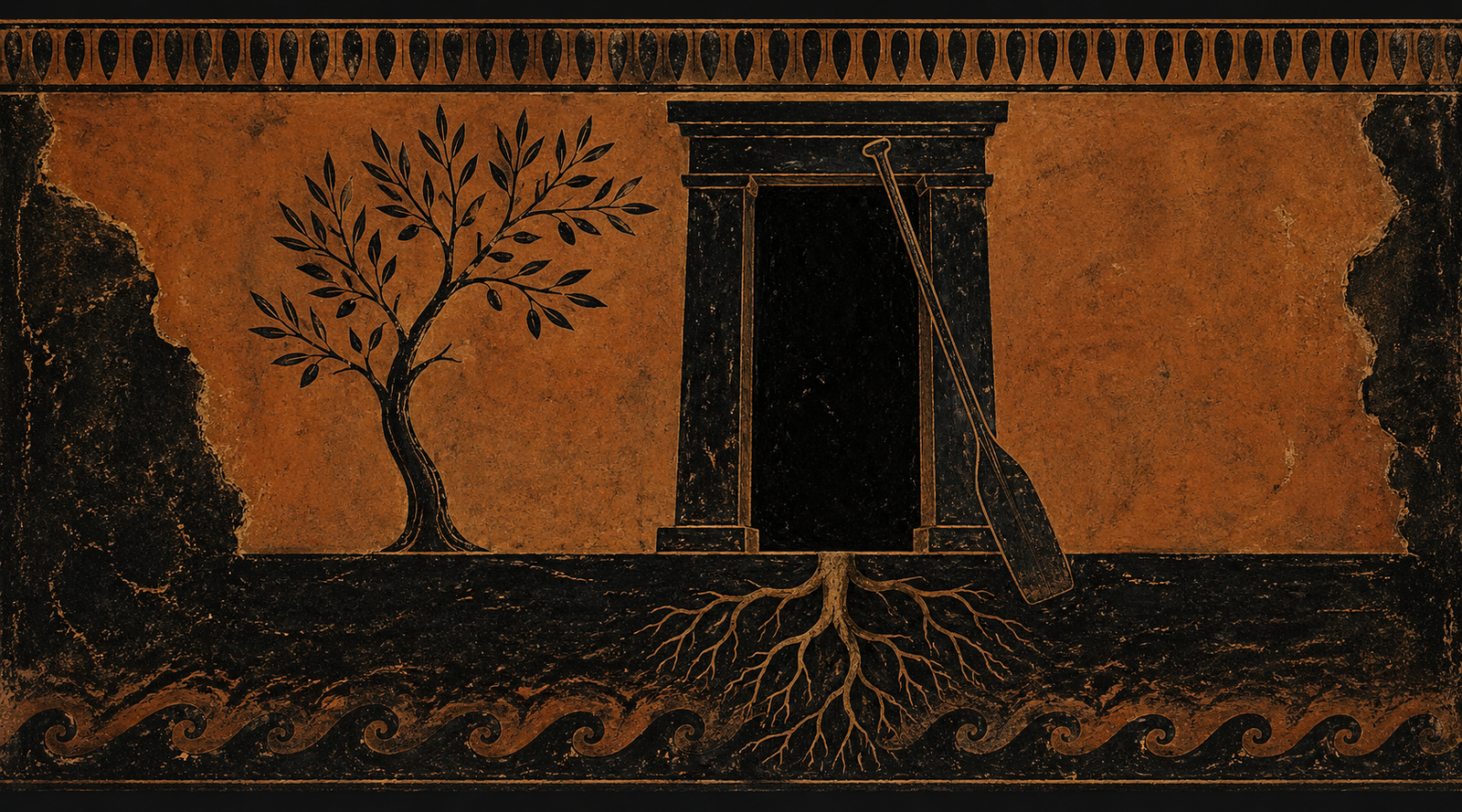

No Man Comes Home VI — The Oar That Could Not Belong
A grave Odyssey retelling from No Man Comes Home: Tiresias gives Odysseus a prophecy stranger than return itself. After Ithaca, after the suitors, after the bed and the bow, he must carry an oar inland until the sea’s own instrument is mistaken for something else.
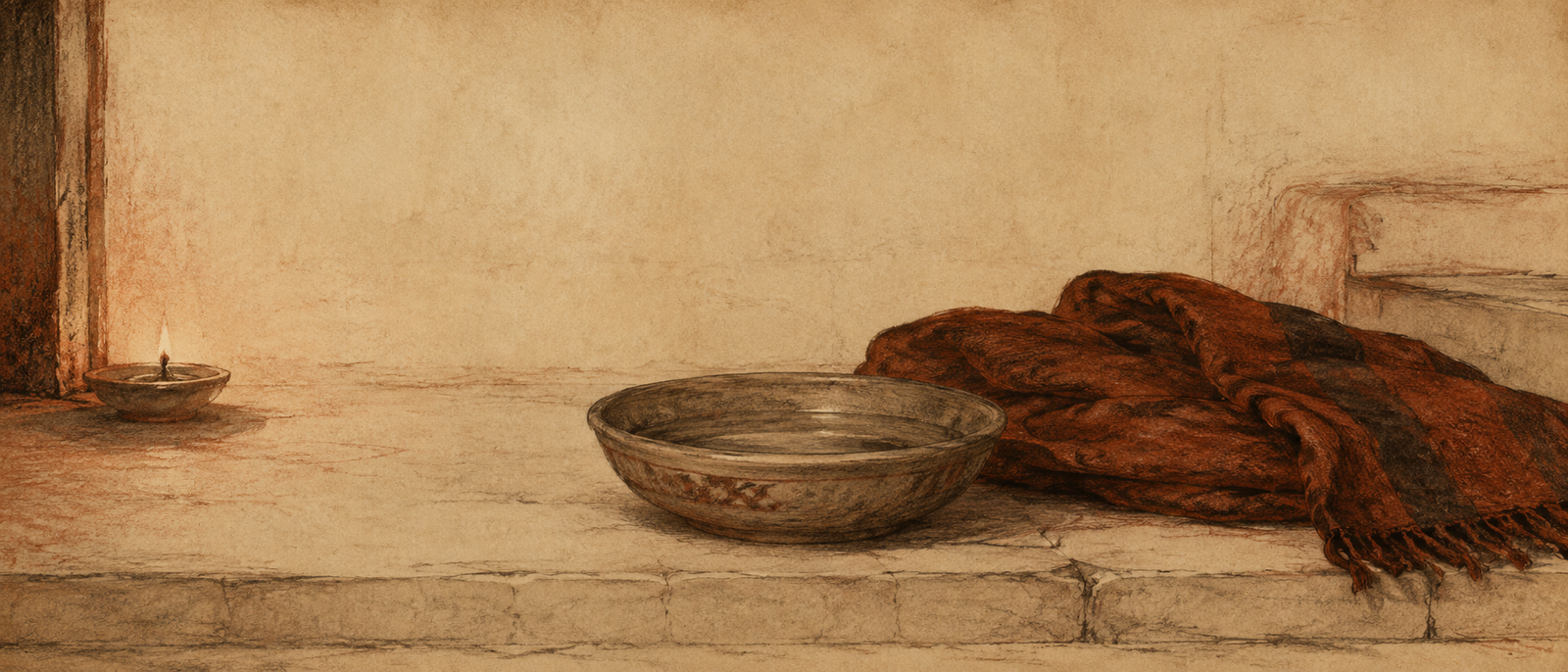

The Long Return VII — The Palace of Alcinous
Odysseus reaches the palace of Alcinous, but safety is not yet home. In this seventh instalment of The Long Return, hospitality becomes a moral test: a good house receives the stranger’s body before demanding his story.
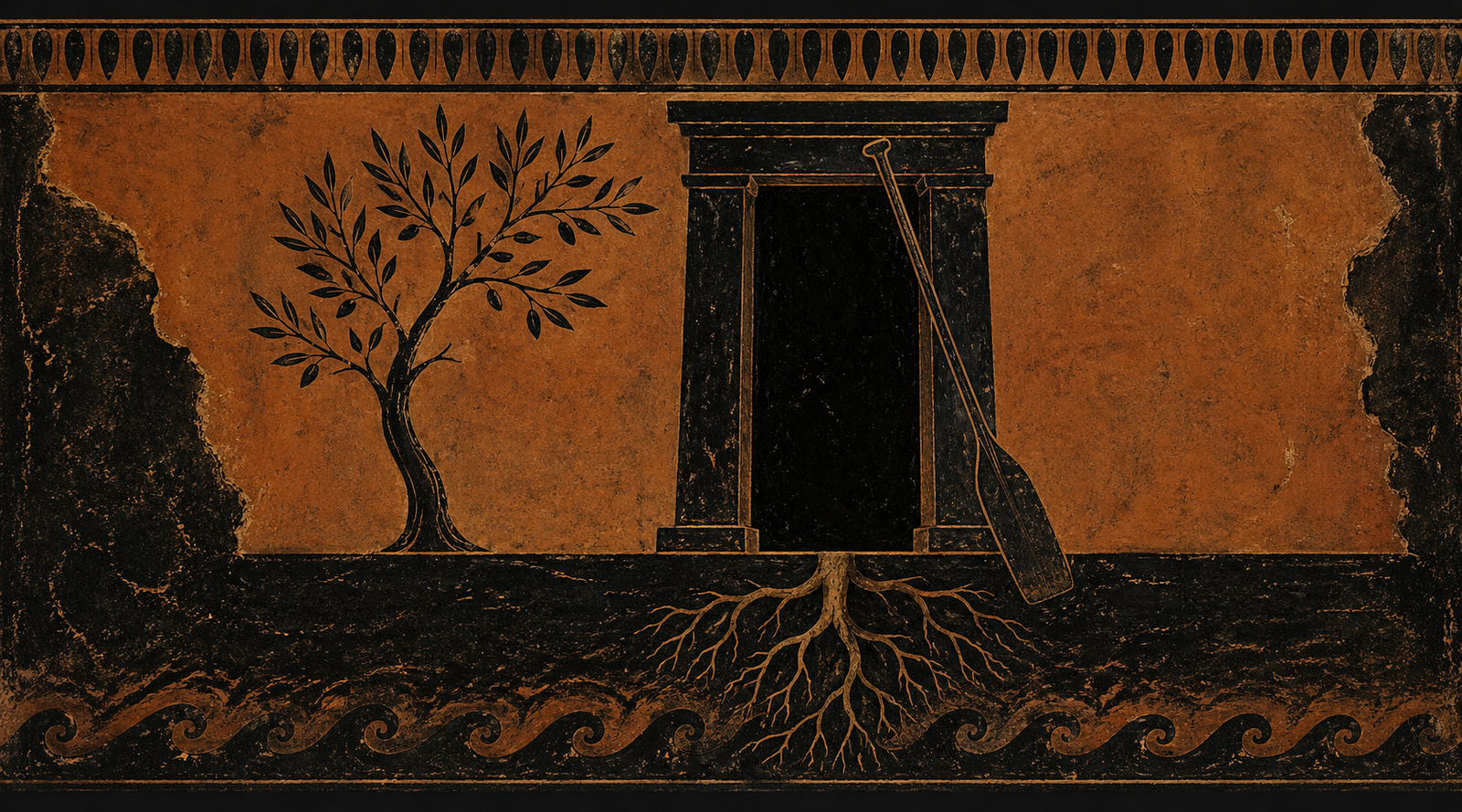

No Man Comes Home V — The Name Inside the Cave
In this fifth canto of No Man Comes Home, Odysseus enters the cave of Polyphemus with no need to be there. What follows is not only a famous Greek myth of cunning and escape, but a severe study of curiosity, leadership, hospitality, and the danger of needing one’s name to be known.