
The Library gathers the written works of Lucas Varro — journals of the temples, mythic retellings, contemplative essays, poems, and volumes shaped by shadow, silence, and wonder. Here, words stand beside images as offerings: field notes from Angkor, meditations on sacred stone, old stories rekindled, and reflections carried beyond the visible world.
Within these shelves you will find many rooms: Angkor journals, myth and legend, apsara meditations, contemplative essays, poems, children’s mythic wonder, literary retellings, and quieter devotions of the page. Wander chronologically, enter by theme, or pass through one of the dedicated publication houses now gathered within the wider Library.
For those who wish to follow these paths further, several of these writings continue on Substack and in dedicated archive blogs: The Lantern Chronicles , where myth, legend, contemplative essays, poetry, and other imaginative works are carried onward; The House of Cadmus , where Greek myth and tragedy are reopened through inheritance, violence, fate, and recurrence; The Mytharium , where myth, Tolkien, fairy stories, and old literature are read and retold with seriousness; The Alexander Series , where A. M. Sharp retells Greek myths for children who want to be trusted by stories; and The Hospitable Dark , where A. M. Sharp offers literary myth retellings shaped by darkness, shelter, endurance, and return.
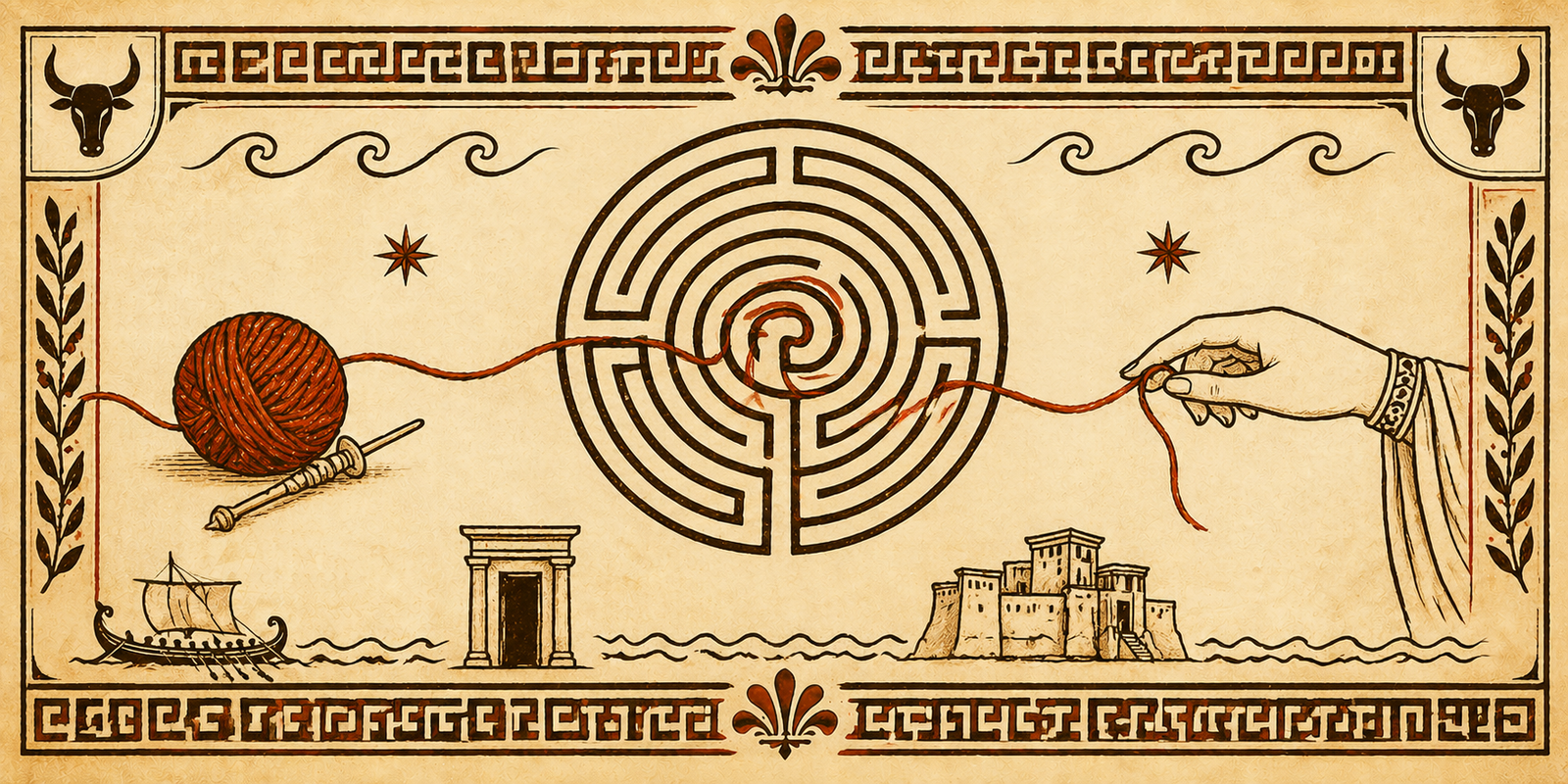

Ariadne’s Thread: The Small Thing That Leads Courage Home
After Theseus escapes the Labyrinth, this Greek World entry turns to the smallest object in the story: Ariadne’s thread. It does not defeat the Minotaur. It defeats being lost. A child-readable guide to Ariadne, the Labyrinth, courage, return, and the quiet line that leads the hero home.

The Long Return I — The Boy and the Goddess
The opening instalment of The Long Return, a prose retelling of Homer’s Odyssey from The Hospitable Dark. Before Odysseus comes home, his son must learn how to stand inside the occupied house his father left behind.
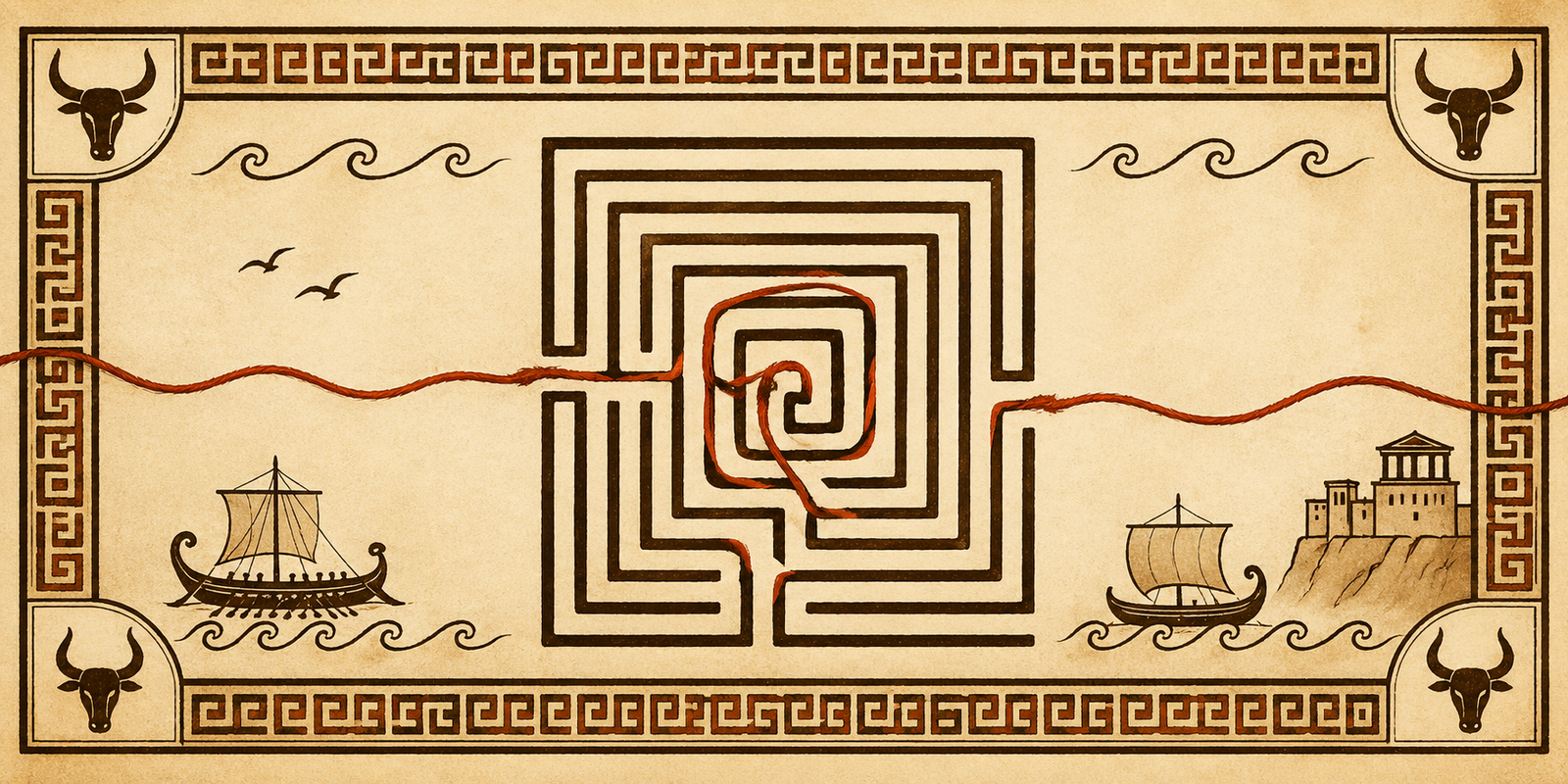

Theseus and the Thread
A serious children’s Greek myth retelling of Theseus, Ariadne’s thread, the Minotaur, and the Labyrinth. Written for The Alexander Series, this tale carries real danger, warmth, courage, and wonder — reminding young readers that a sword may face the monster, but a thread remembers the way home.
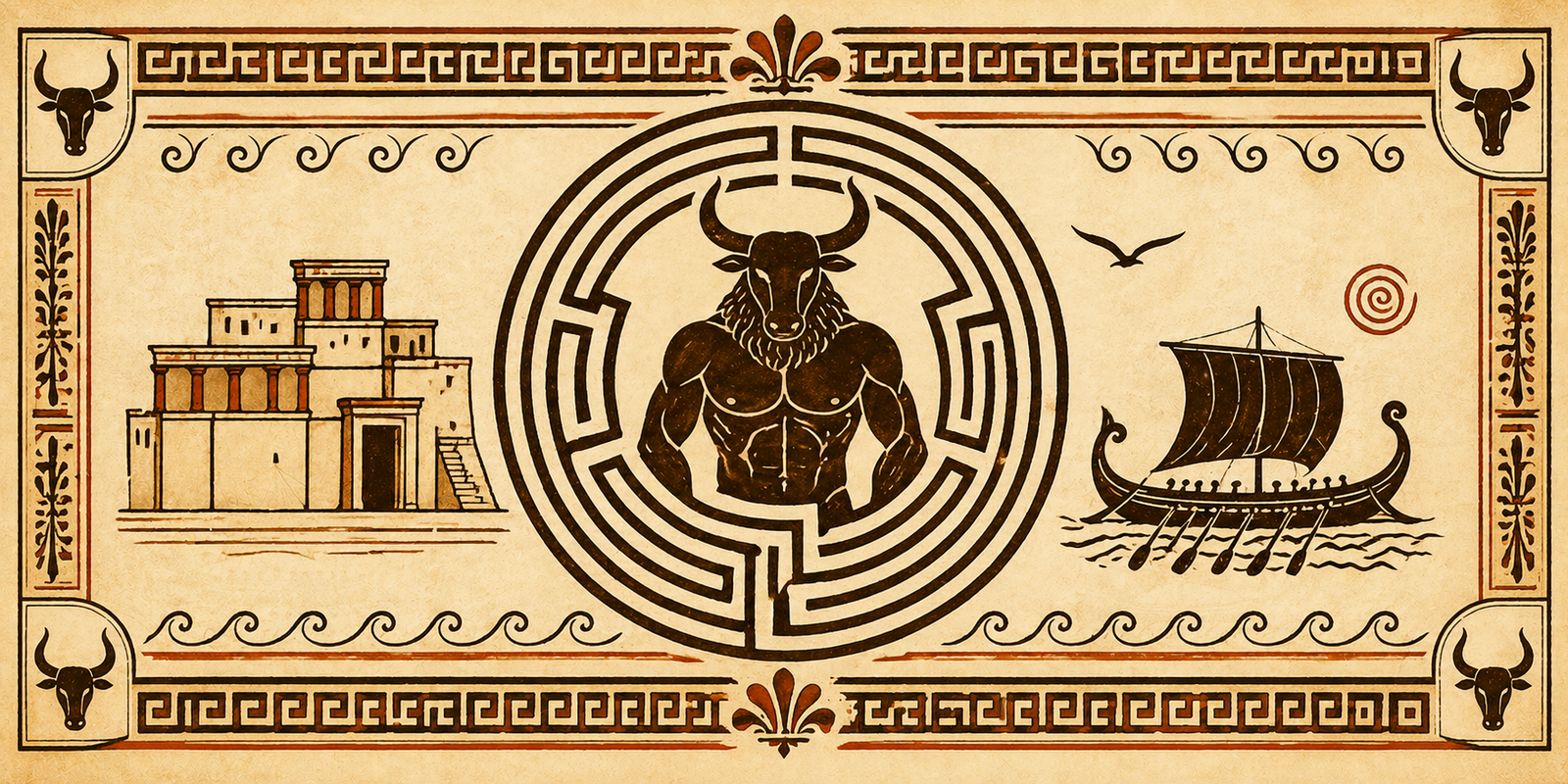

The Minotaur: The Monster at the Centre of the Labyrinth
Before Theseus enters the Labyrinth, a child should understand the Minotaur: not only a monster, but a secret hidden inside a royal house. This Greek World entry opens the dark centre of Crete — King Minos, Poseidon’s anger, Daedalus’s maze, and the creature no one sent into the Labyrinth was expected to survive.
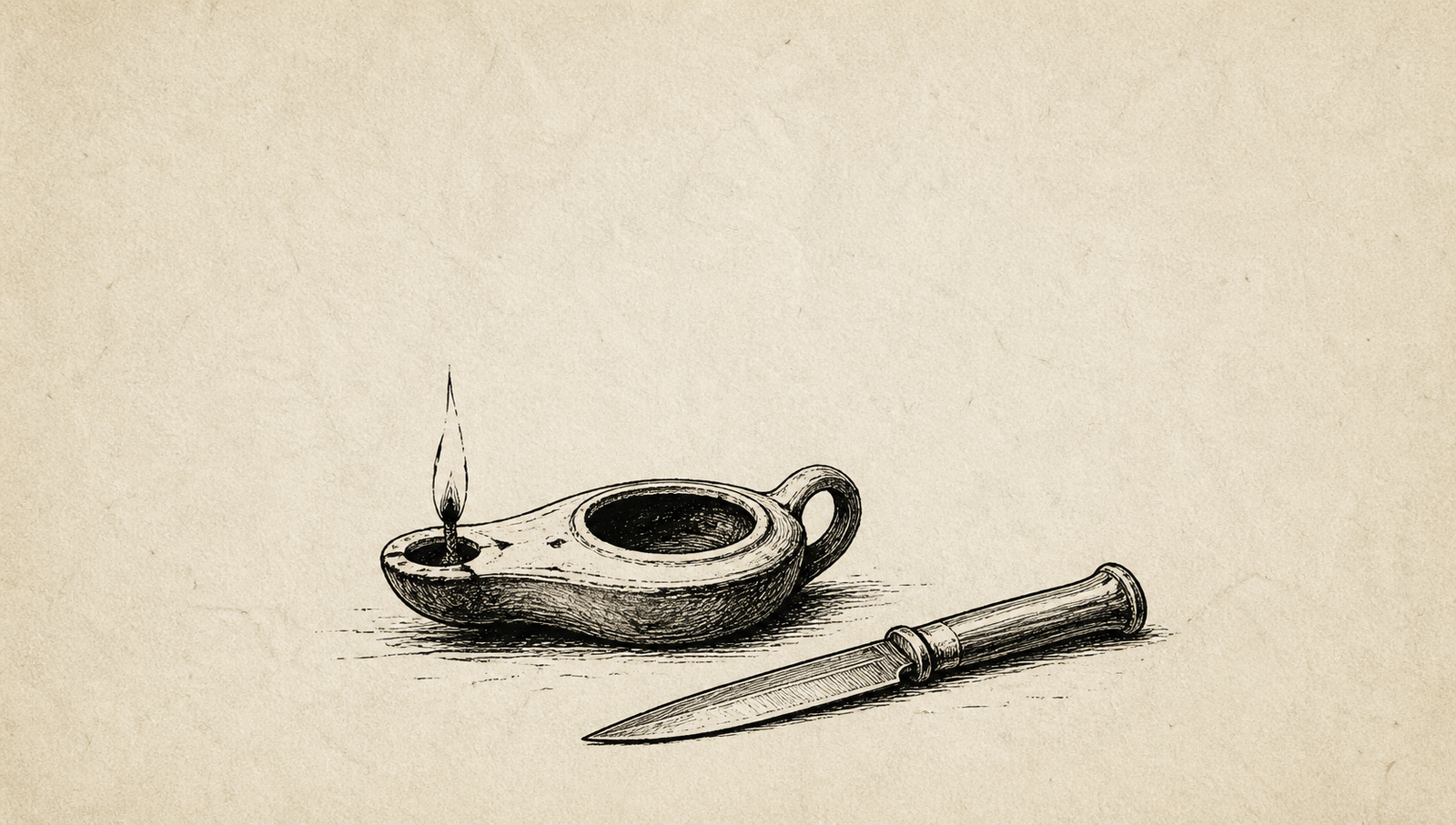

Eros and Psyche — The Lamp and the Wound
A grave literary retelling of Eros and Psyche from The Hospitable Dark, beginning with a mortal girl worshipped for beauty, a hidden god, and a lamp raised not from curiosity alone, but from the need for love to bear the light.
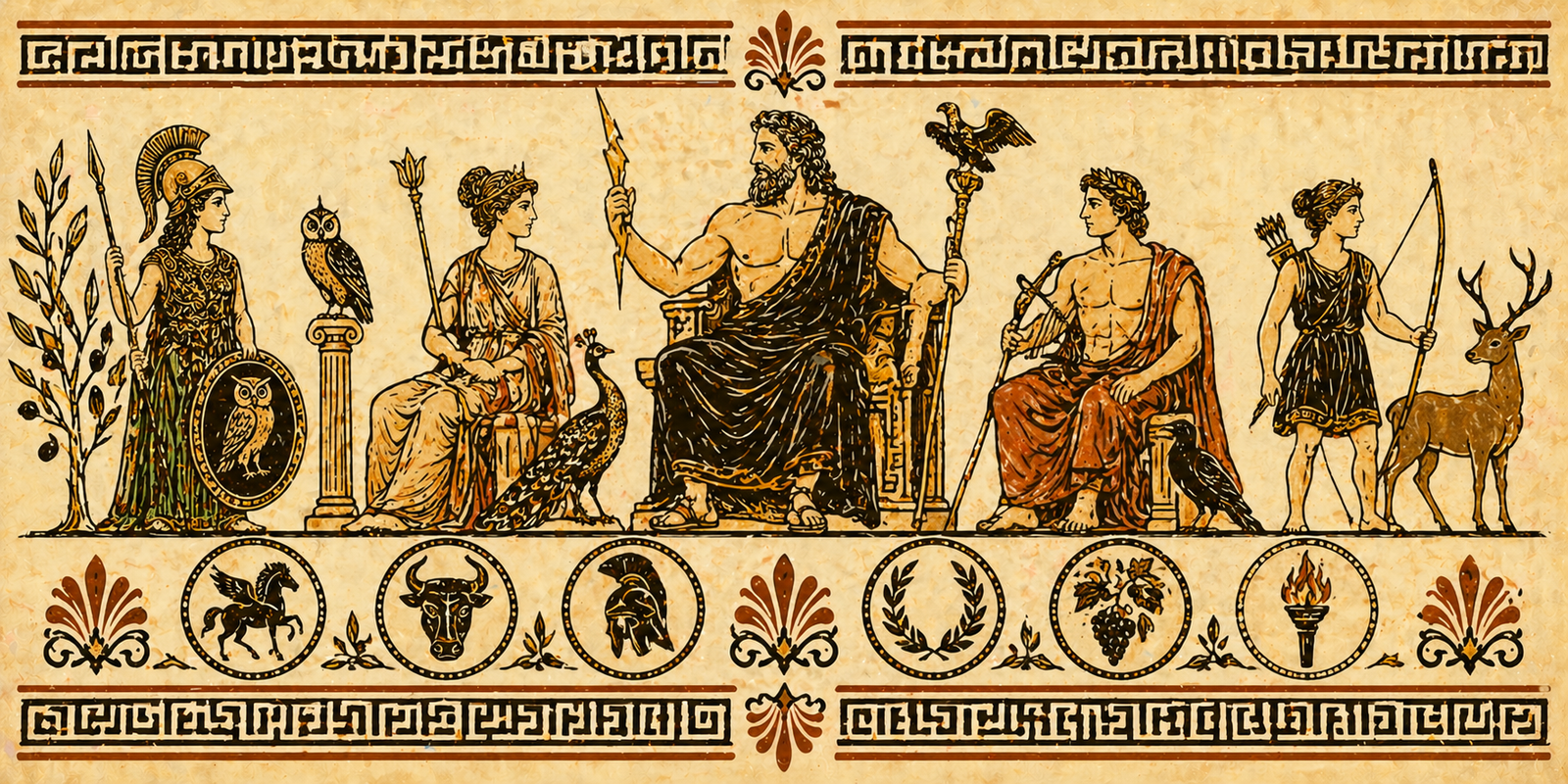

Zeus and His Children: The Stormy Family Tree of Greek Myth
In Greek myth, being Zeus’s child is never merely lucky. This Greek World entry introduces children to Zeus’s stormy family tree: Athena, Apollo, Artemis, Hermes, Dionysus, Perseus, Heracles, Helen, Minos, and the strange truth that divine parentage may bring glory, danger, trouble, or all three.
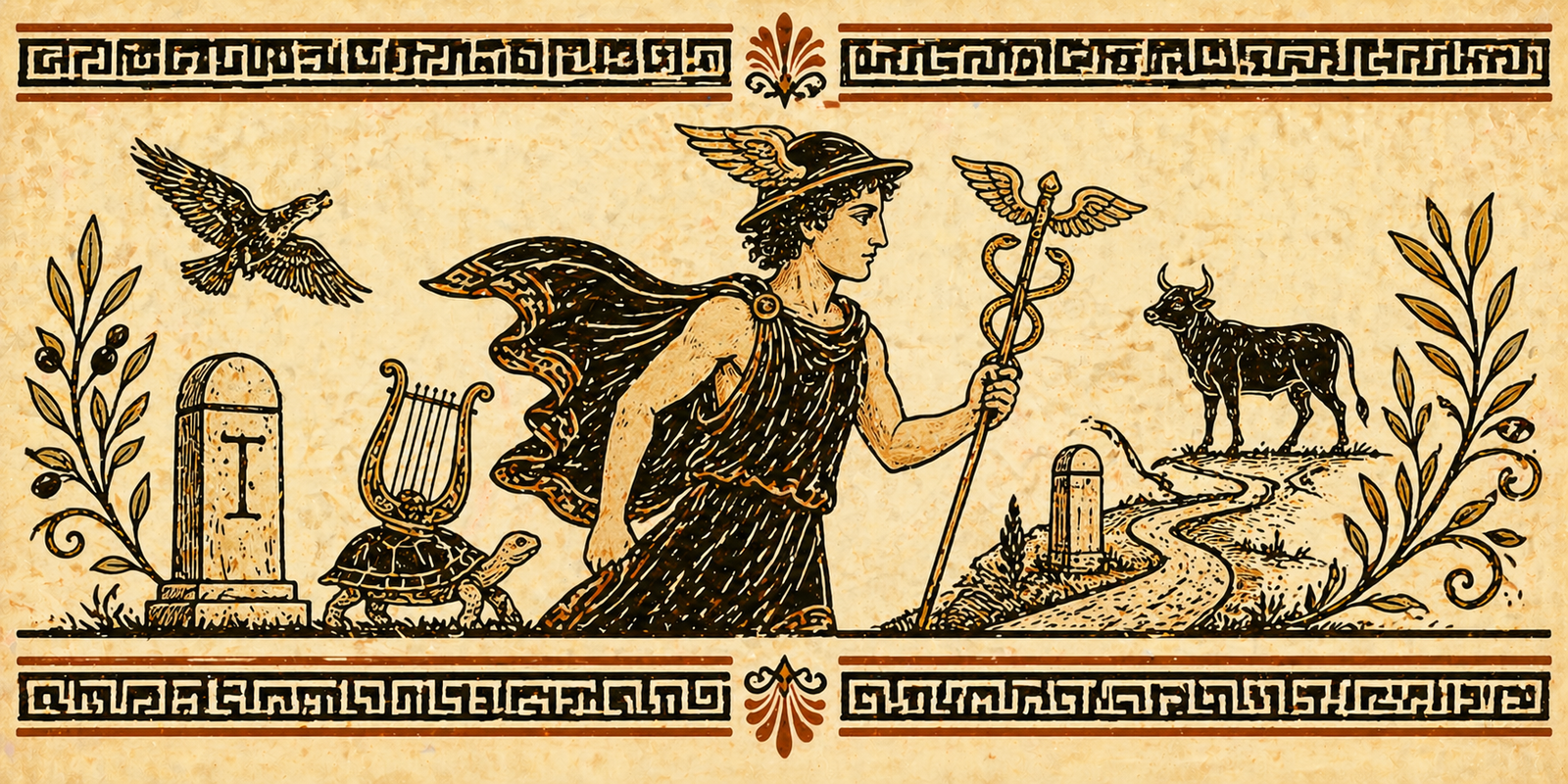

Hermes: The Road, the Message, and the Trick
Hermes is not the strongest god. He is quicker than that. This Greek World entry introduces children to the messenger of the gods: guide of travellers, friend of roads, master of tricks, and the god who appears when a hero needs more than courage to survive.
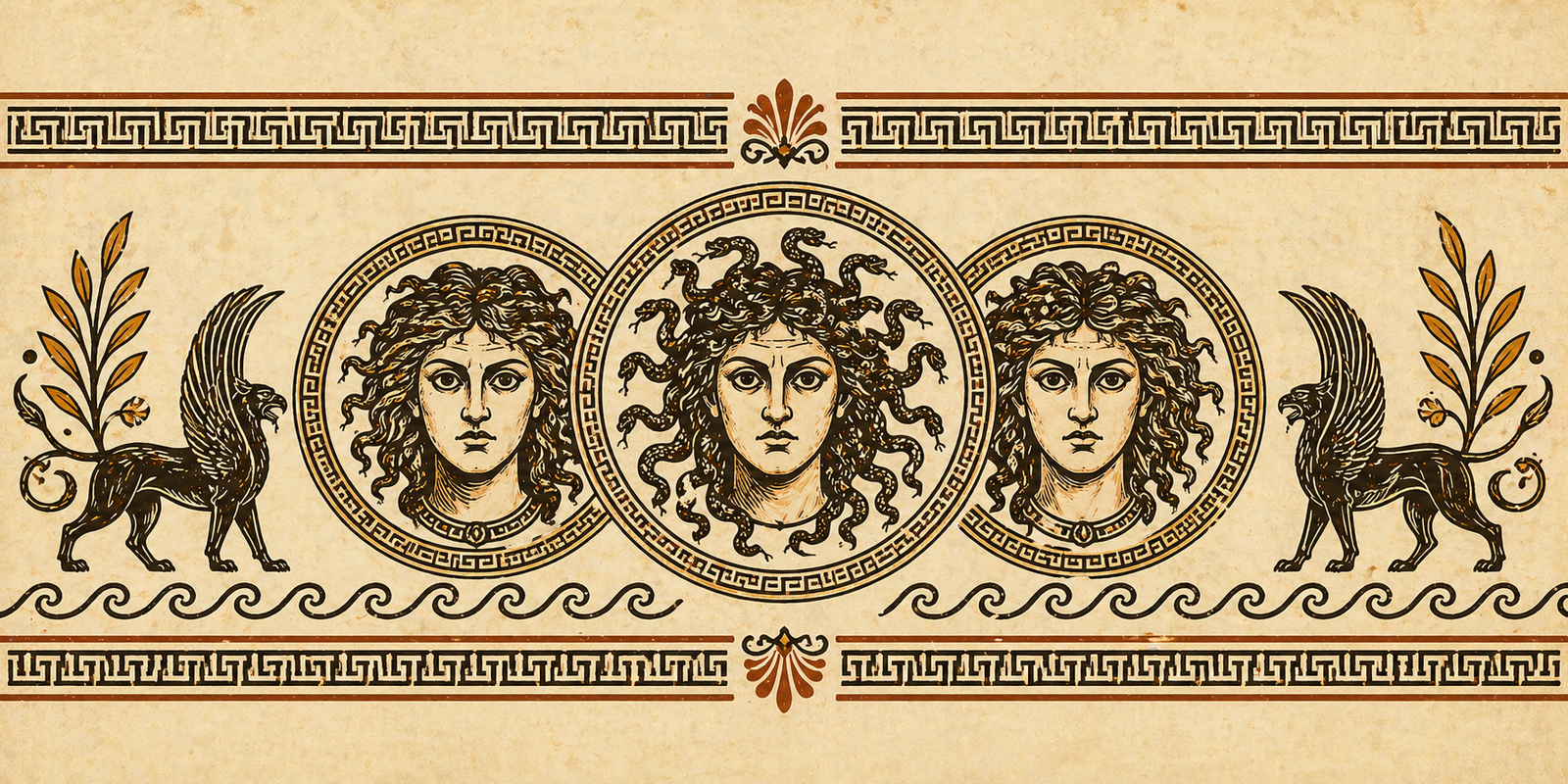

The Gorgons: Medusa, the Shield, and the Danger of Looking
After Perseus survives Medusa, this Greek World entry asks what a Gorgon really is. The Gorgons are not ordinary monsters. Their danger lies in looking itself. A child-readable guide to Medusa, her immortal sisters, Athena’s shield, reflected sight, and the strange wisdom needed to face a fear indirectly.
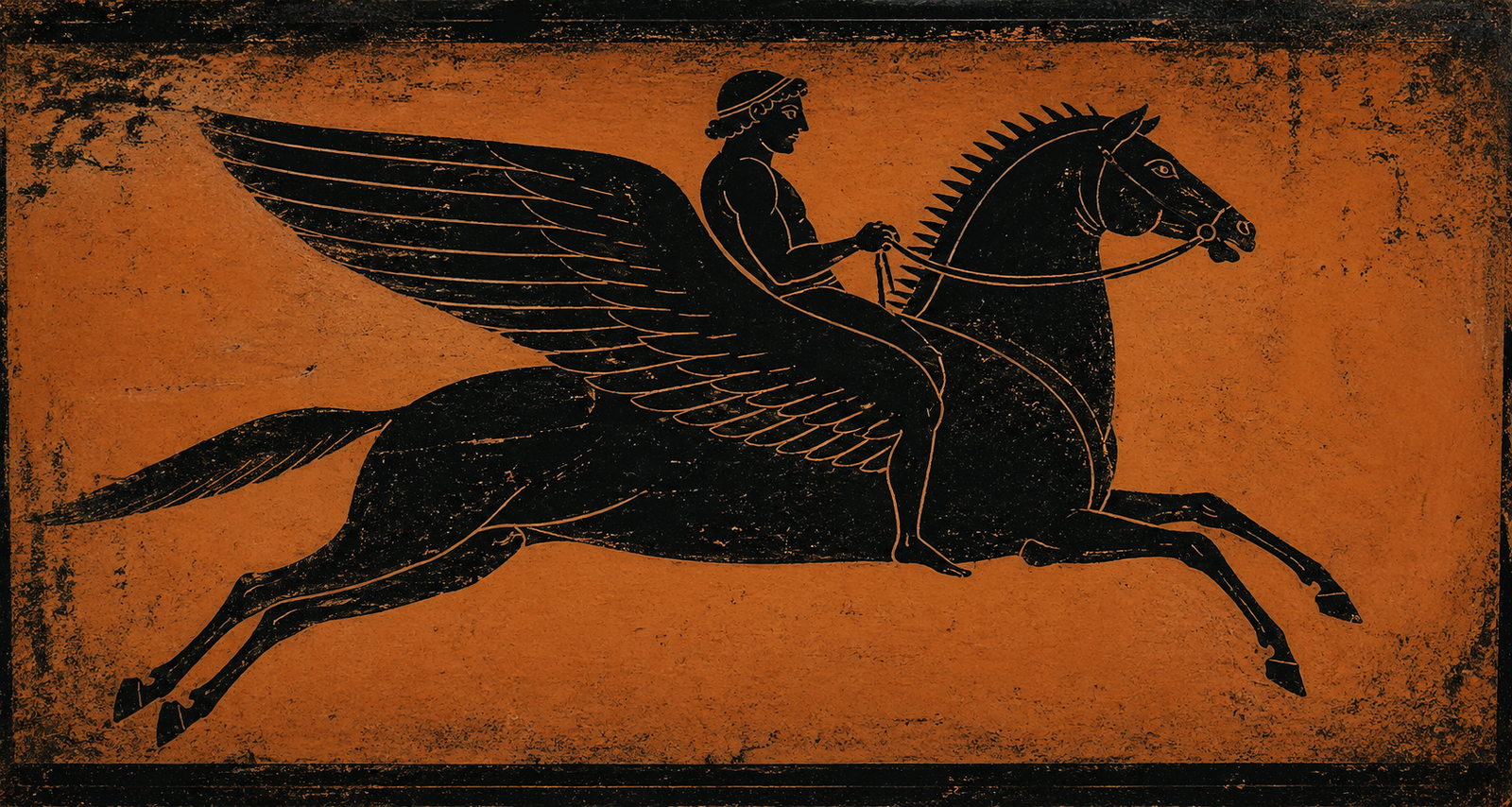

Bellerophon, Pegasus, and the Danger of Borrowed Height
Bellerophon is not only the man who rode Pegasus and fell. Beneath the famous image lies a darker structure: guest-law, written death, divine assistance, and the danger of borrowed height.
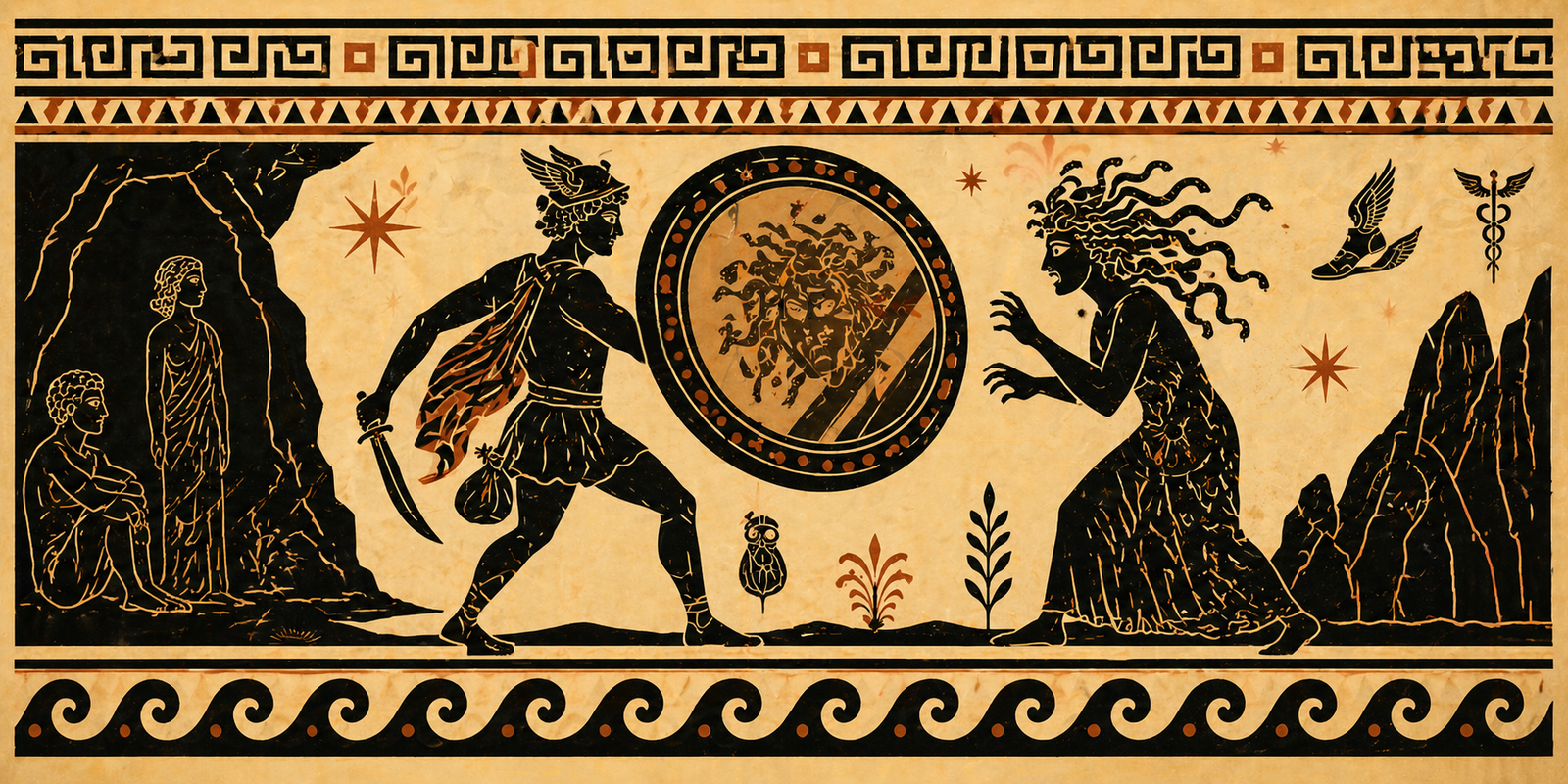

Perseus and the Shield of Athena
A serious children’s Greek myth retelling of Perseus, Athena’s shield, Medusa, and the courage to protect someone loved. Written for The Alexander Series, this tale gives children real danger, clear warmth, divine help, and the old strange wonder of Greek myth without making the story smaller.
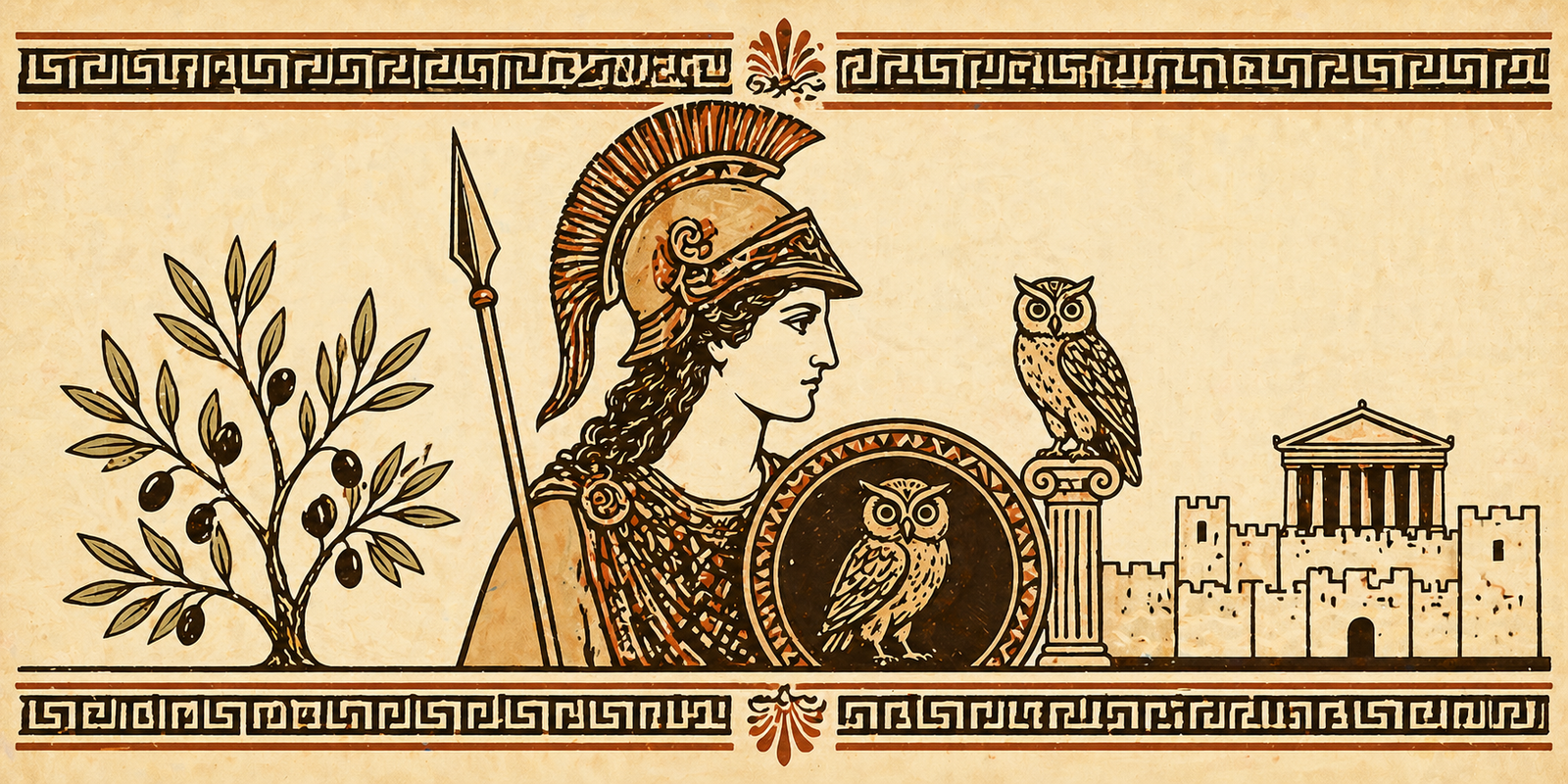

Athena: The Shield, the Owl, and the Courage to Think
Before Perseus meets the Gorgon, a child should know Athena: goddess of wisdom, shields, strategy, owls, olive trees, and courage under pressure. This Greek World entry introduces Athena’s signs and her sharper kind of help — not rescue from danger, but the wisdom to stand inside it without losing one’s mind.
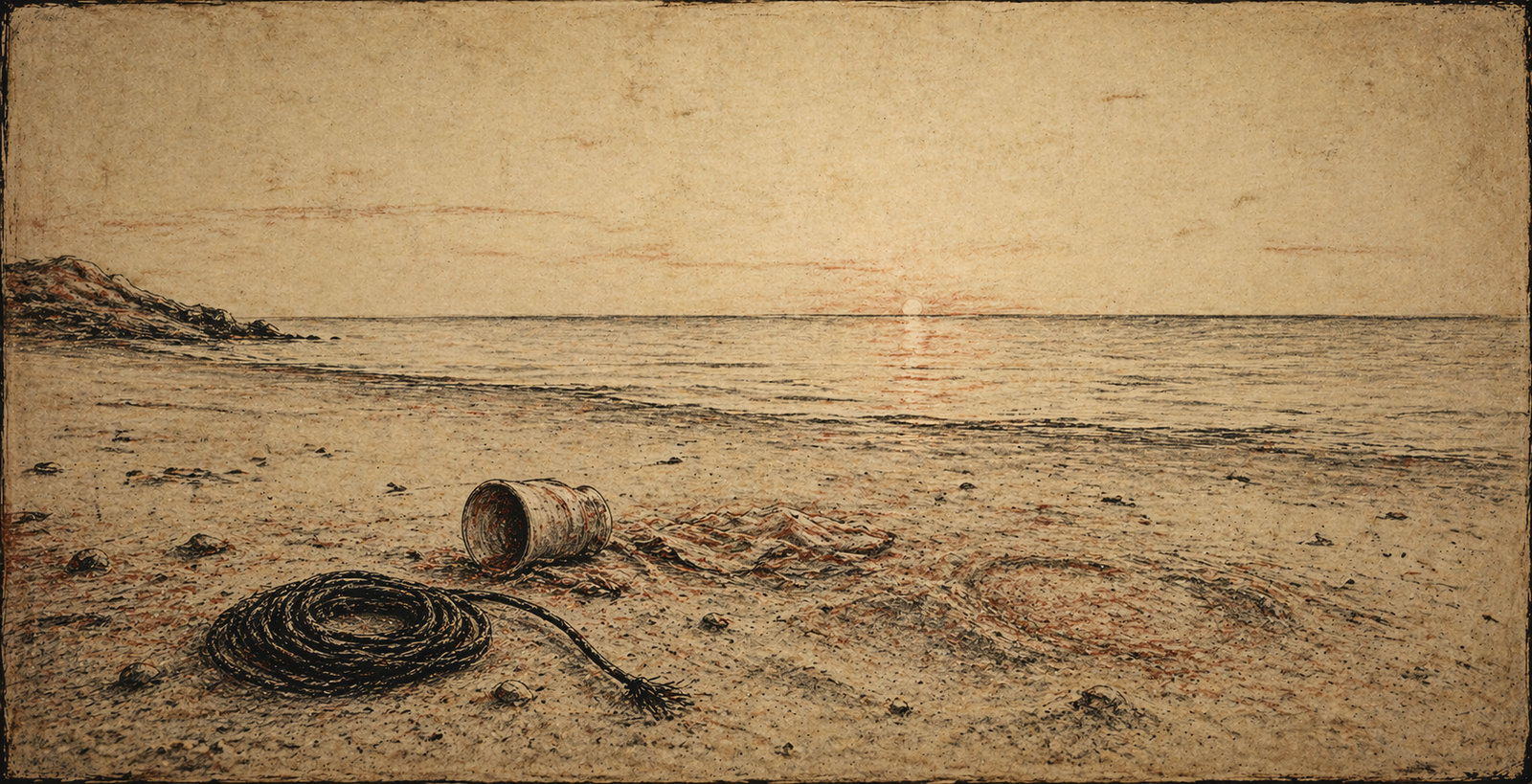

Ariadne — The Shore After Naxos
A literary retelling of Ariadne on Naxos from The Hospitable Dark, beginning after the Labyrinth, after the promise, and after the ship has gone. The thread remains in her hand, but the future it bought has already sailed without her.
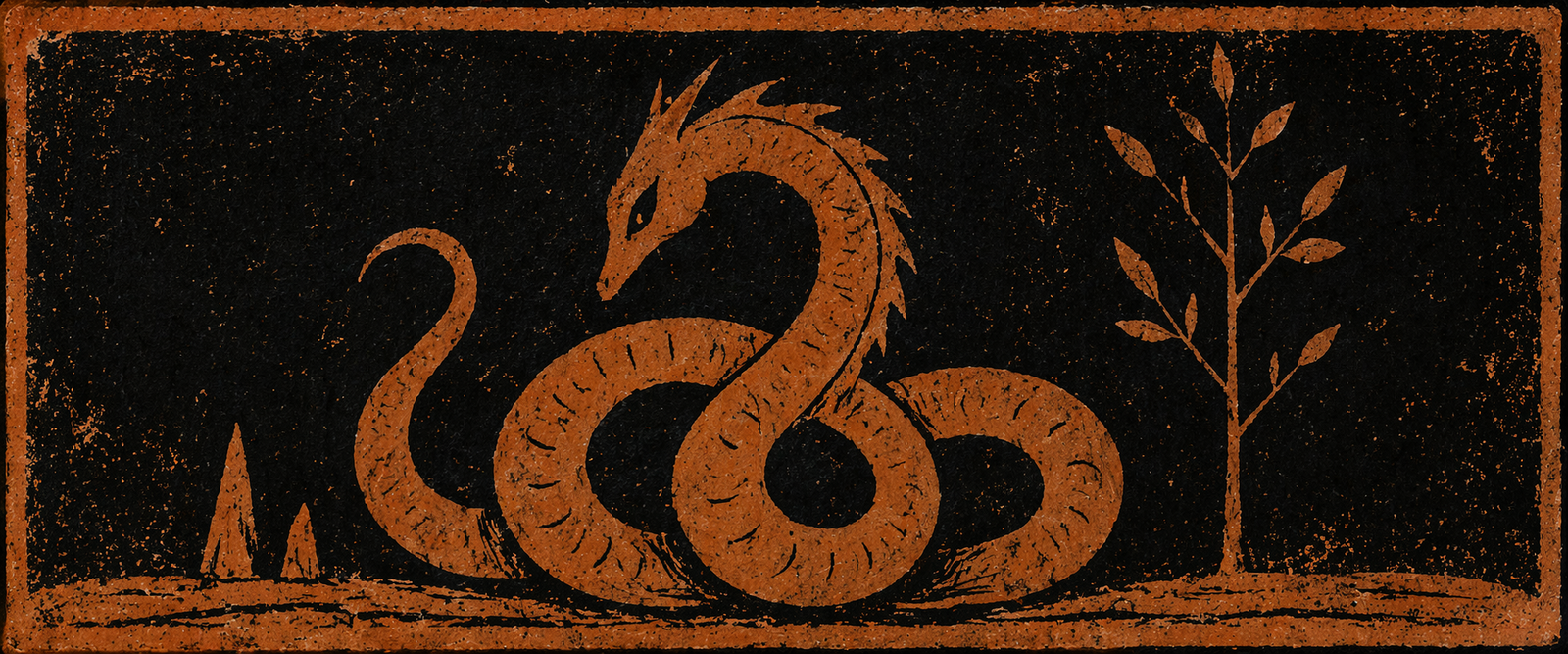

Cadmus and the Cost of Founding
Cadmus is not merely the namesake of the House. He is one of its governing laws: that what is founded on old and violent ground carries its materials forward into the future.
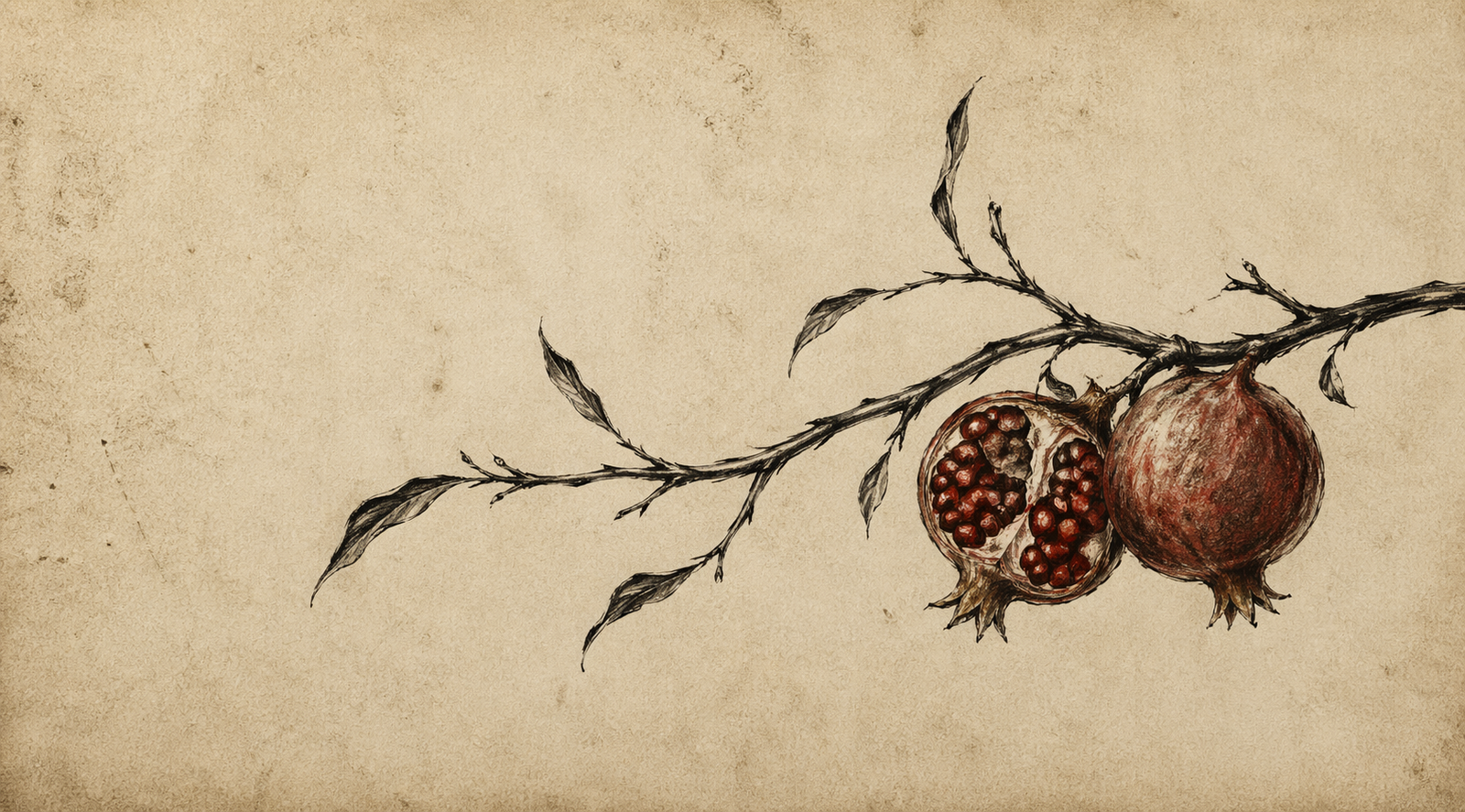

Demeter and Persephone — The First Winter
A literary retelling of Demeter and Persephone from The Hospitable Dark, beginning not with theology or seasonal explanation, but with a daughter gathering flowers, a mother’s grief, and the first winter that enters the world when love refuses to consent to loss.
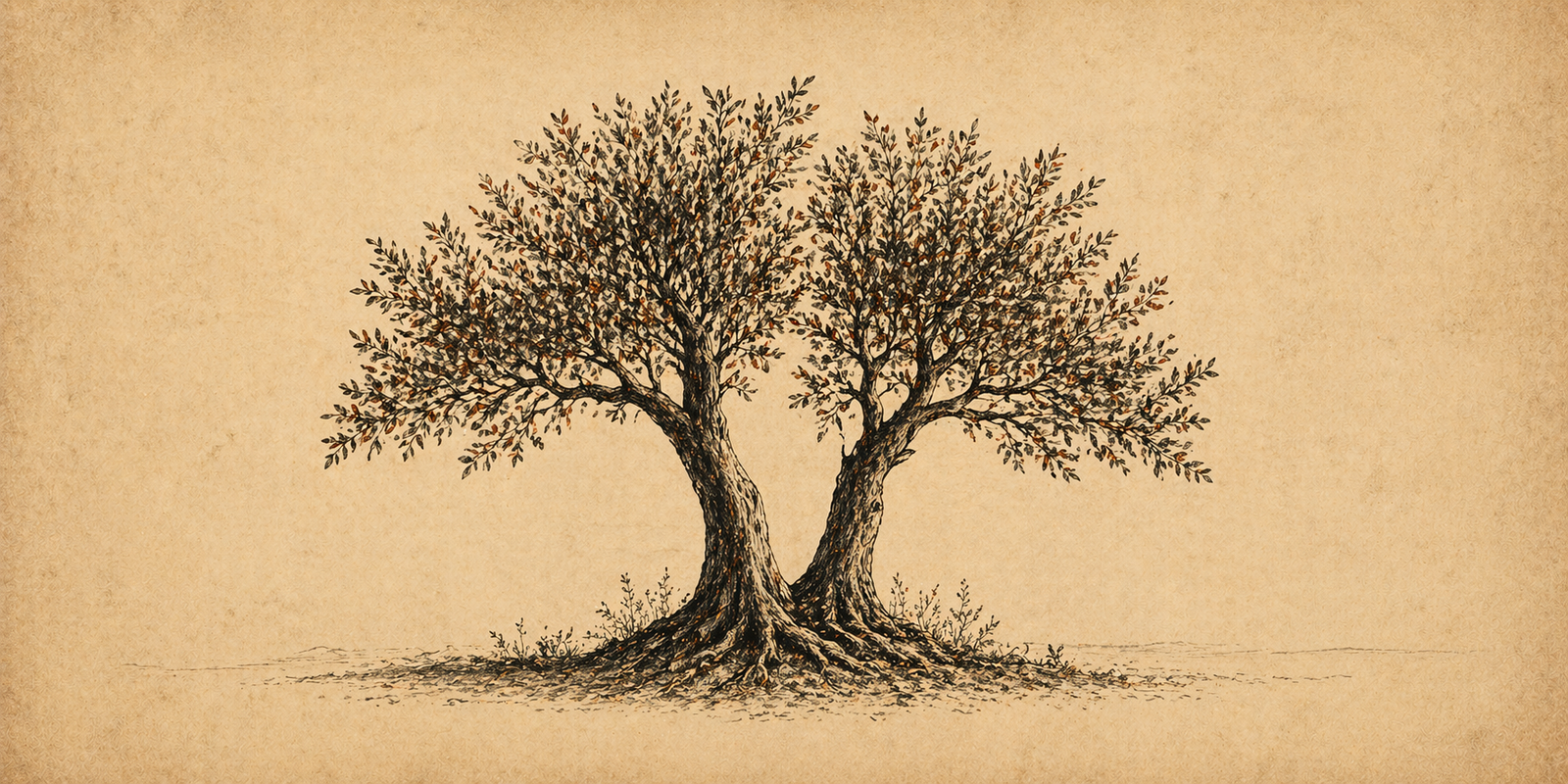

Philemon and Baucis — The Two Trees
A literary retelling of Philemon and Baucis from The Hospitable Dark, beginning not with miracle or punishment, but with poverty, marriage, and a poor house still capable of welcome. In this old myth, hospitality becomes sacred law, and two lives rooted together are finally given visible form.
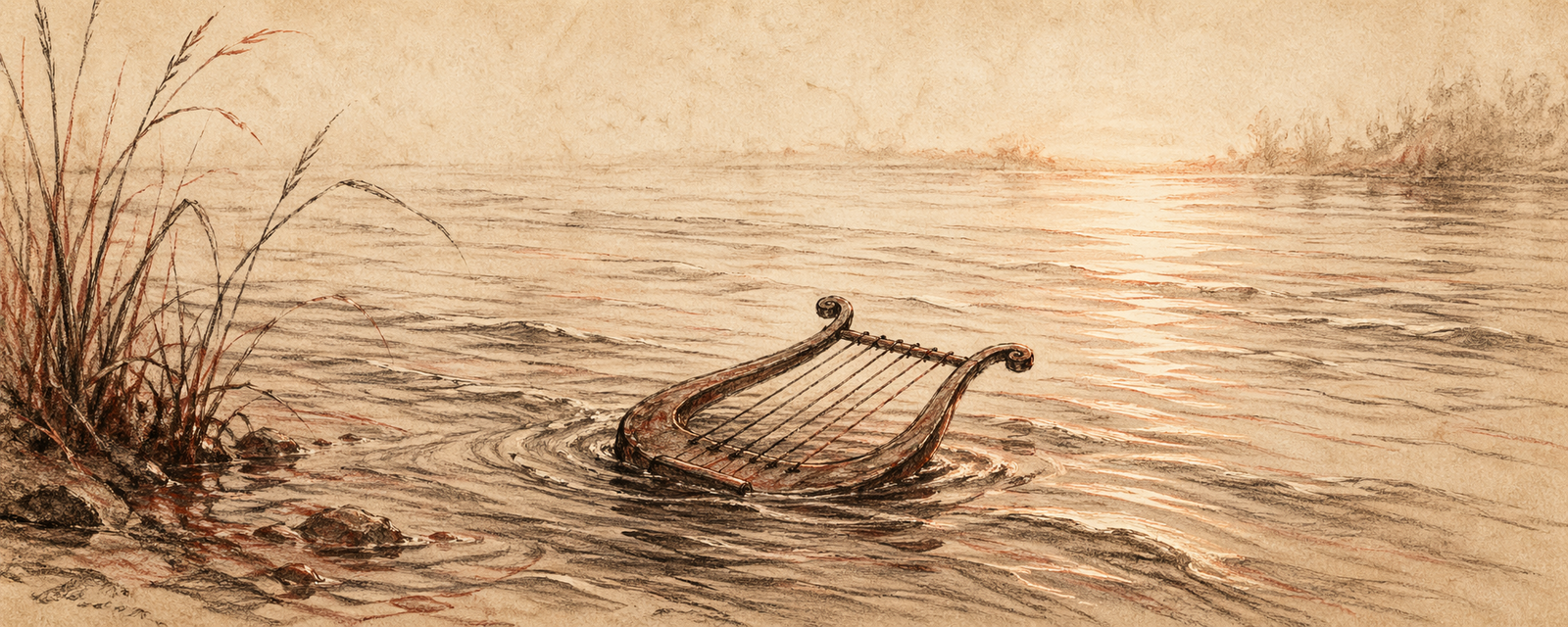

Orpheus — The Weight of Turning
A grave literary retelling of Orpheus and Eurydice from The Hospitable Dark, beginning not in the underworld, but in the ordinary morning love will later make sacred: a lyre, a doorway, a shared room, and the first unbearable shape of loss.
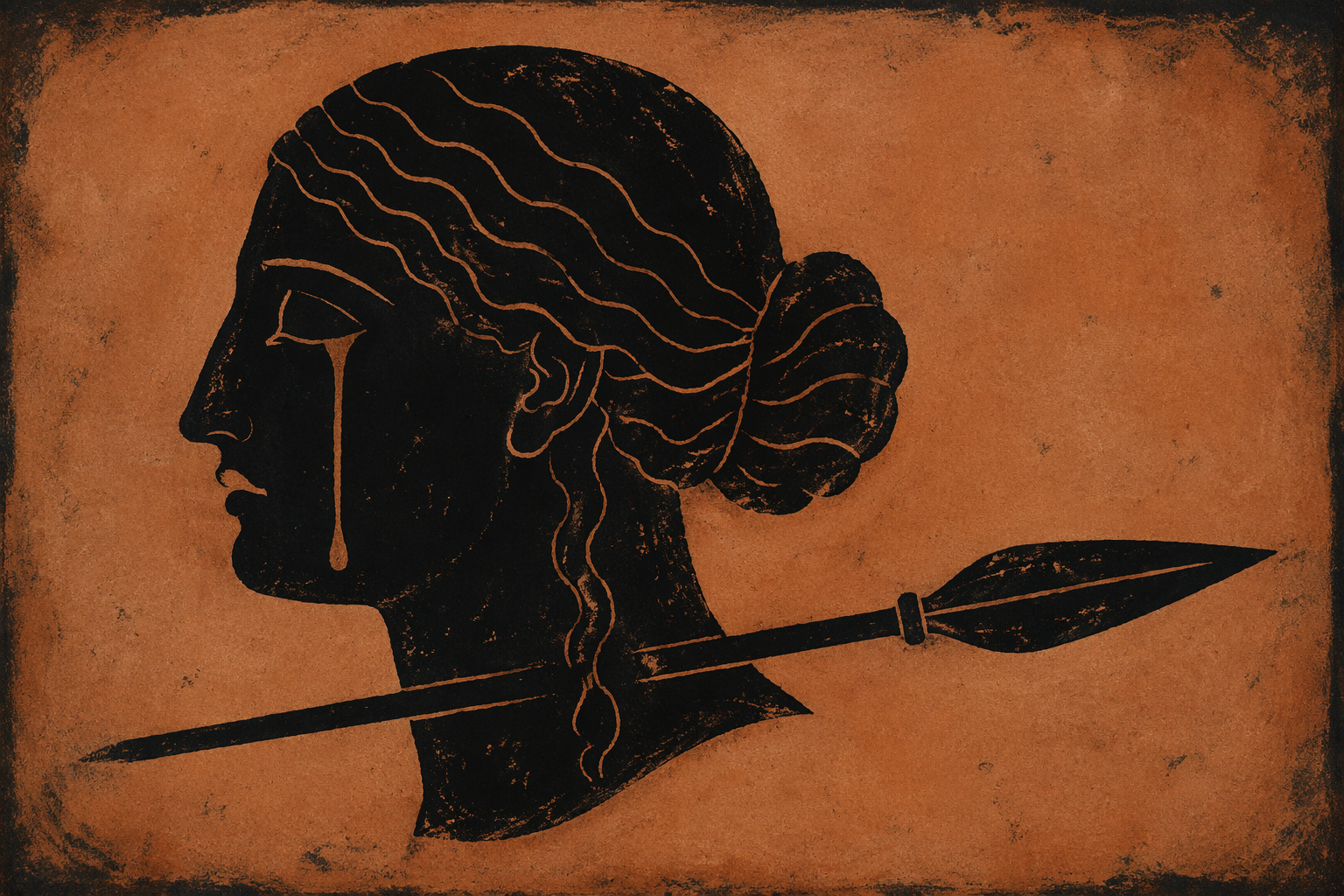

Narcissus and Echo
Echo is left with speech but stripped of beginning. Narcissus is brought before an image that answers every look and yields nothing. This First World retelling returns the old myth to its harsher structure: voice without origin, reflection without crossing, and metamorphosis without consolation.