
The Library gathers the written works of Lucas Varro — journals of the temples, mythic retellings, contemplative essays, poems, and volumes shaped by shadow, silence, and wonder. Here, words stand beside images as offerings: field notes from Angkor, meditations on sacred stone, old stories rekindled, and reflections carried beyond the visible world.
Within these shelves you will find many rooms: Angkor journals, myth and legend, apsara meditations, contemplative essays, poems, children’s mythic wonder, literary retellings, and quieter devotions of the page. Wander chronologically, enter by theme, or pass through one of the dedicated publication houses now gathered within the wider Library.
For those who wish to follow these paths further, several of these writings continue on Substack and in dedicated archive blogs: The Lantern Chronicles , where myth, legend, contemplative essays, poetry, and other imaginative works are carried onward; The House of Cadmus , where Greek myth and tragedy are reopened through inheritance, violence, fate, and recurrence; The Mytharium , where myth, Tolkien, fairy stories, and old literature are read and retold with seriousness; The Alexander Series , where A. M. Sharp retells Greek myths for children who want to be trusted by stories; and The Hospitable Dark , where A. M. Sharp offers literary myth retellings shaped by darkness, shelter, endurance, and return.
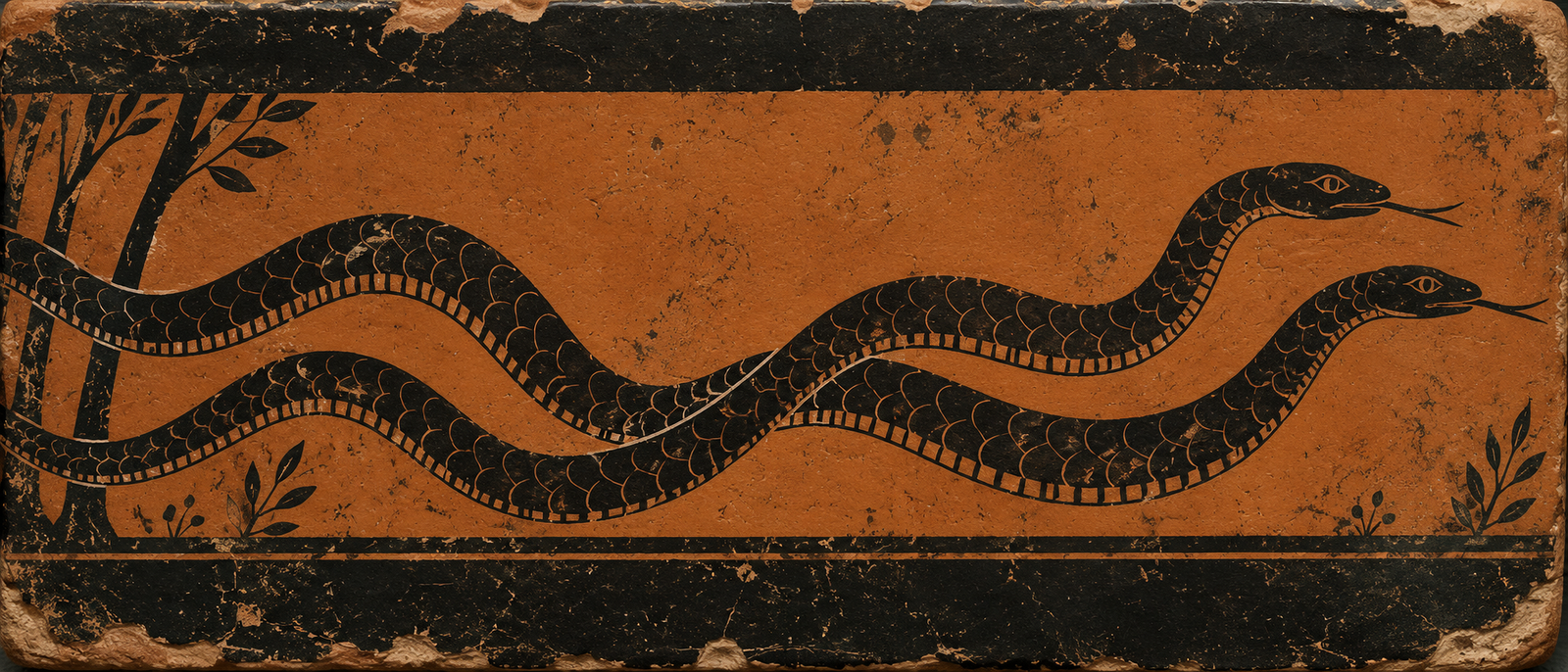

Harmonia and the Fatal Union
The gods came to Thebes for Harmonia’s wedding.
The Muses sang in the house Cadmus had built, and Cadmus fastened around her neck a necklace wrought by Hephaestus. They feasted with the gods.
The day had been beautiful.
Nothing that came later took that day from them.
In the years that followed, the house filled with children, grandchildren, ordinary voices—and losses for which no beginning could finally provide an answer.


The Poor Man’s House and the True Law of Welcome
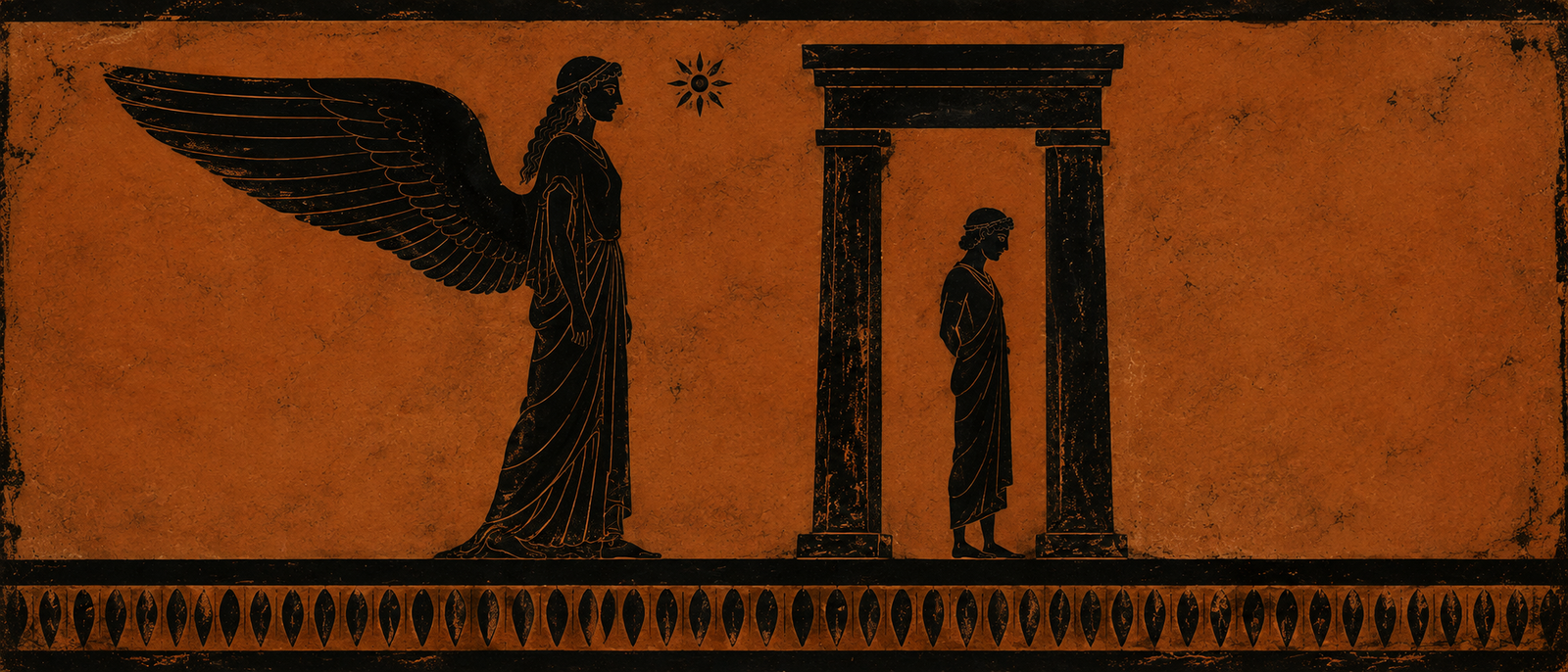
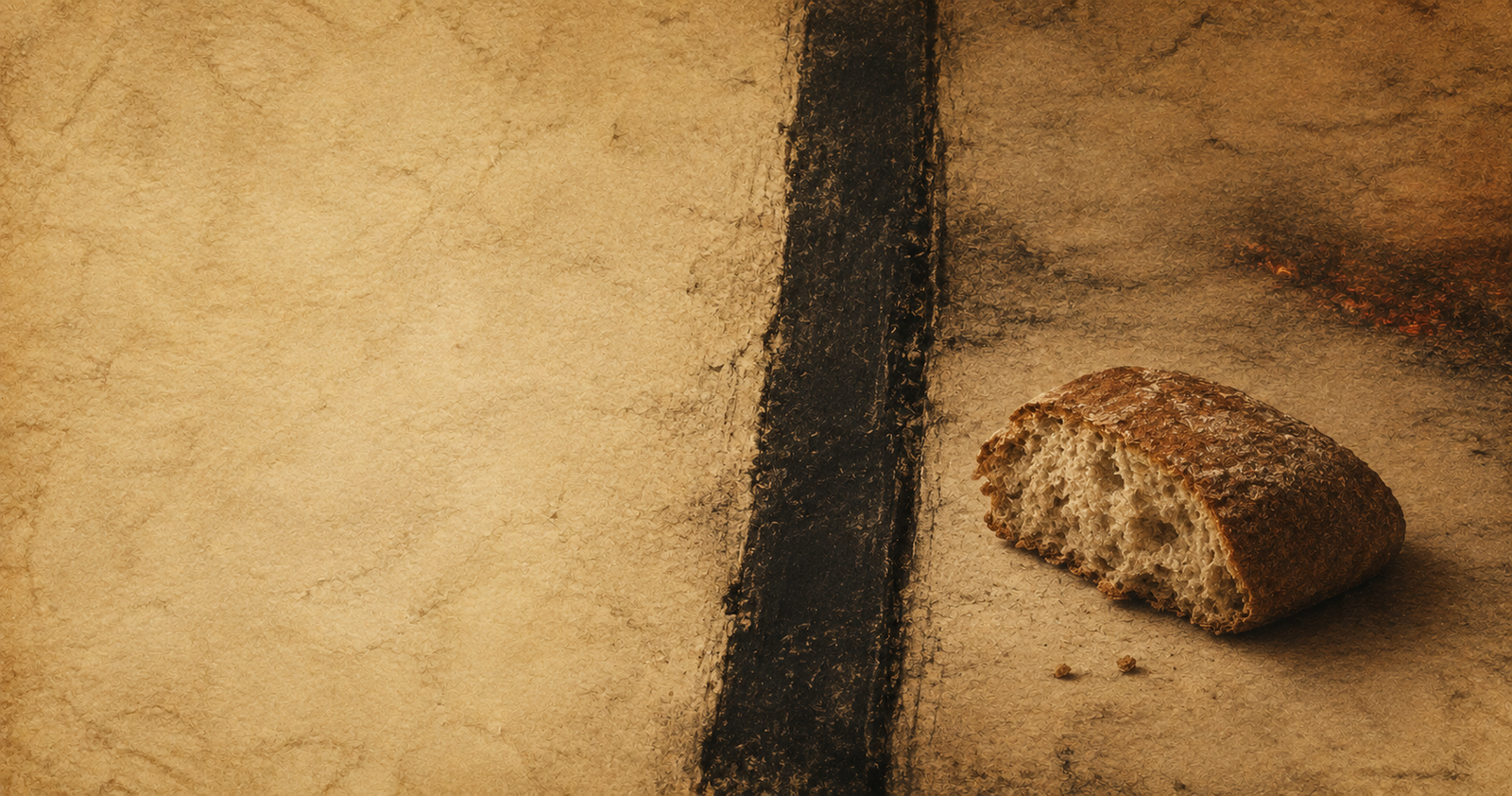
Eumaeus does not believe him.
That is what makes Book XIV’s hospitality so difficult. He listens to the stranger, judges his story doubtful, and continues to feed him. In Homer, welcome does not require the host to surrender judgement. It asks something harder: that another person’s need not disappear merely because certainty has.
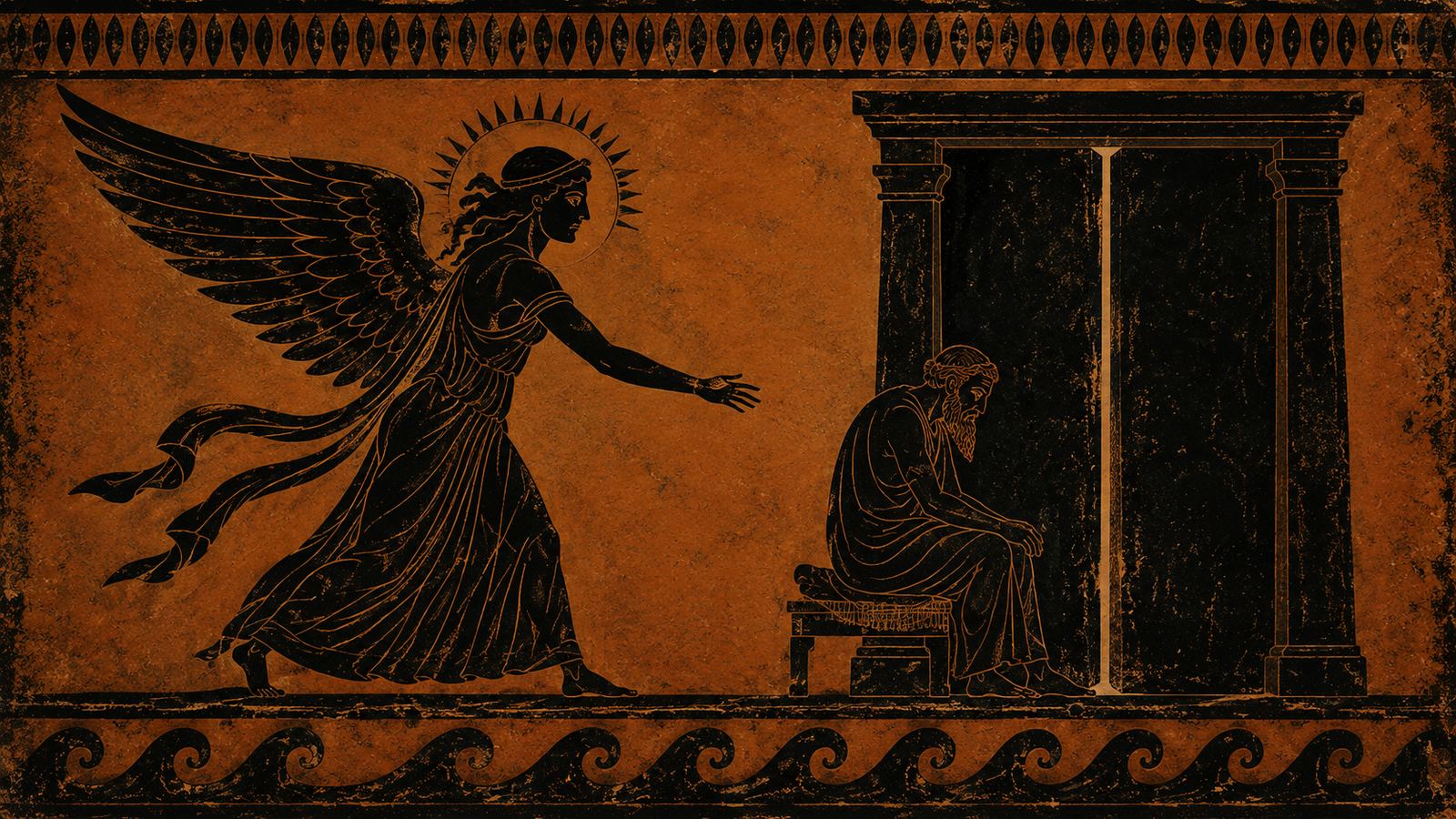

Tithonus — Behind the Shining Doors
Eos asked only that the man she loved should never die. The wish was granted. As Dawn returned each morning unchanged, Tithonus continued ageing—and the world around him slowly narrowed to a room behind shining doors.
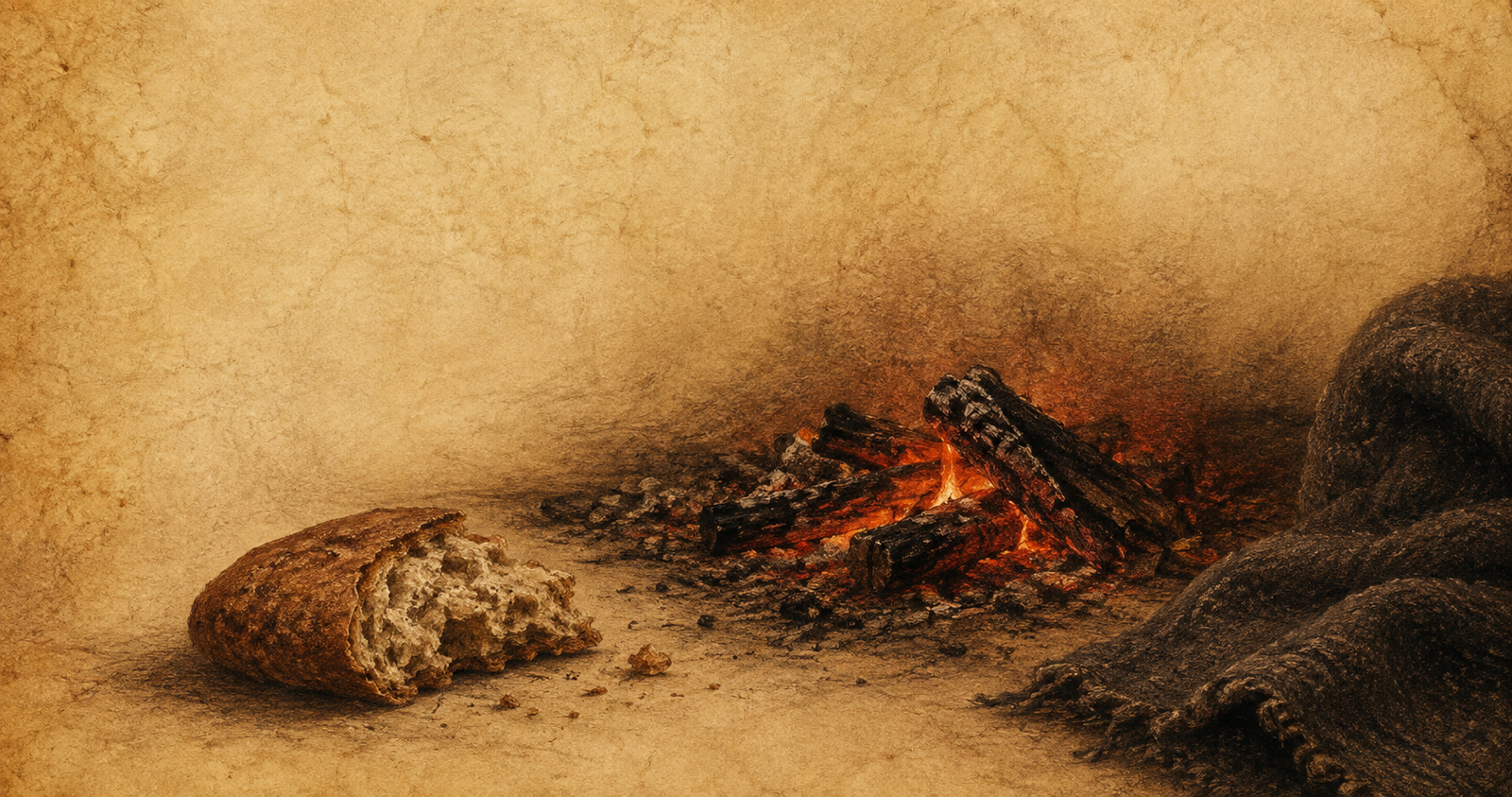

The Long Return XIV — In the Swineherd’s Hut
Odysseus reaches a poor swineherd’s hut and discovers hospitality, scepticism, and a loyalty that has survived his long absence.
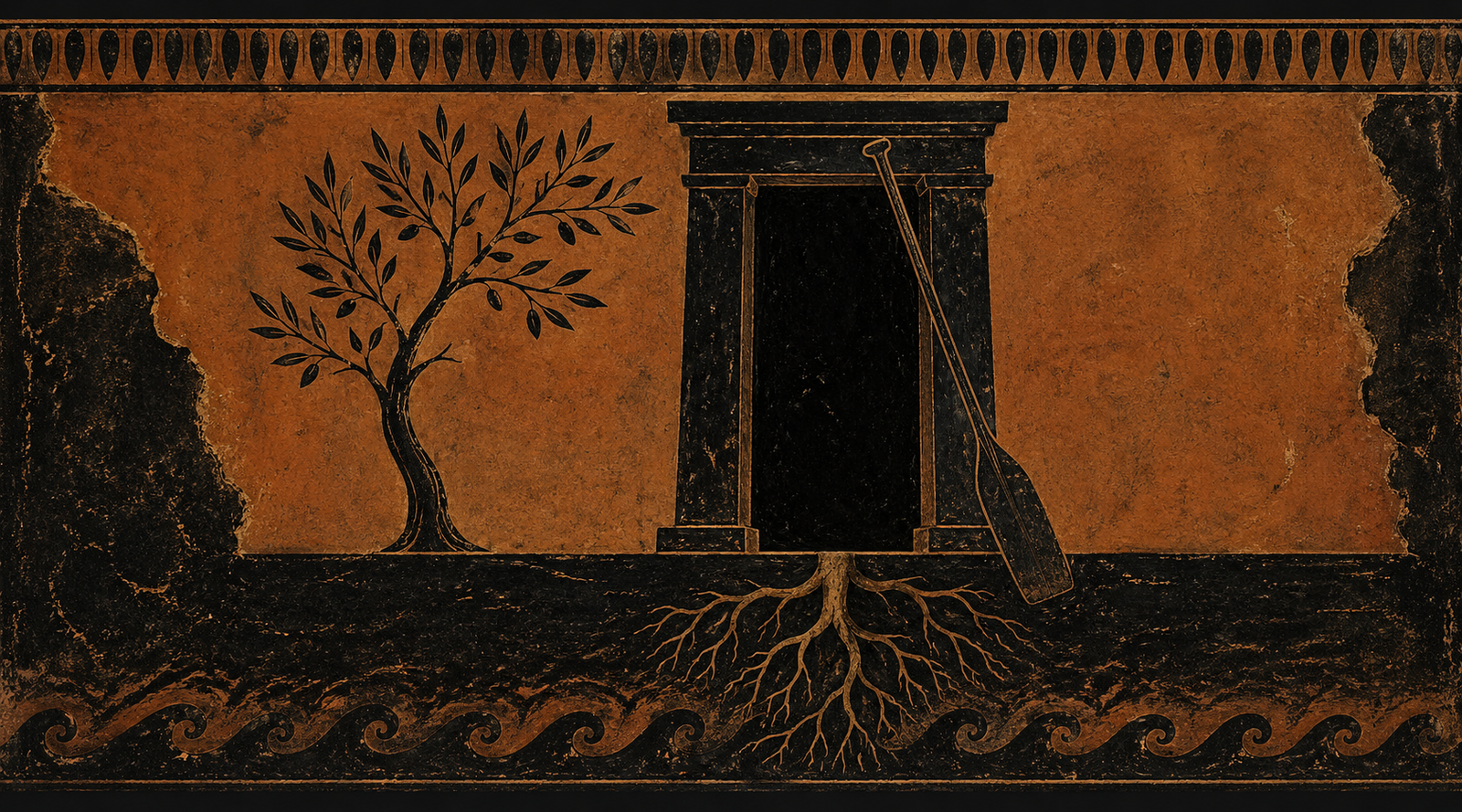

After the Door
Arrival is geographic. Return is moral. A ship can bring a man to shore, but no proof can make twenty years unhappen.
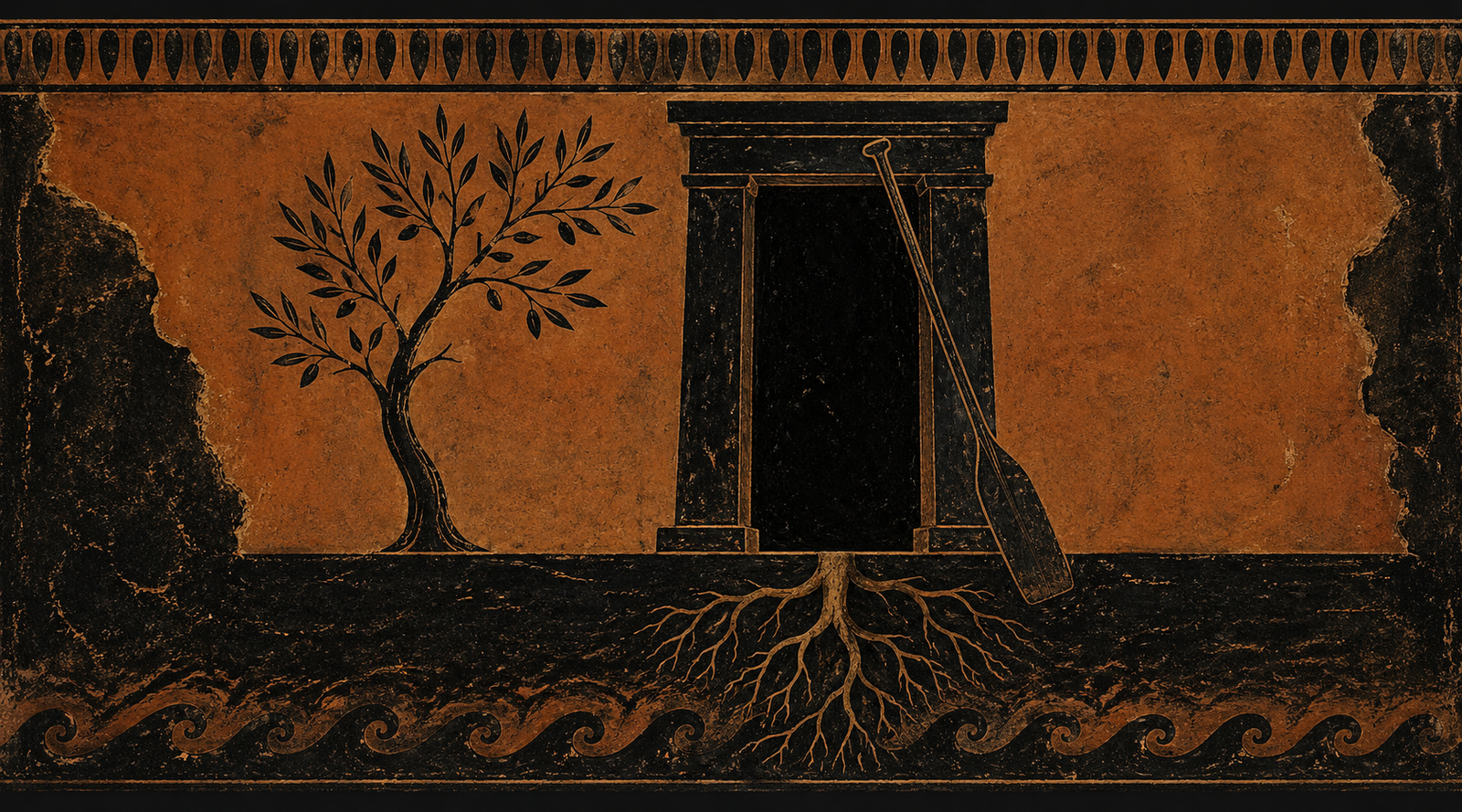

No Man Comes Home XII — The Long Work of Morning
No proof can make twenty years unhappen. No door opens backwards. Odysseus had come home by hiding, and now the house required him to be known
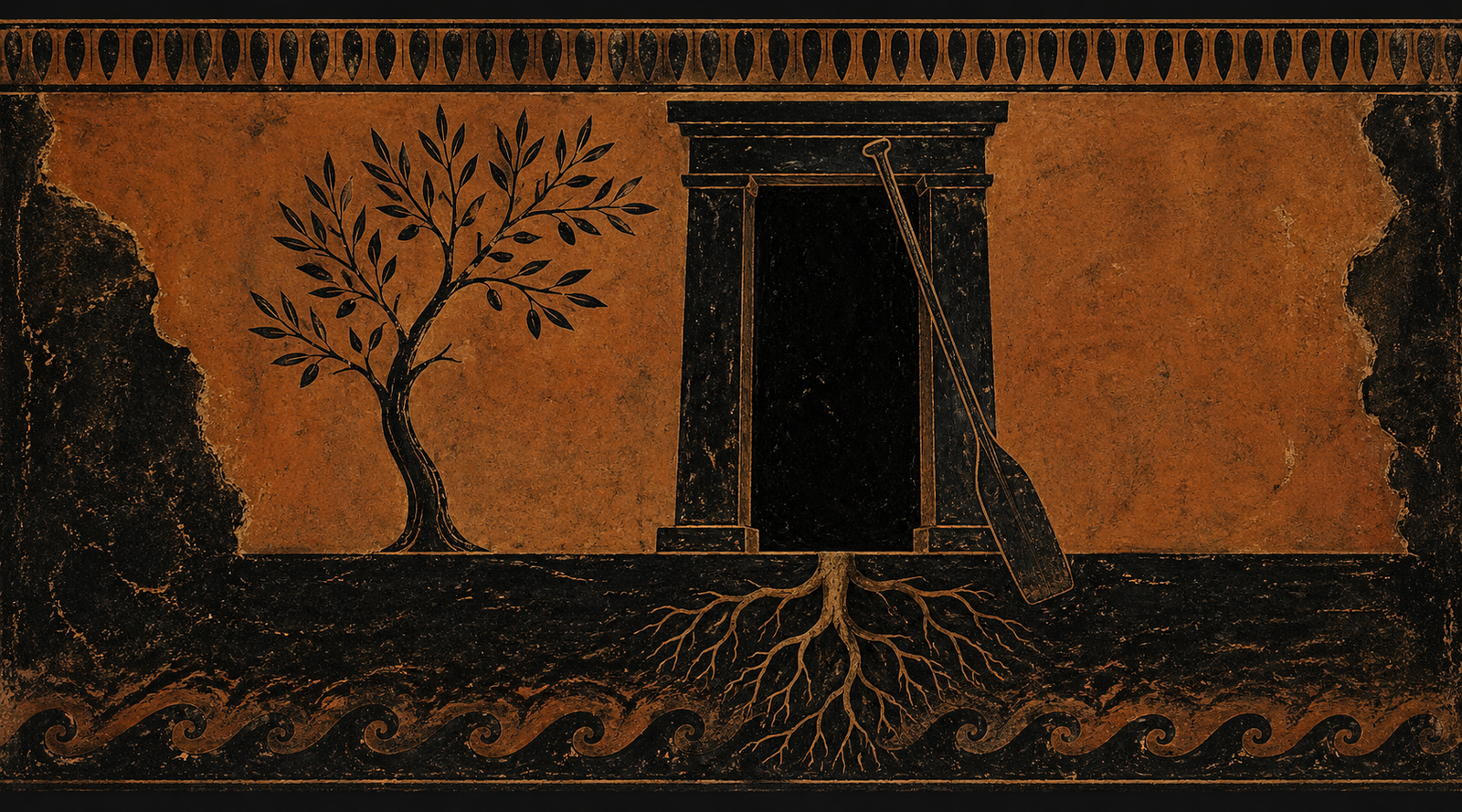

No Man Comes Home XI — The Woman Who Waited Without Waiting
The nurse had recognised. The son had recognised. The bow had recognised. Penelope would not let even the true Odysseus become another false completion.
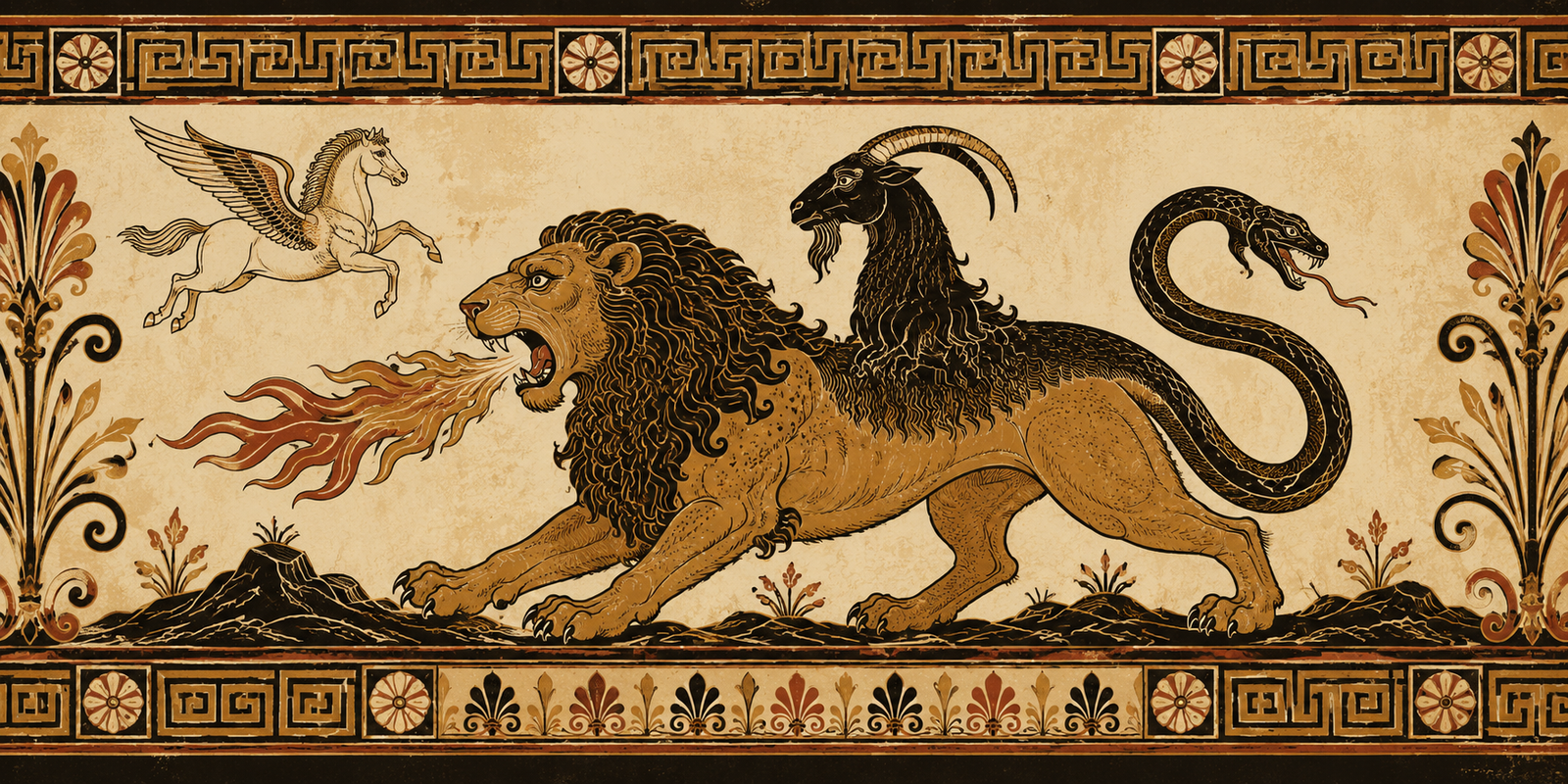

The Chimaera
A child-readable Greek myth guide to the Chimaera: lion, goat, serpent, fire, and the monster’s many joined dangers. This excerpt from The Greek World shows why Bellerophon needed Pegasus, and why the Chimaera is not merely a strange animal mixture, but a precise Greek monster-sign.
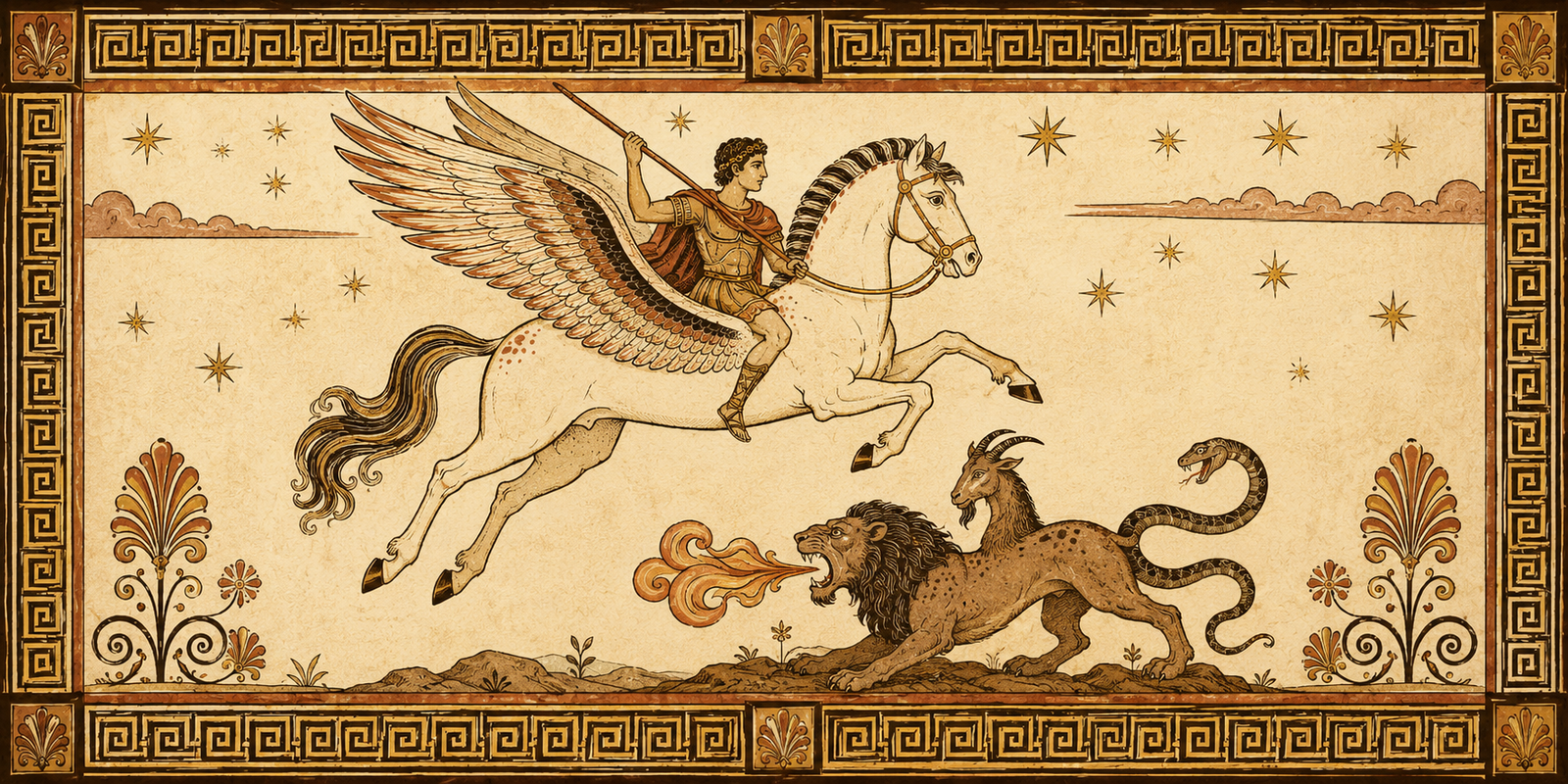

Bellerophon and Pegasus — A Greek Myth Retold for Children
A sealed message, a fire-breathing monster, a golden bridle, and the winged horse Pegasus. This Alexander Series tale retells the Greek myth of Bellerophon for serious child readers, preserving wonder, danger, courage, and the old warning hidden inside height.

The Long Return VII — The Palace of Alcinous
Odysseus reaches the palace of Alcinous, but safety is not yet home. In this seventh instalment of The Long Return, hospitality becomes a moral test: a good house receives the stranger’s body before demanding his story.

When Favour Is Mistaken for Right
A companion essay to Bellerophon — The Bridle and the Fall, exploring Pegasus, divine favour, the bridle, heroic ascent, and the danger of mistaking help for permanent right. From The Hospitable Dark, this essay asks why Bellerophon’s tragedy is not false greatness exposed, but real help wrongly remembered.
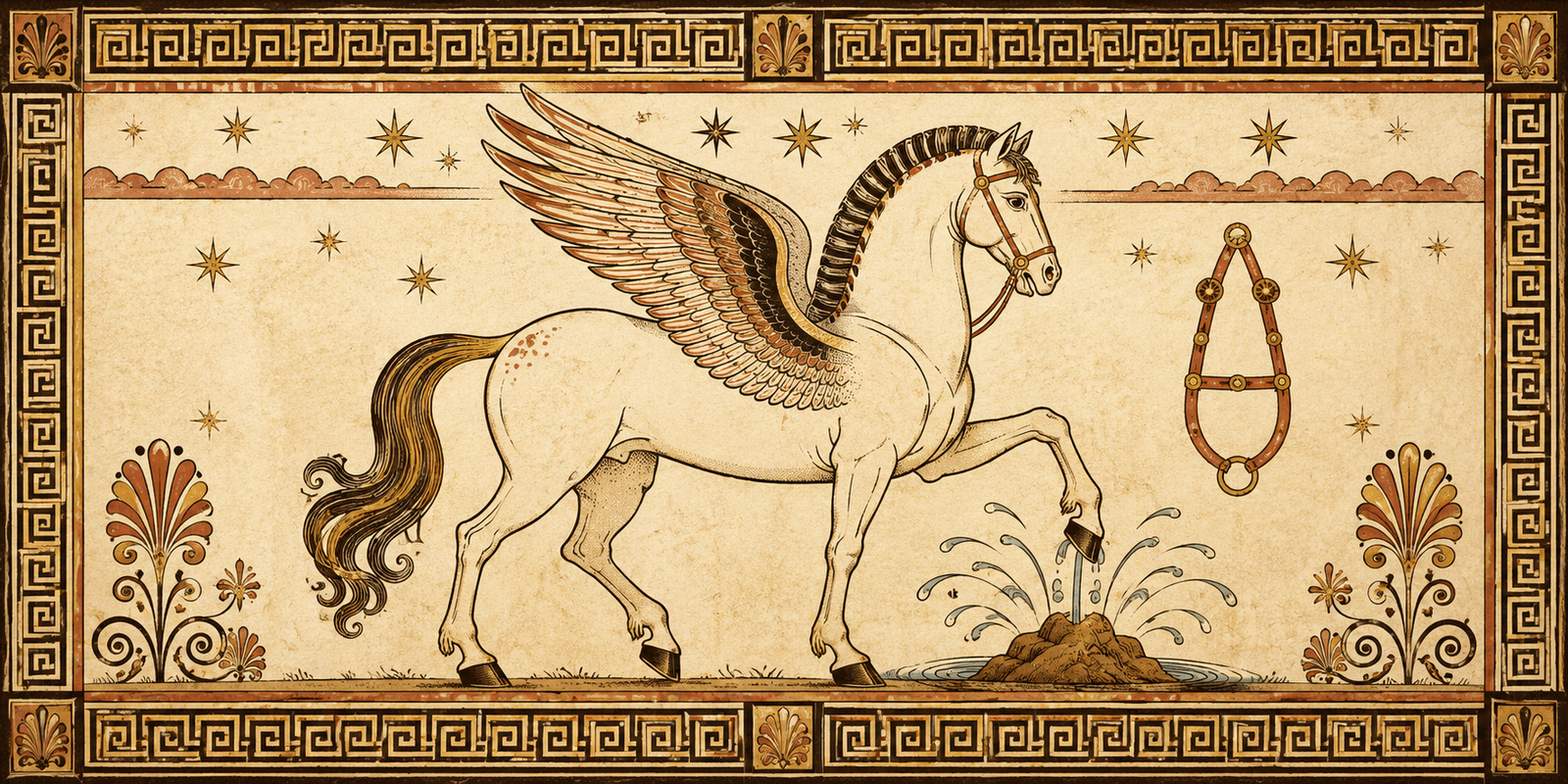

Pegasus
Before Bellerophon takes the bridle, a child should know that Pegasus is not a pet, not a cloud, and not a harmless fantasy creature. This Greek World entry introduces the winged horse of Greek myth as wonder with hooves, wings, danger, and rules.

Bellerophon — The Bridle and the Fall
A literary Greek myth retelling of Bellerophon, Pegasus, and the divine bridle: a tale of heroic ascent, misremembered grace, and the moment a true gift becomes proof in the wrong hands. From The Hospitable Dark, where old stories are retold in a warm, grave voice.
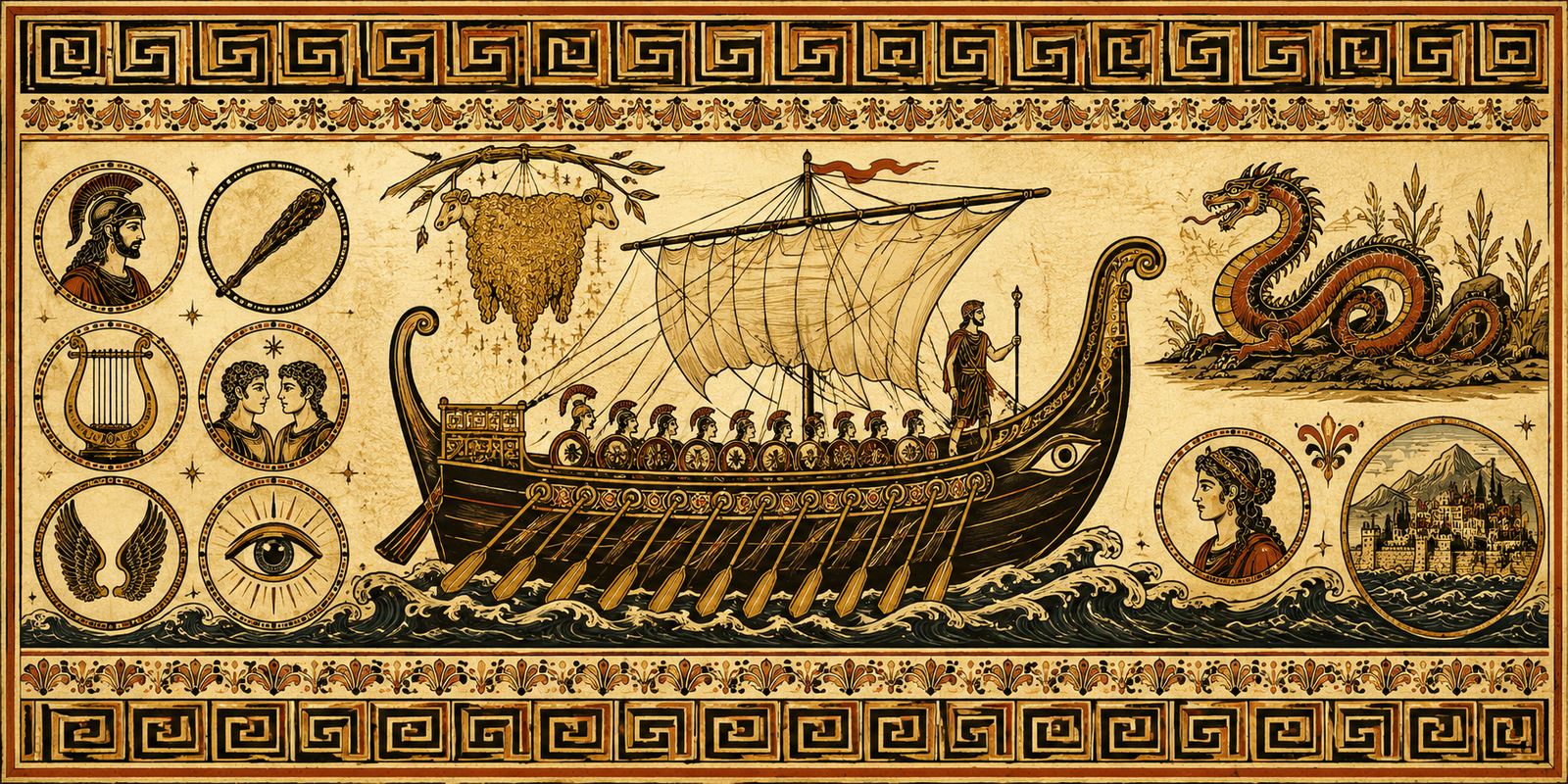

The Argonauts
A child-readable Greek myth guide to the Argonauts: Jason’s ship, the Argo, the heroes aboard her, the Golden Fleece, Colchis, the dragon, and the great voyage that made one hero part of a larger world.

The Stranger, the Girl, and the Law of Mercy
A reader’s guide to Nausicaa, Odysseus, and the law of mercy in Homer’s Odyssey. Before Odysseus can be recognised, he must first be received: clothed, fed, washed, and treated as human before his name has become safe or useful.
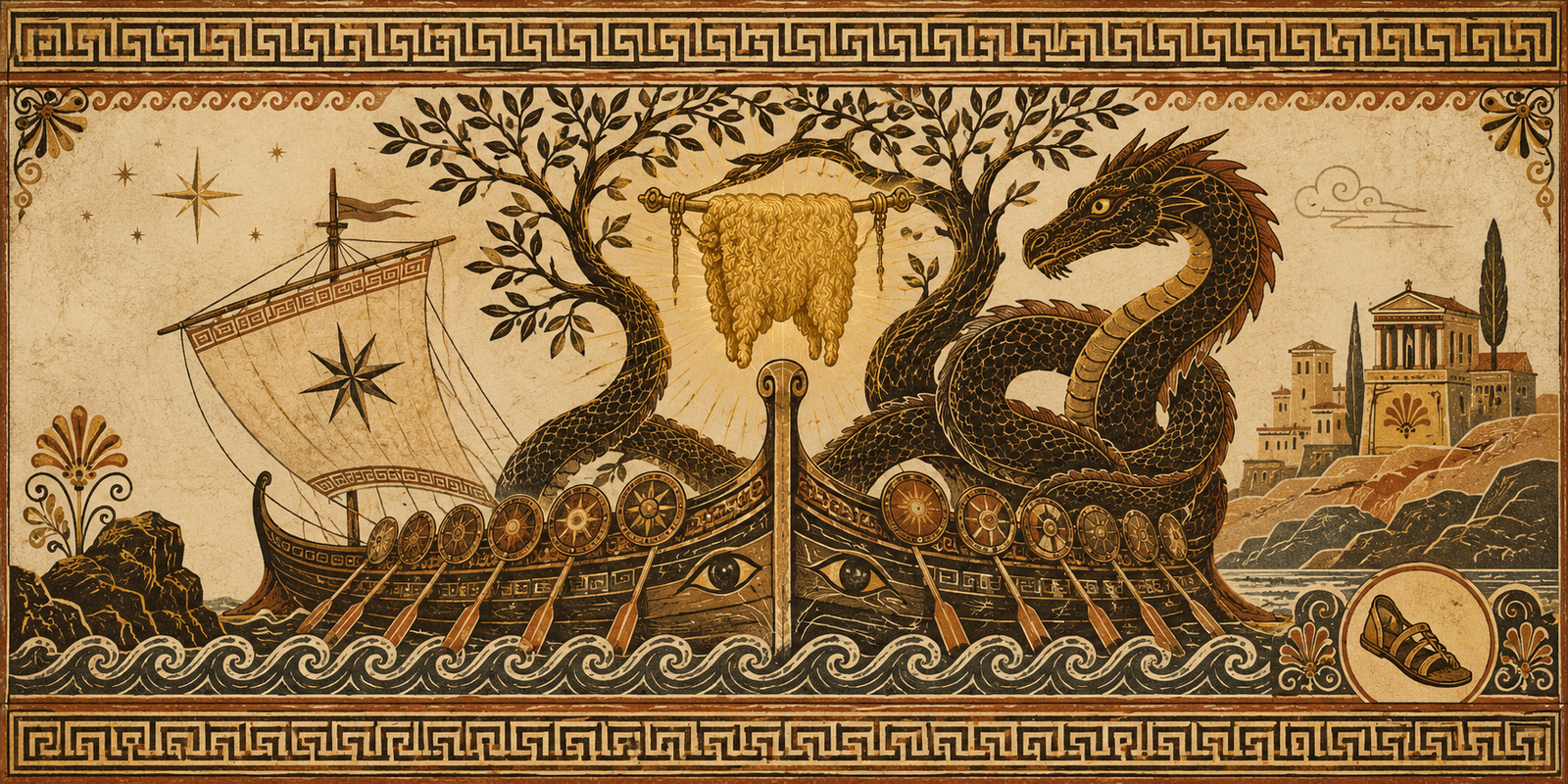

Jason and the Golden Fleece — A Greek Myth Retold for Children
A serious children’s Greek myth retelling of Jason, the Argo, Medea, the sleepless dragon, and the quest for the Golden Fleece. This excerpt opens the tale at the river, where one lost sandal becomes prophecy, danger, and the beginning of a voyage no hero can complete alone.
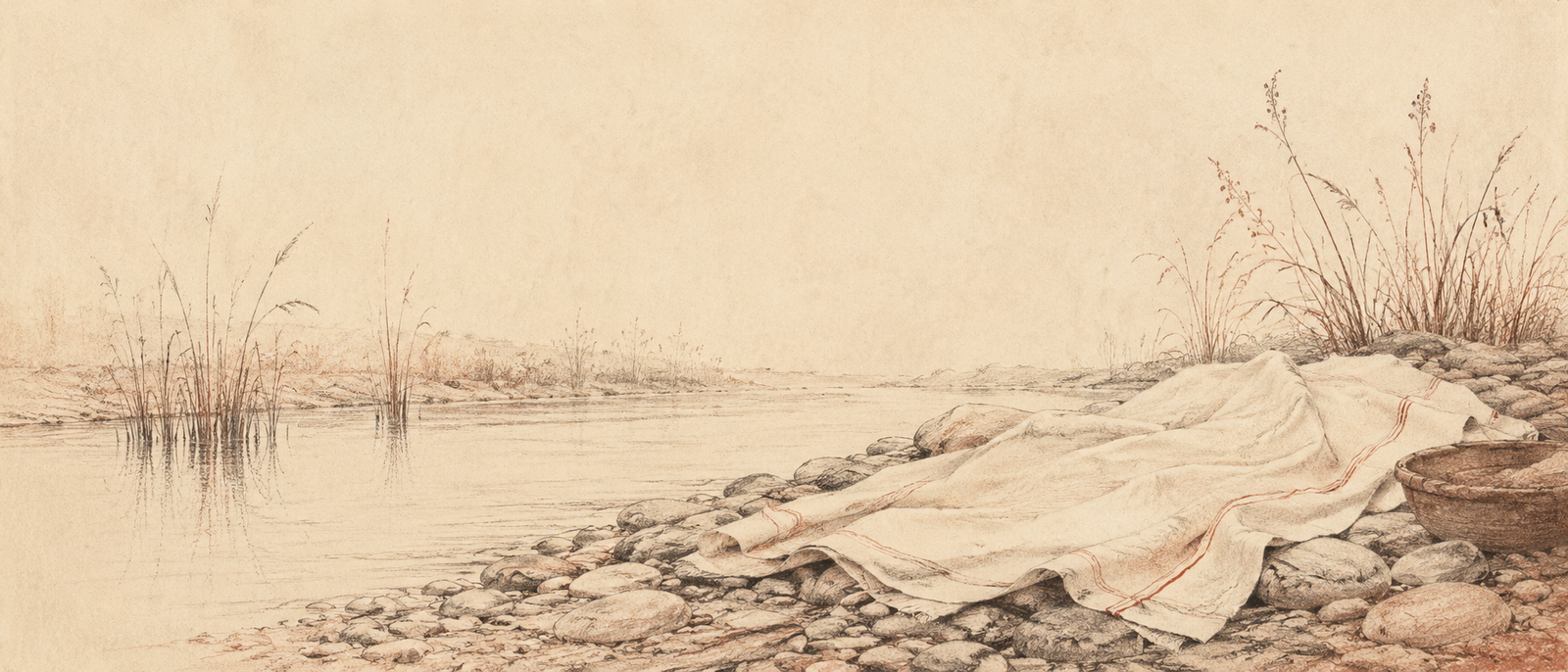

The Long Return VI — Nausicaa at the River
A literary retelling of Odyssey Book VI, where Nausicaa meets Odysseus at the river after the storm. Before the stranger has a name, rank, proof, or story, he has need — and hospitality begins there. A grave, intimate instalment from The Long Return, published at The Hospitable Dark.
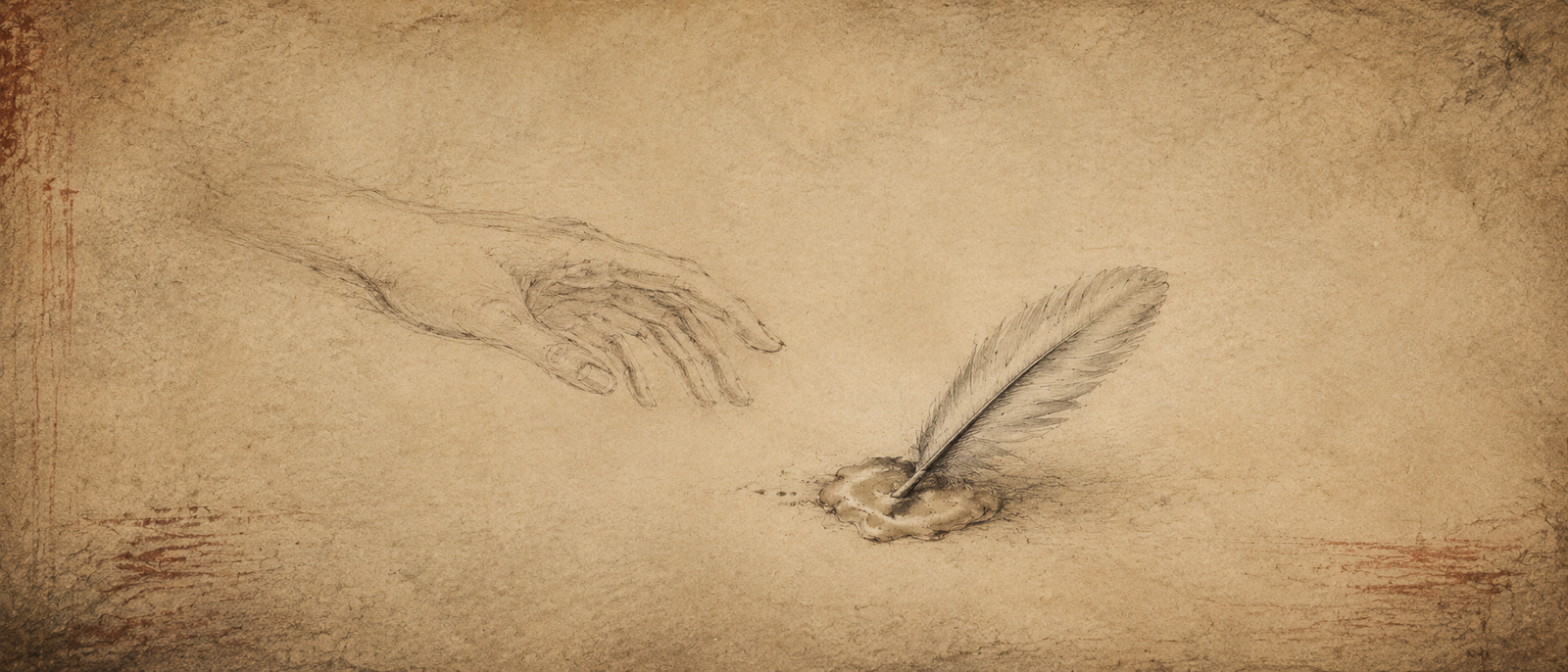

The Limit of the Father’s Hand
A companion myth essay on Icarus and Daedalus, asking why the famous story is not simply a warning against ambition. Beneath the flight and fall lies a more painful truth: a father may make freedom, give warning, and still discover the limit of his hand.
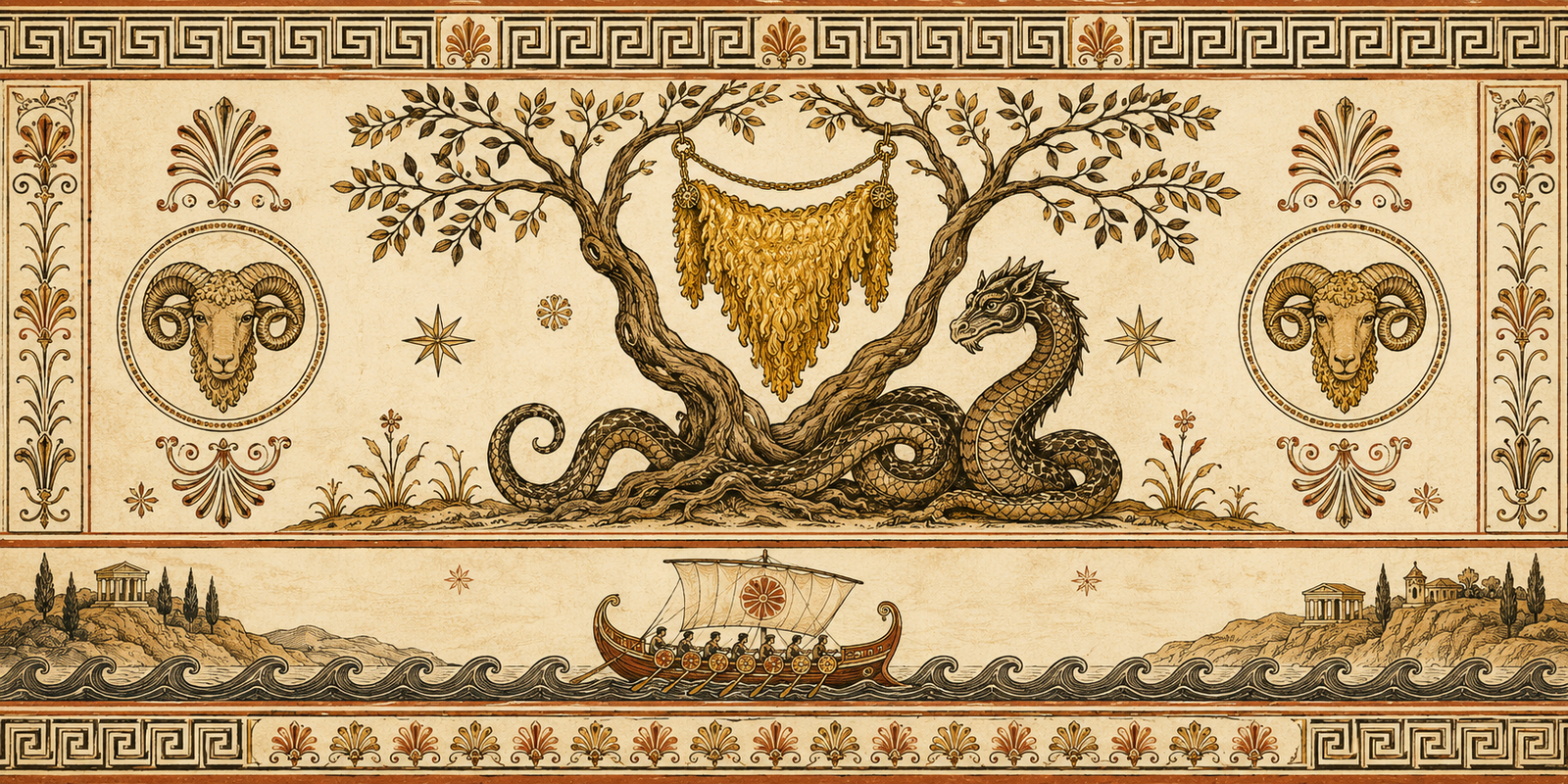

The Golden Fleece — The Bright Object That Begins Jason’s Quest
Before Jason sails for Colchis, there is the Golden Fleece: the bright remainder of an older rescue, kept in a far country, guarded by a dragon, and powerful enough to call a ship across the sea.
This excerpt from The Alexander Series: The Greek World introduces young readers to the golden ram, Phrixus and Helle, Colchis, the sacred tree, and the mythic object at the centre of Jason’s quest.
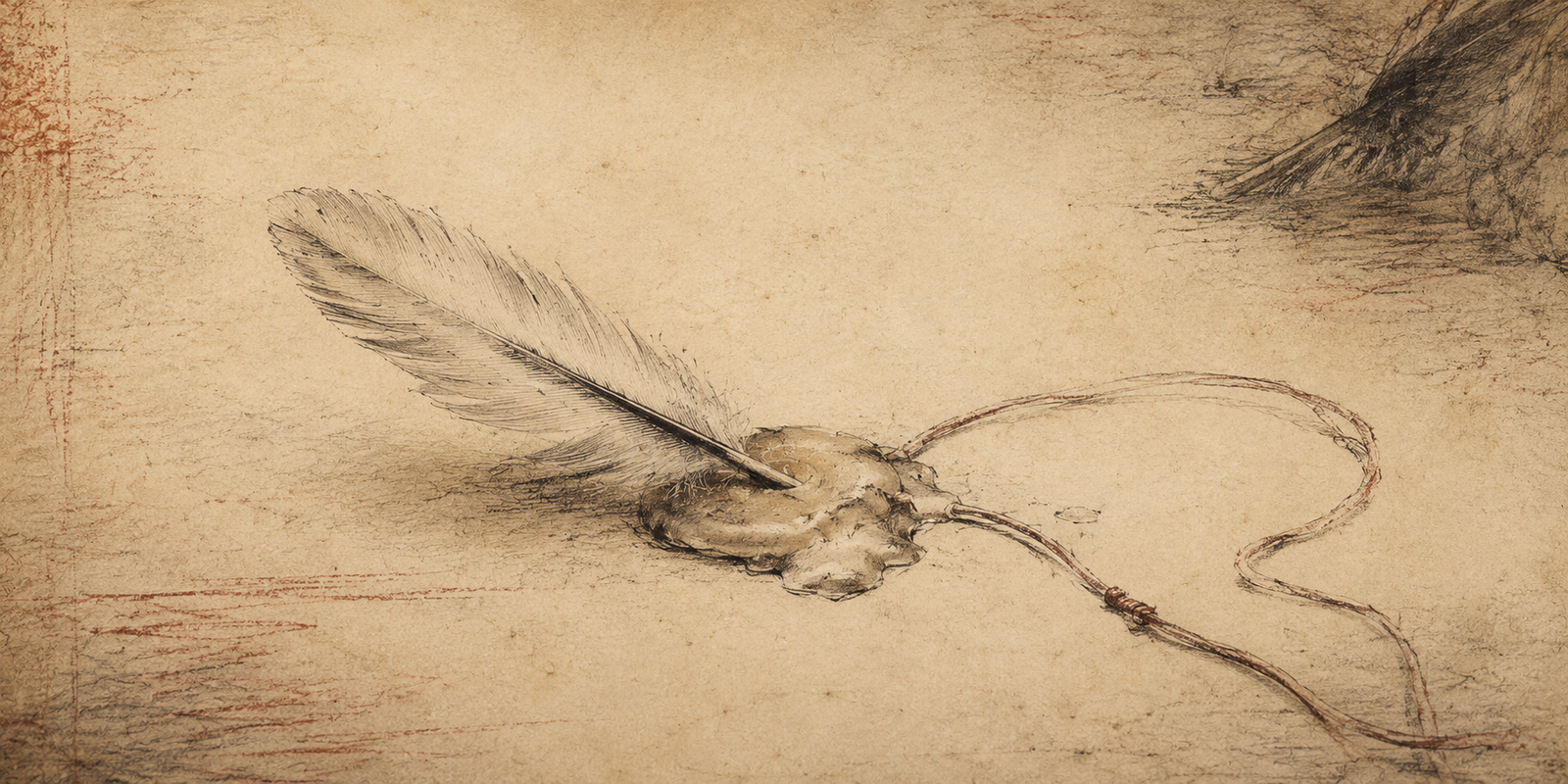

Daedalus and Icarus — The Wax Beneath the Sun
A warm, grave Greek myth retelling of Daedalus and Icarus, beginning not in the sky but in the lamplit room where a father prepares wings from feathers and wax while his child watches too closely. A tale of craft, captivity, warning, flight, and the limit of paternal care.
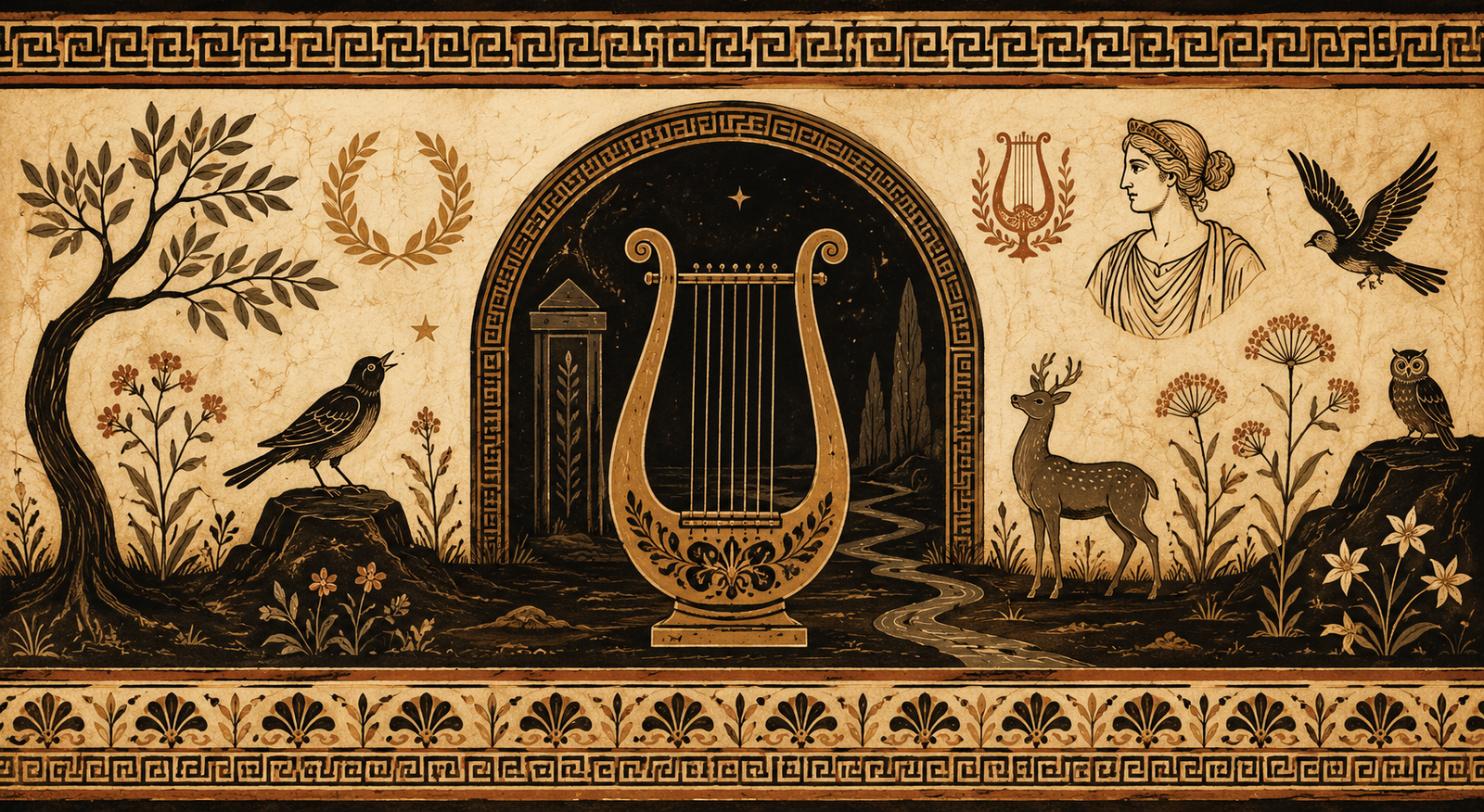

Orpheus’ Lyre — The Song That Made the Dark Listen
A child-readable Greek myth guide to Orpheus’ lyre: the small instrument that carried song, grief, memory, Apollo, the Muses, and love down to the gates of the Underworld. This excerpt opens the question of what kind of power song has in Greek myth — and where even that power reaches its limit.
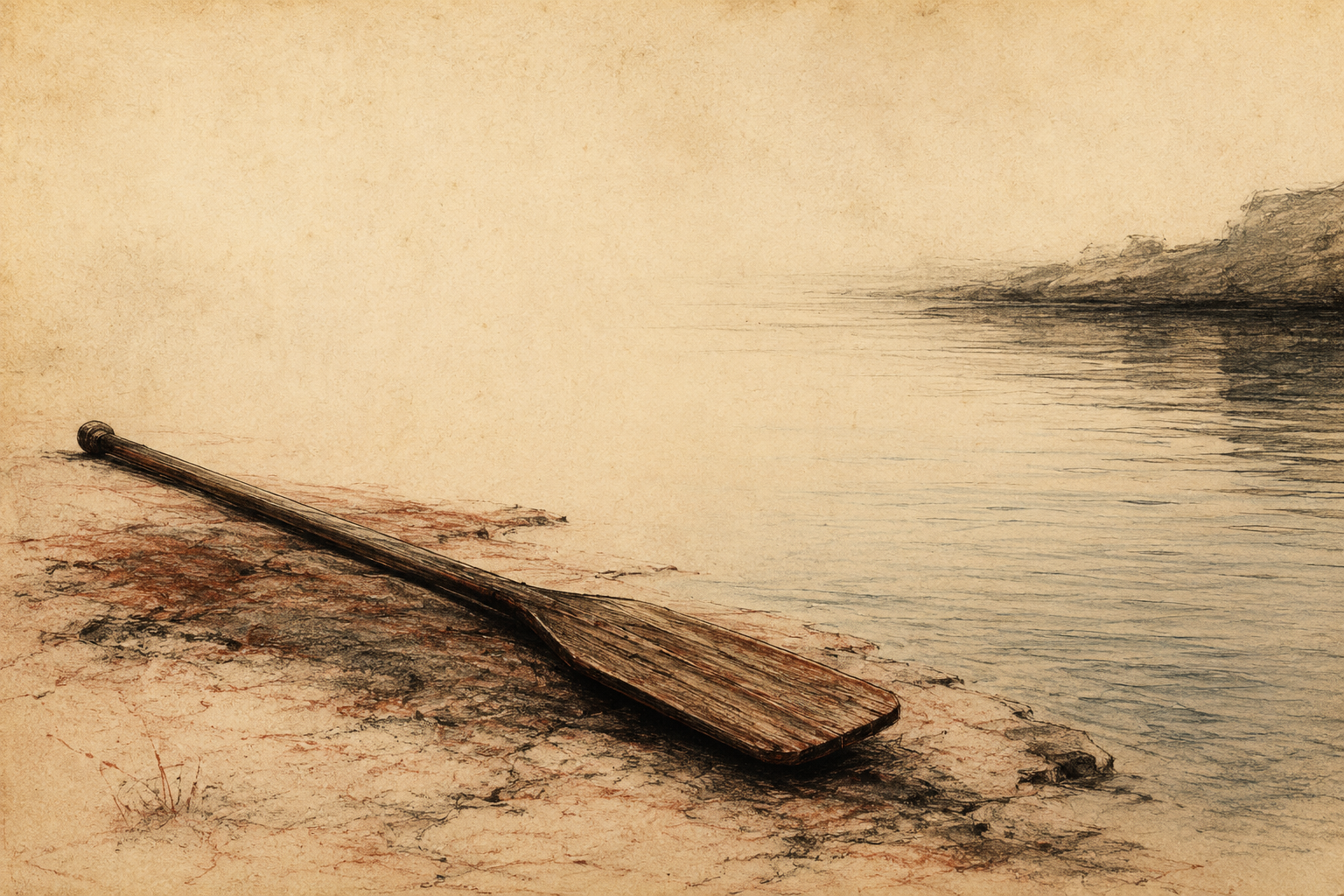

Why Calypso Cannot Be Home
A Reader’s Guide to Calypso, Odysseus, immortality, exile, and the mortal meaning of home. This essay asks why safety, beauty, and endless life cannot satisfy the longing at the heart of Homer’s Odyssey — because home is not merely where the body is preserved, but where a life remains answerable.
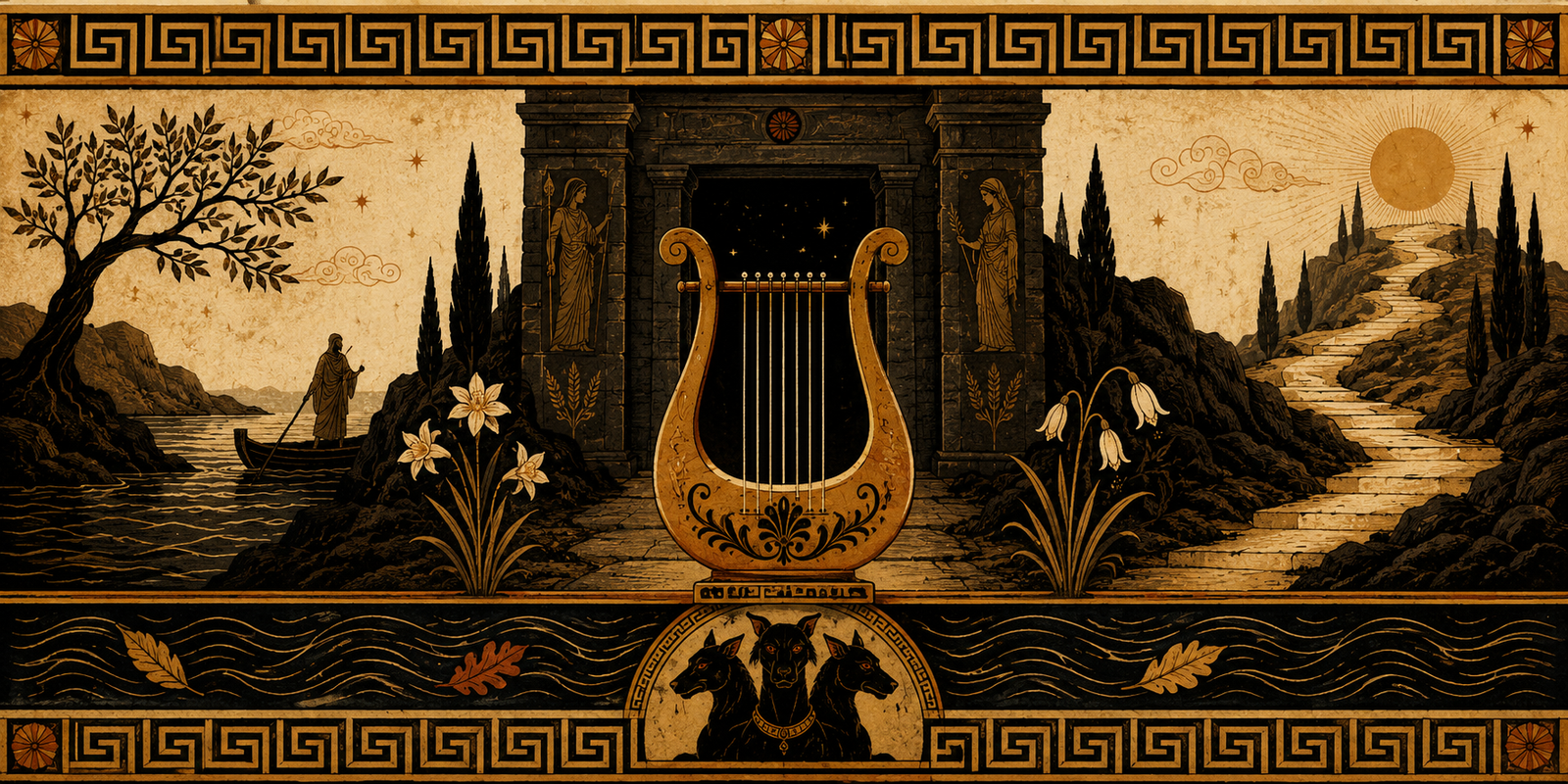

Orpheus and the Underworld — A Greek Myth Retold for Children
A serious children’s Greek myth retelling of Orpheus and Eurydice: music, love, the lyre, and the road into the Underworld. This excerpt opens the tale before Orpheus begins his descent, preserving the wonder, warmth, and danger of The Alexander Series without giving away the full journey below.
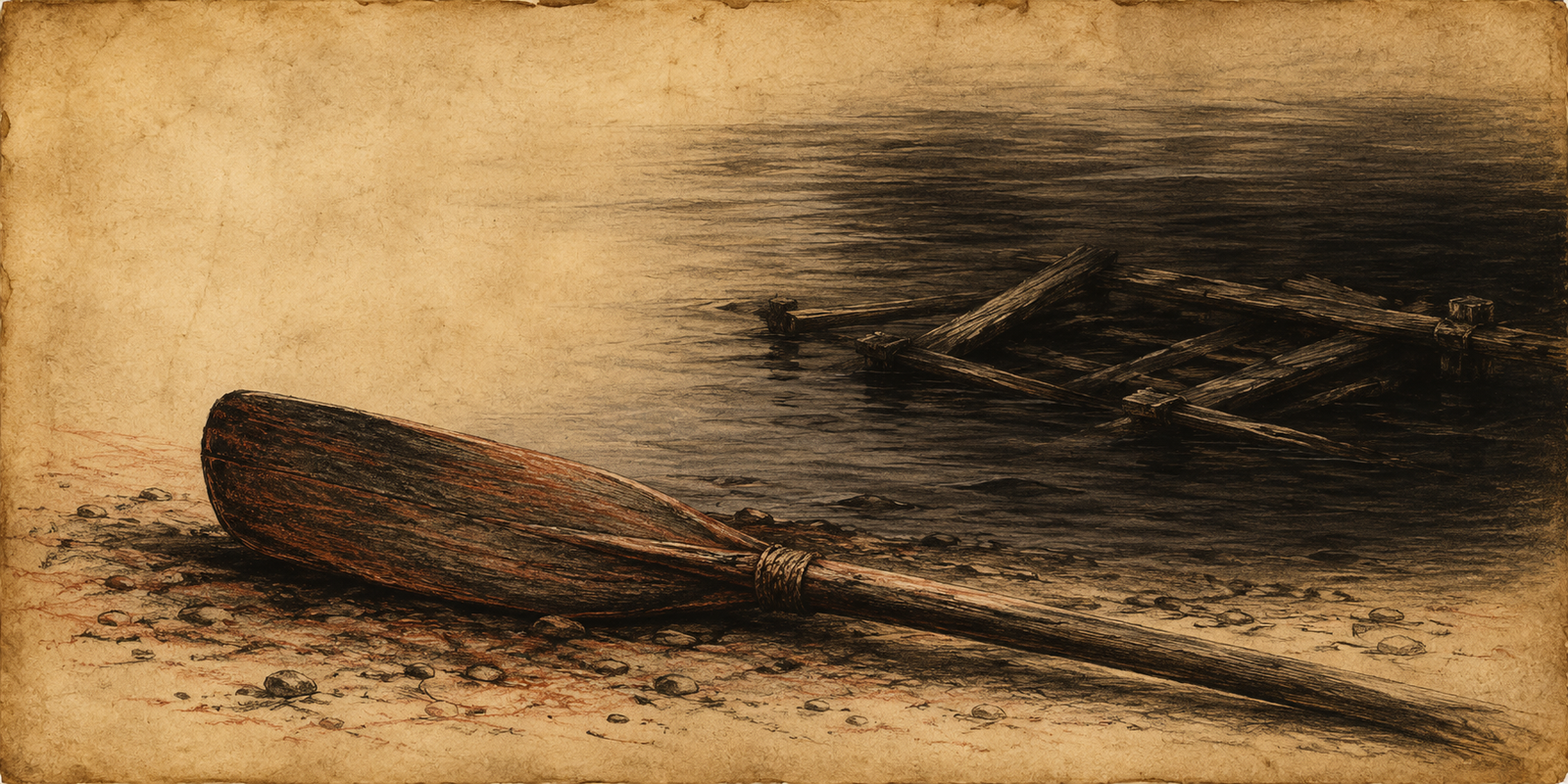

The Long Return V — From the Goddess to the Storm
In this fifth instalment of The Long Return, Odysseus leaves Calypso’s island and chooses the mortal danger of the sea over divine safety. A grave retelling of Odyssey Book V, where immortality is refused, a raft is built, and return begins again through storm.
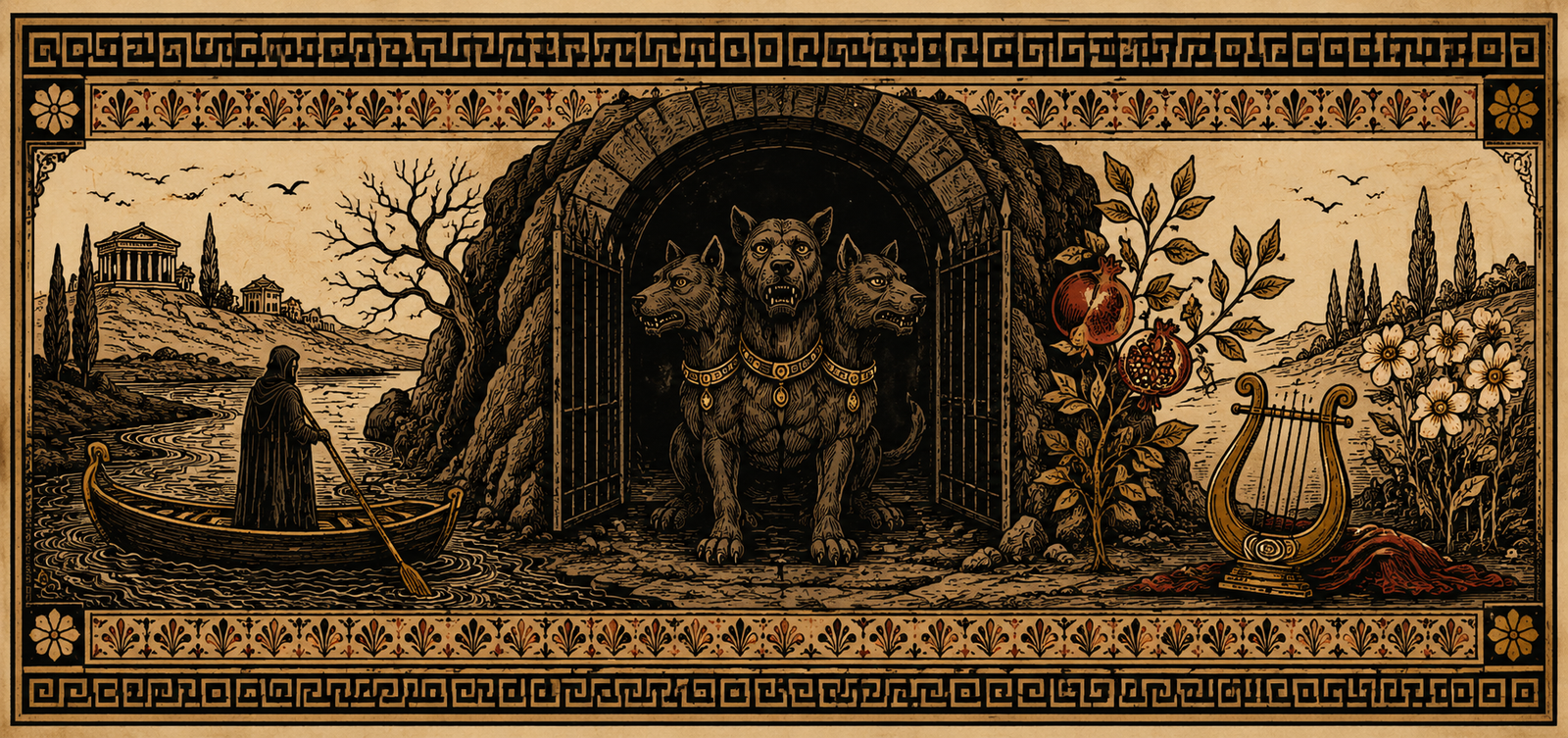

The Underworld — A Greek Myth Guide for Children
Before Orpheus descends, a child should know that the Greek Underworld is not simply a dark place. It is a kingdom beneath the earth: ruled by Hades and Persephone, guarded by Cerberus, crossed by rivers, and almost impossible to leave. A Greek myth guide from The Alexander Series.
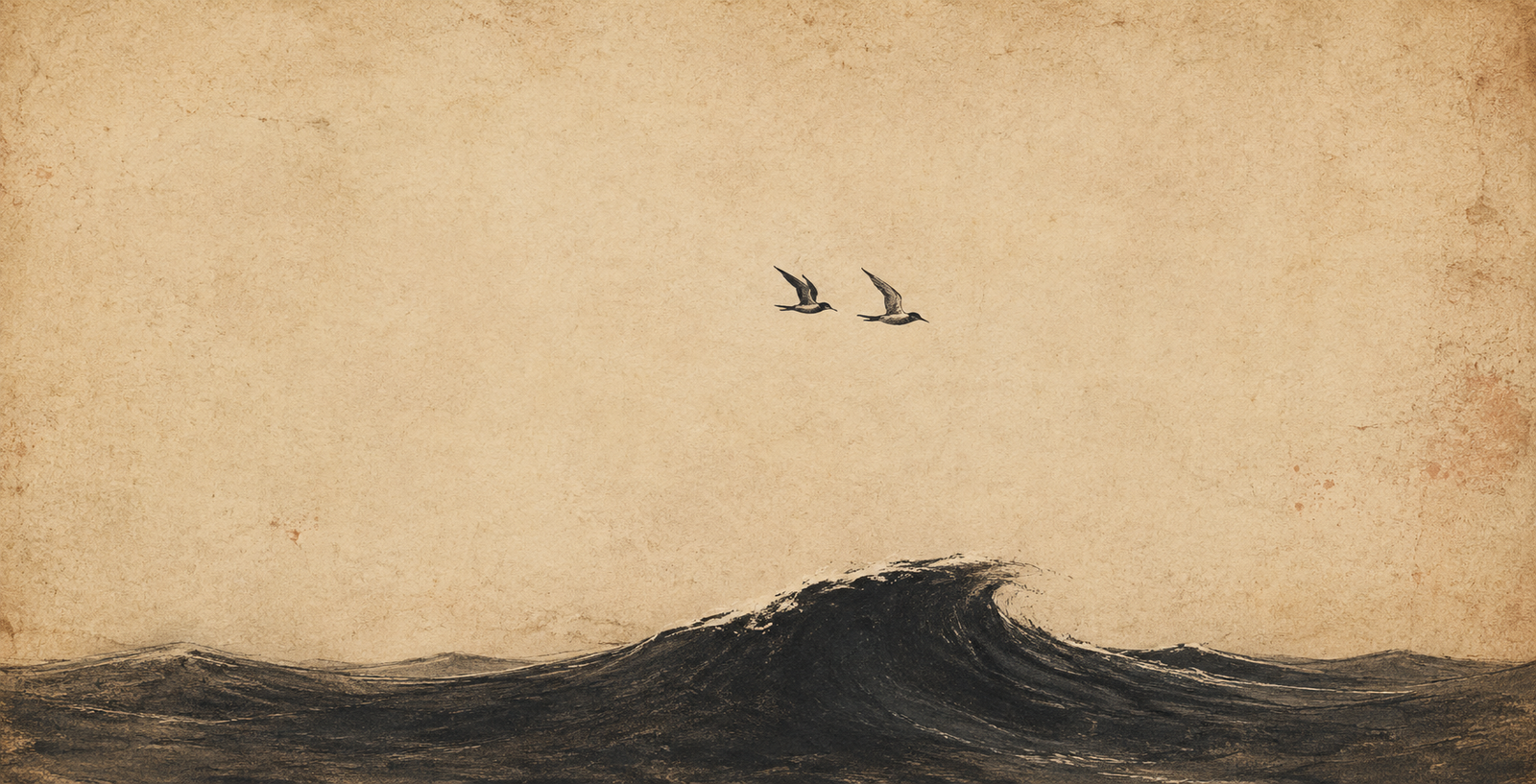

Alcyone and Ceyx — The Birds After the Storm
A warm, grave retelling of Alcyone and Ceyx: a Greek myth of marriage, sea-dread, dream, mourning, and transformation, where love cannot prevent loss, but grief is given wings.
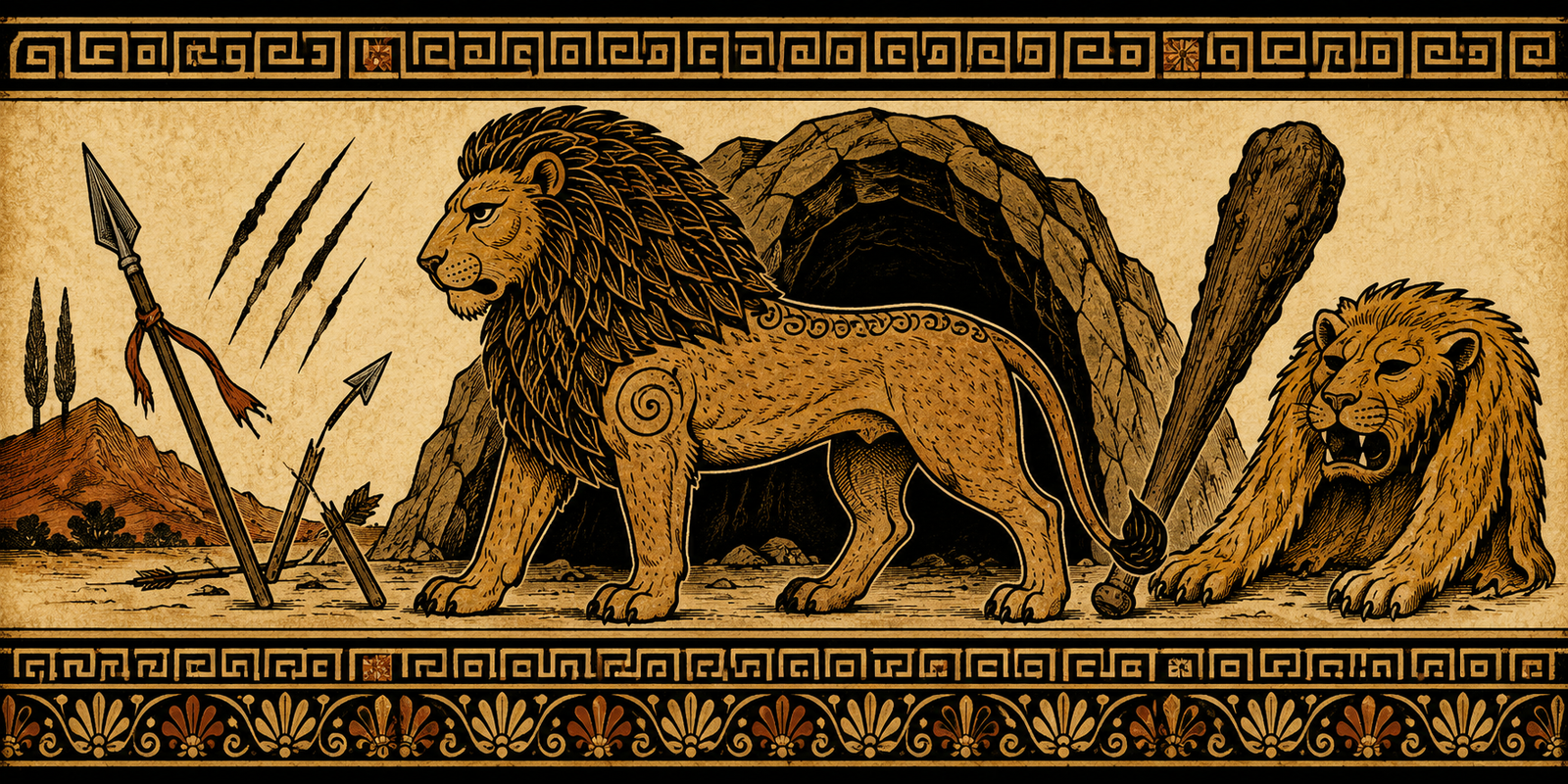

The Nemean Lion
A child-readable Greek World guide to the Nemean Lion: the monster no weapon could pierce, the cave where Heracles had to come close, and the lion skin that became his first great sign.
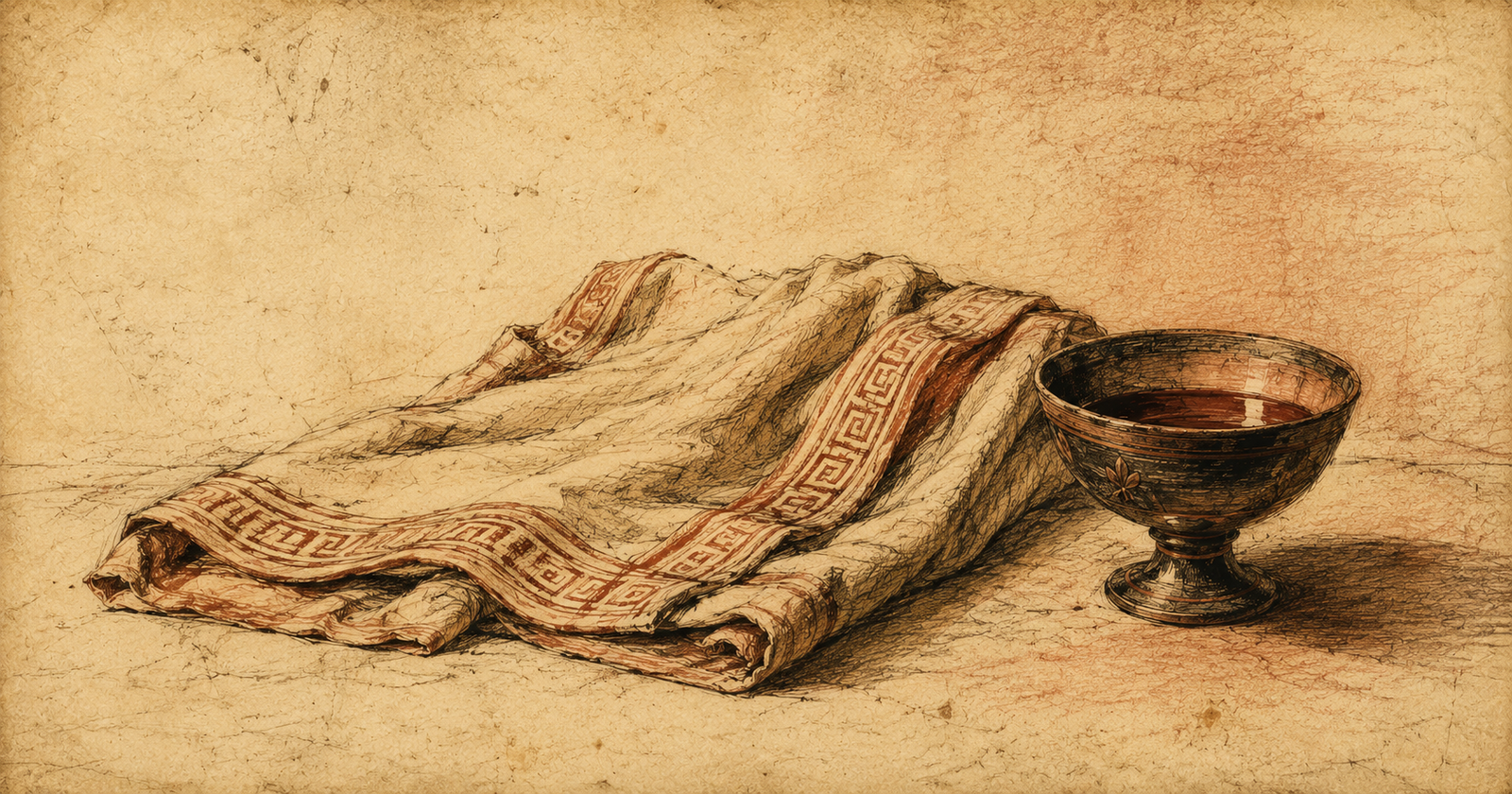

What War Leaves Behind in Beautiful Rooms
A Long Return reader’s guide to Helen, Menelaus, Telemachus, and the polished aftermath of Troy. This essay explores why Sparta’s beautiful rooms are so unsettling in Homer’s Odyssey, and how war leaves behind not only ruins, but ceremony, composure, competing memories, and grief made habitable.
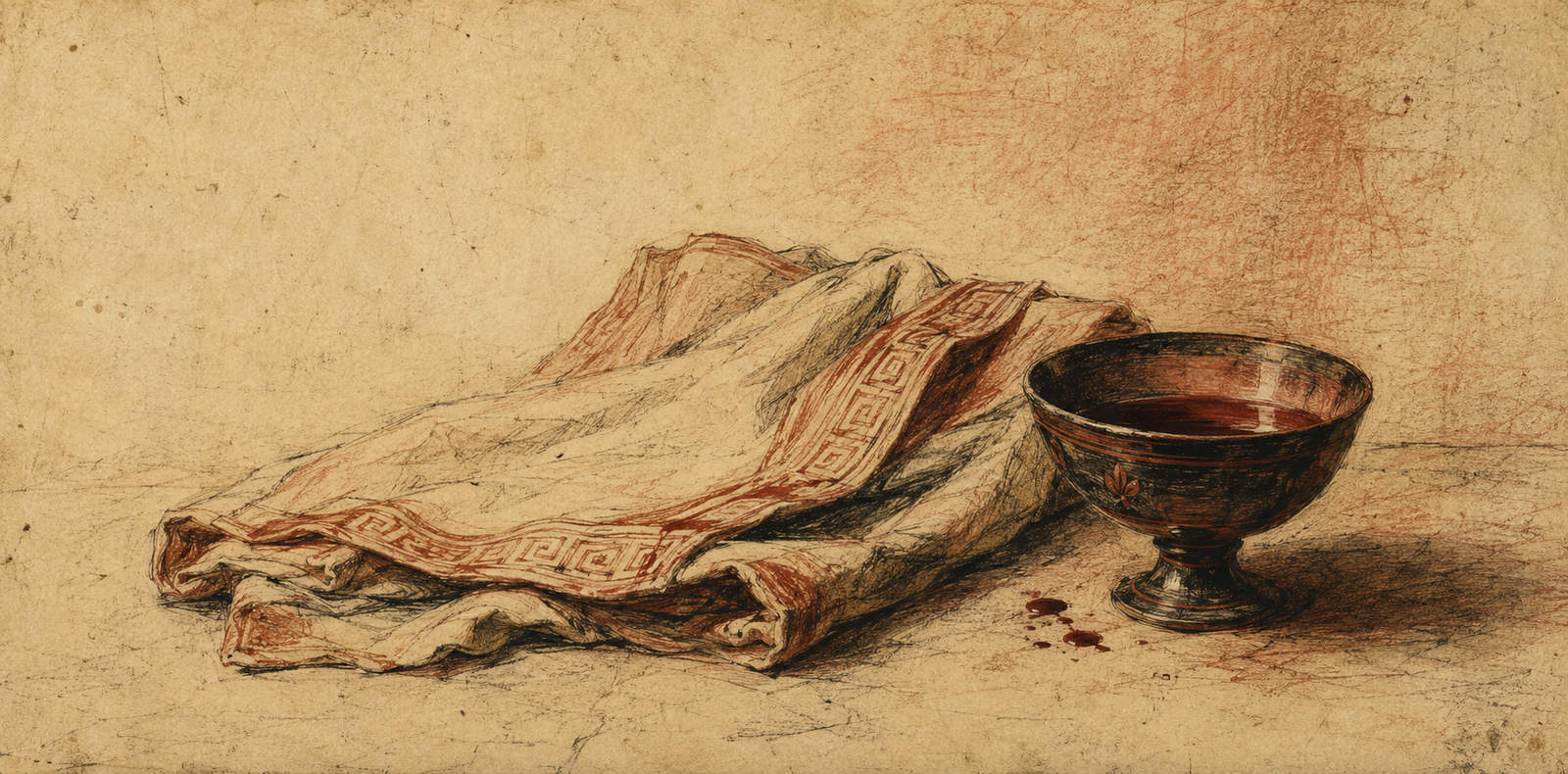

The Long Return IV — Helen, Menelaus, and the Sea-God’s Word
In this fourth instalment of The Long Return, Telemachus enters the beautiful house of Menelaus and Helen, where hospitality, grief, fame, and memory gather uneasily around the absent Odysseus. A grave Odyssey retelling about what war leaves behind, and how a son learns that a famous father becomes harder to know.
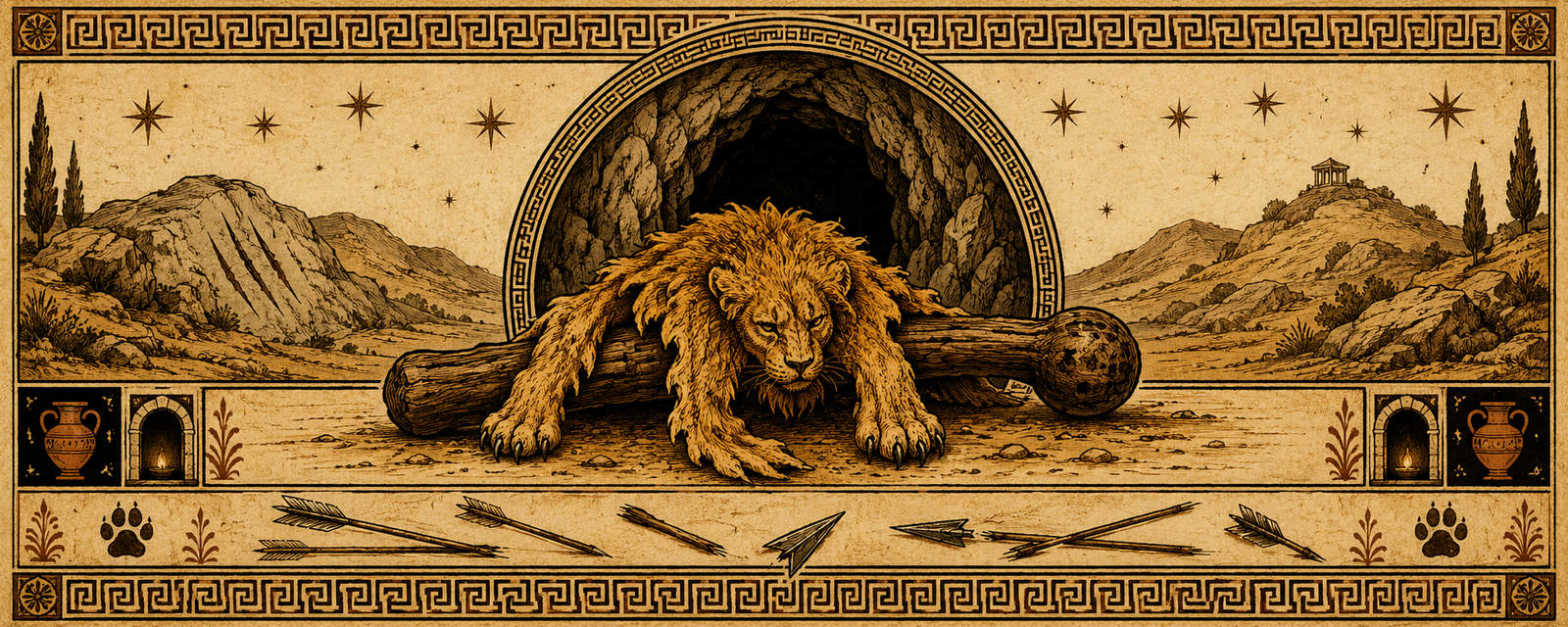

Heracles and the Lion
A serious children’s Greek myth retelling of Heracles and the Nemean Lion: a valley closing its doors before sunset, a monster no weapon can harm, and a hero who must learn what strength becomes when the cave is waiting.
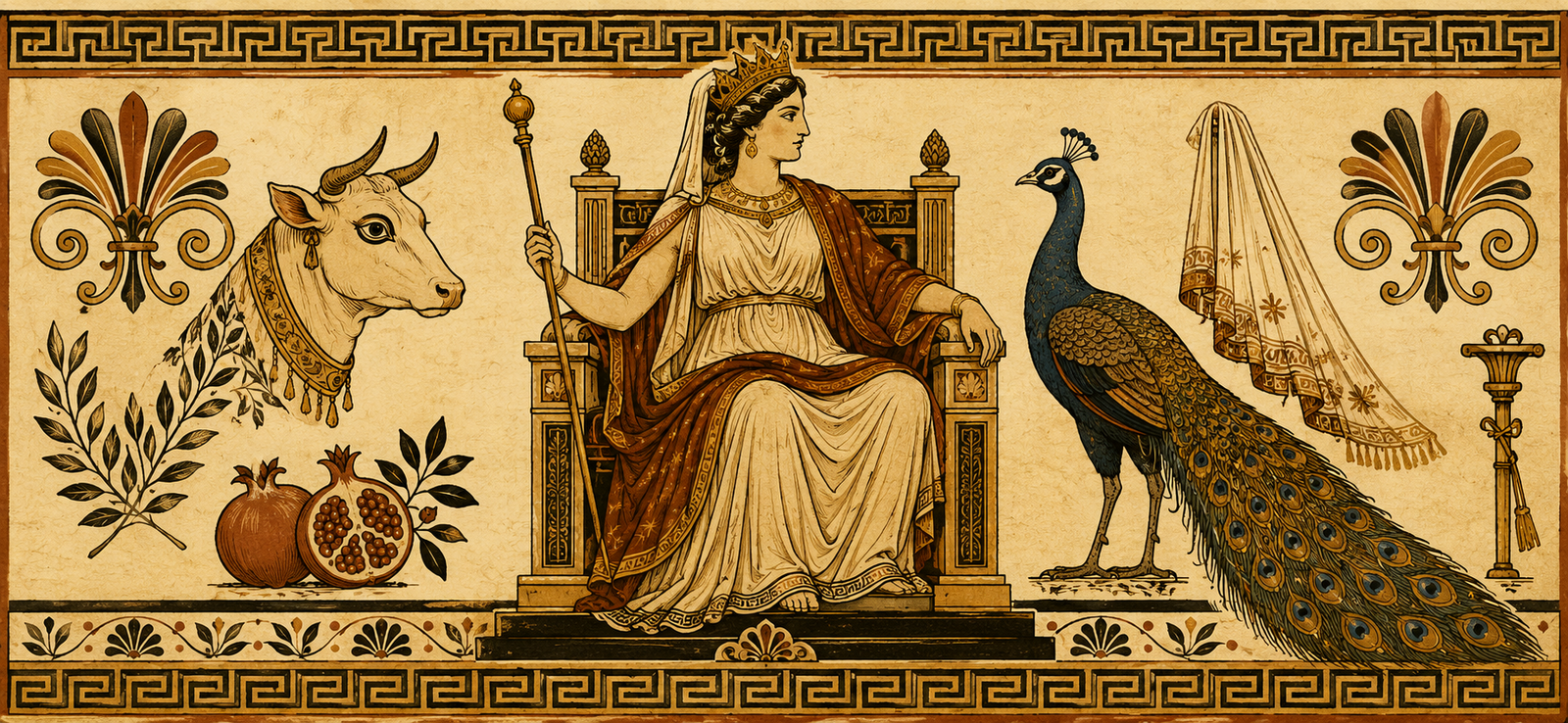

Hera — Queen of Olympus and the Pressure Behind Heracles
Before Heracles faces the lion, a child should know Hera: queen of Olympus, guardian of marriage, throne, sceptre, veil, and wounded honour. This Greek World entry introduces Hera not merely as a villain in Heracles’ story, but as the divine pressure that makes his strength matter.

The Danger of Being Proved Right
A companion essay to Phaethon — The Borrowed Sun, exploring proof, shame, paternal love, and the danger of being publicly vindicated too late. This Hospitable Dark myth essay looks beyond the simple warning against ambition and asks why Phaethon needed the sky to answer a wound.

Phaethon — The Borrowed Sun
A warm, grave retelling of the Greek myth of Phaethon, where a boy’s wounded need for proof leads him from his mother’s courtyard to the chariot of the Sun. In The Borrowed Sun, catastrophe begins not with ambition, but with doubt, shame, and a father’s love given in the wrong shape.

When Sight Becomes Trespass
A companion myth essay on Actaeon, Artemis, forbidden sight, and the terrible moment when seeing becomes trespass. When Sight Becomes Trespass asks why Actaeon’s story cannot be reduced to simple guilt or divine cruelty, and why the old myth still wounds through transformation, failed recognition, and the loss of being seen.
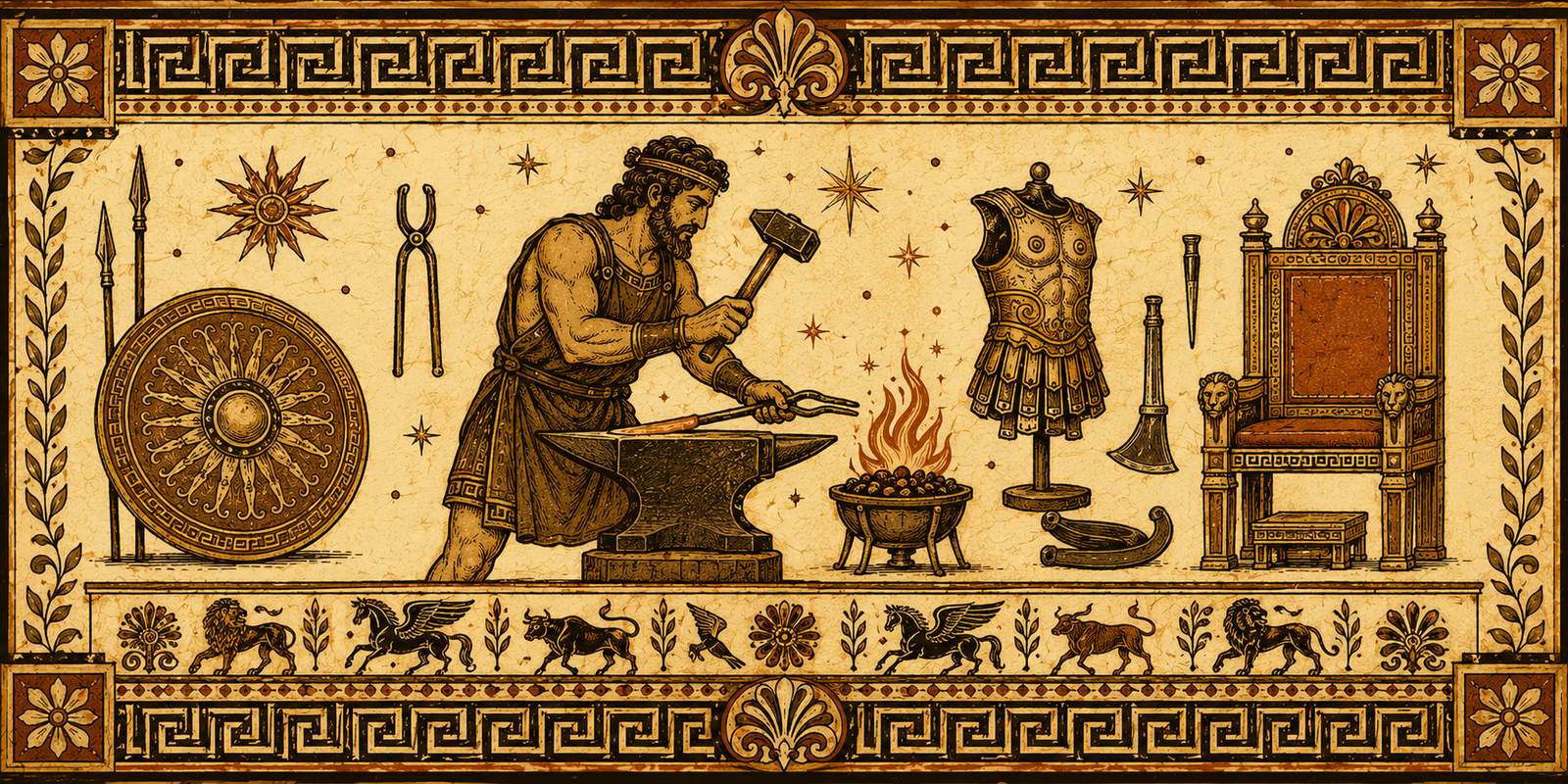

Hephaestus — The God of the Forge
After Daedalus and the Wings, The Greek World turns to Hephaestus: god of the forge, fire, metalwork, armour, traps, thrones, and impossible crafted wonders. A child-readable Greek myth guide to the divine maker whose objects can protect, shame, arm, trap, and astonish.
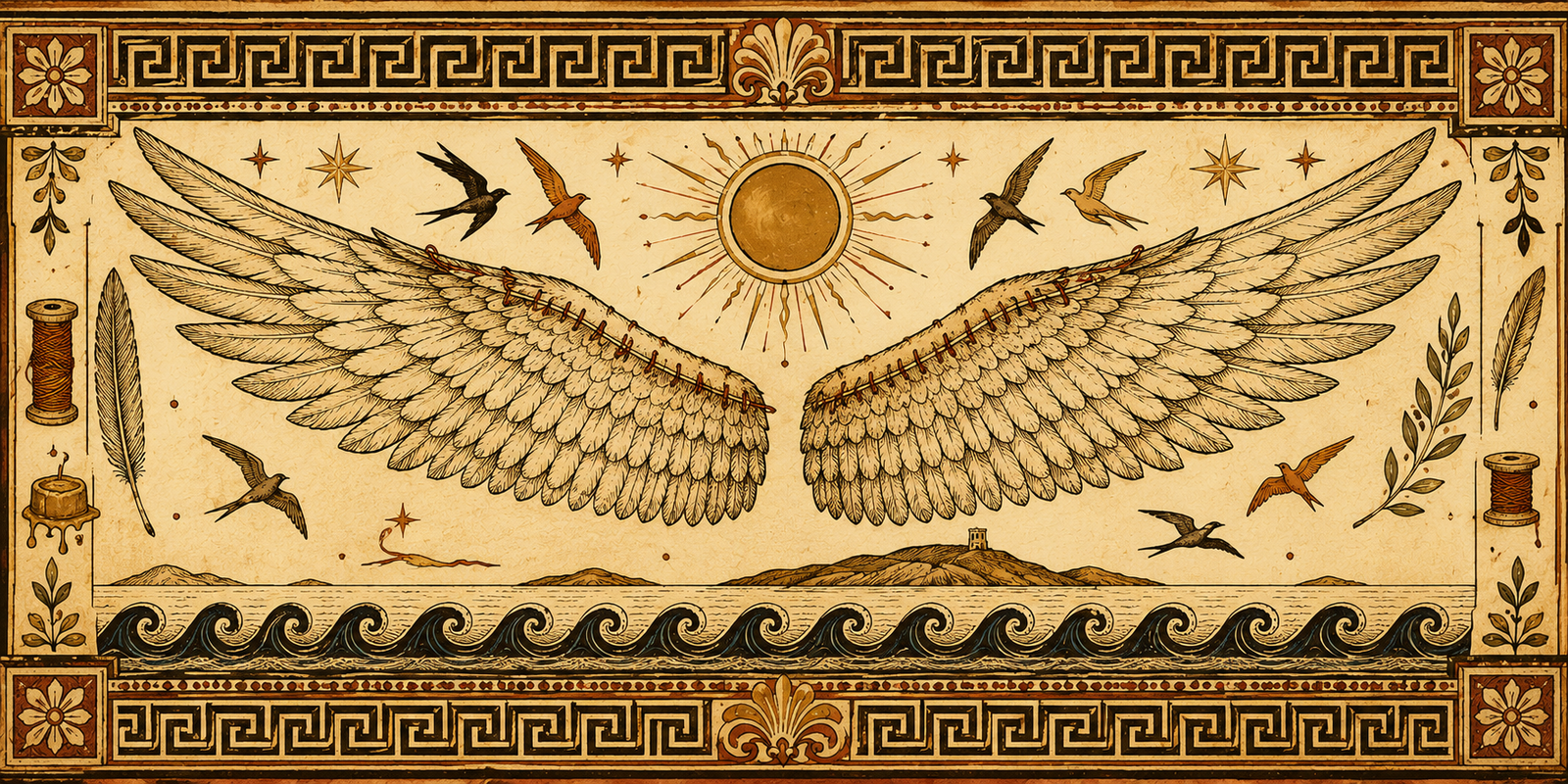

Daedalus and the Wings
A child-honouring Greek myth retelling of Daedalus and Icarus: a maker, a son, a prison with no door, and two wings stitched from feathers, wax, and hope. This Alexander Series tale preserves the wonder and sorrow of the myth without reducing it to a lesson about flying too close to the sun.
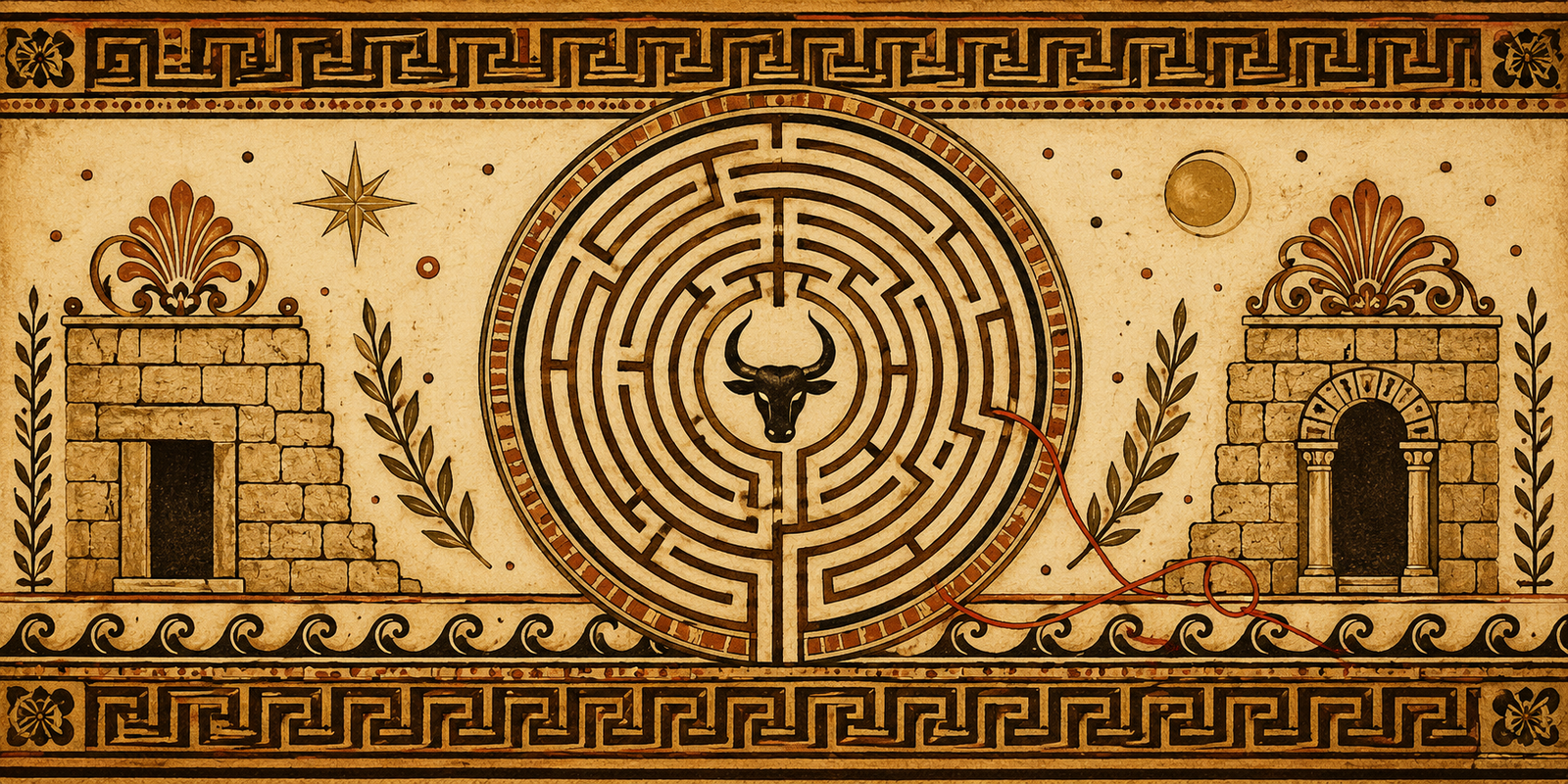

The Labyrinth
Before Daedalus made wings, he made the Labyrinth: a house of turns built to hold the Minotaur and hide the truth of Crete. This Greek World entry prepares child readers for Daedalus and the Wings by showing the maze not as a puzzle, but as one of Greek myth’s great signs of secrecy, danger, memory, and return.
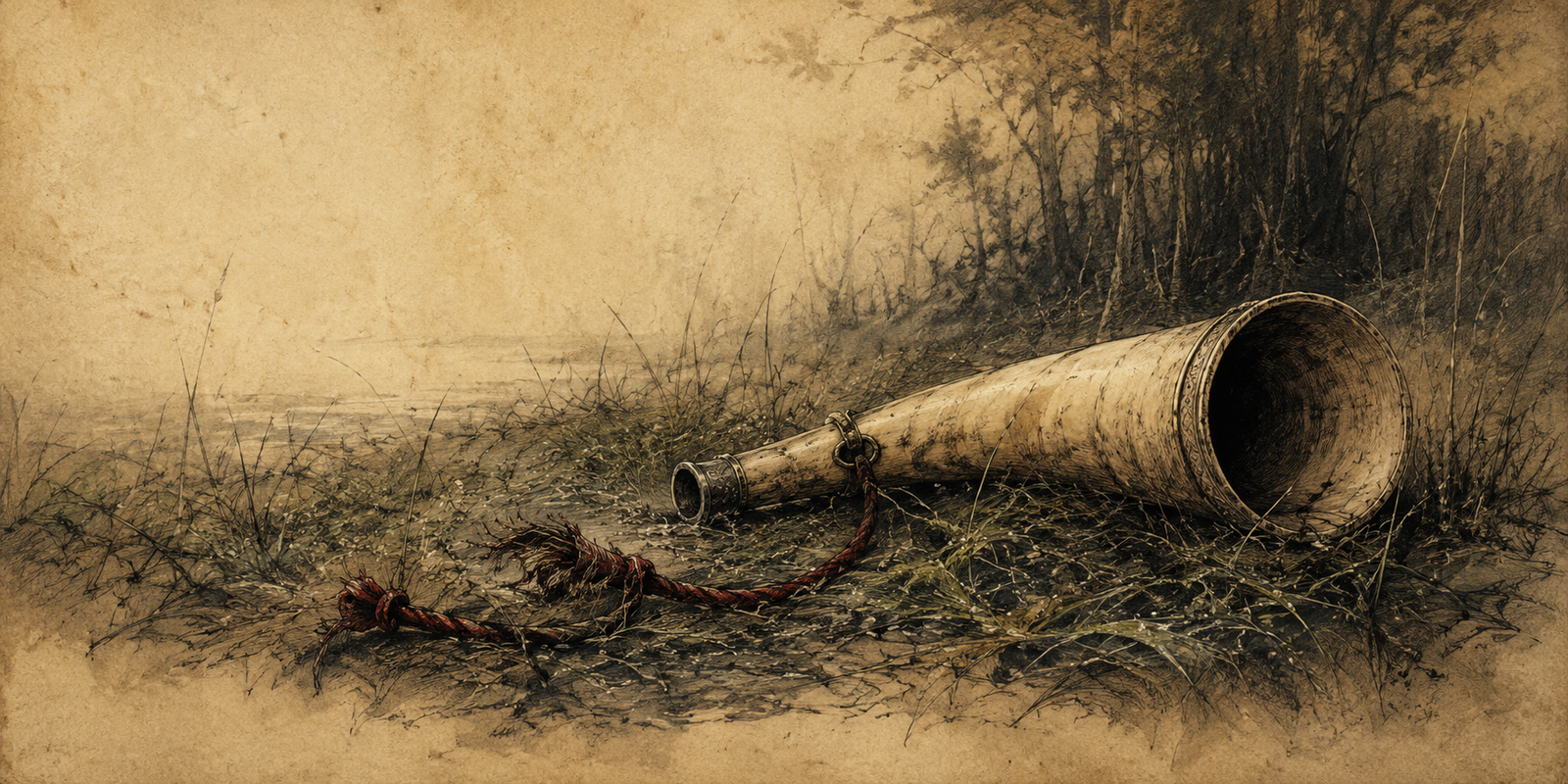

Actaeon — The Stag in the Clearing
A literary Greek myth retelling of Actaeon, the hunter who sees what was never meant for mortal eyes. In The Stag in the Clearing, The Hospitable Dark enters the forest through dogs, leather, wet grass, and dawn laughter before the old story turns towards transformation, terror, and the failure of recognition.
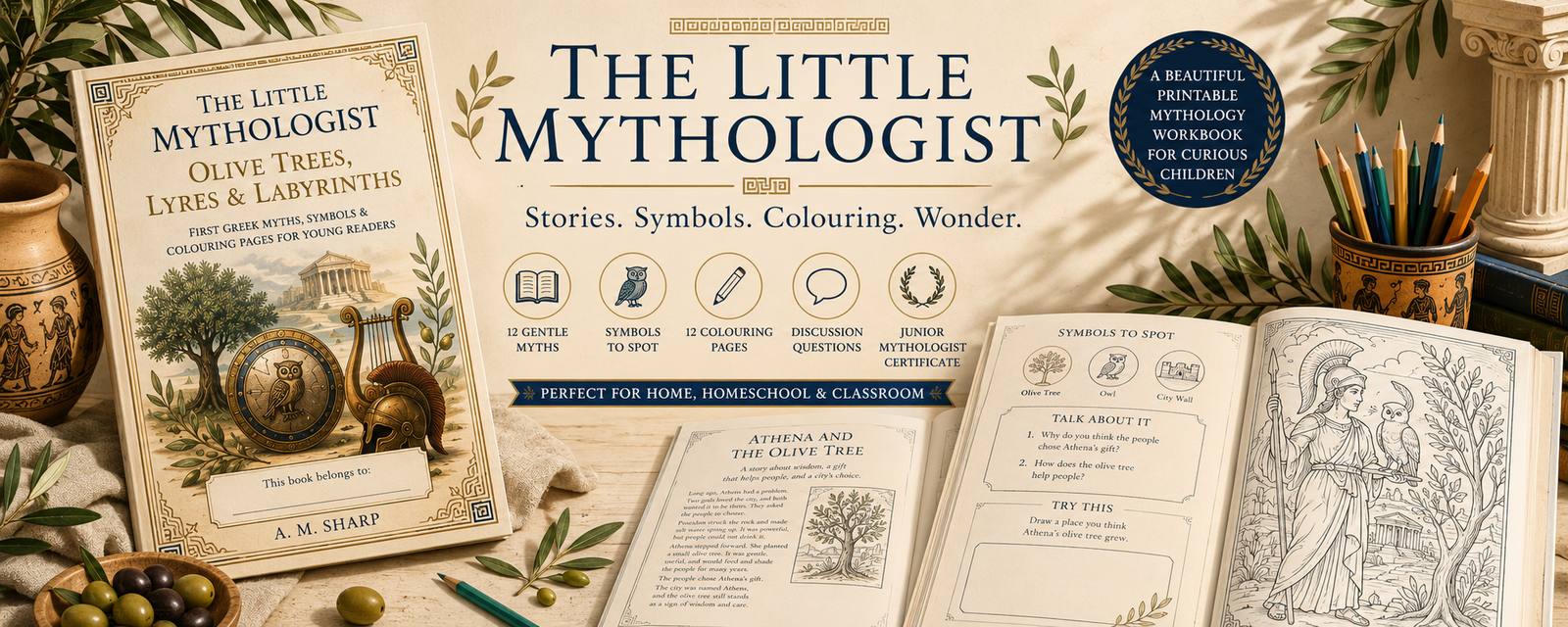

Old Stories, Young Hands — The Little Mythologist Printable Greek Mythology Workbook
Introducing The Little Mythologist, a printable Greek mythology workbook for children aged 6–10. Created as a hands-on companion to The Alexander Series, it includes twelve Greek myth retellings, colouring pages, symbols to notice, questions to discuss, activities, and a Junior Mythologist Certificate. Try the free sample or view the full workbook on Etsy.

Memory, Fathers, and the Education of Telemachus
Telemachus reaches Pylos seeking news of Odysseus, but Nestor gives him something more difficult than certainty: memory. This reader’s guide to The Long Return III — An Old King Remembers explores fathers, sonship, hospitality, Troy’s aftermath, and the first hard education Telemachus receives from old grief.

The Long Return III — An Old King Remembers
Telemachus reaches Pylos seeking news of Odysseus, but Nestor’s house gives him something harder than certainty: hospitality, old grief, and the memory of what happened after Troy. In this third instalment of The Long Return, a young man begins to understand that sonship may become an ordeal long before the father returns.

The Calydonian Boar Hunt: Artemis, Atalanta, and the Monster in the Fields
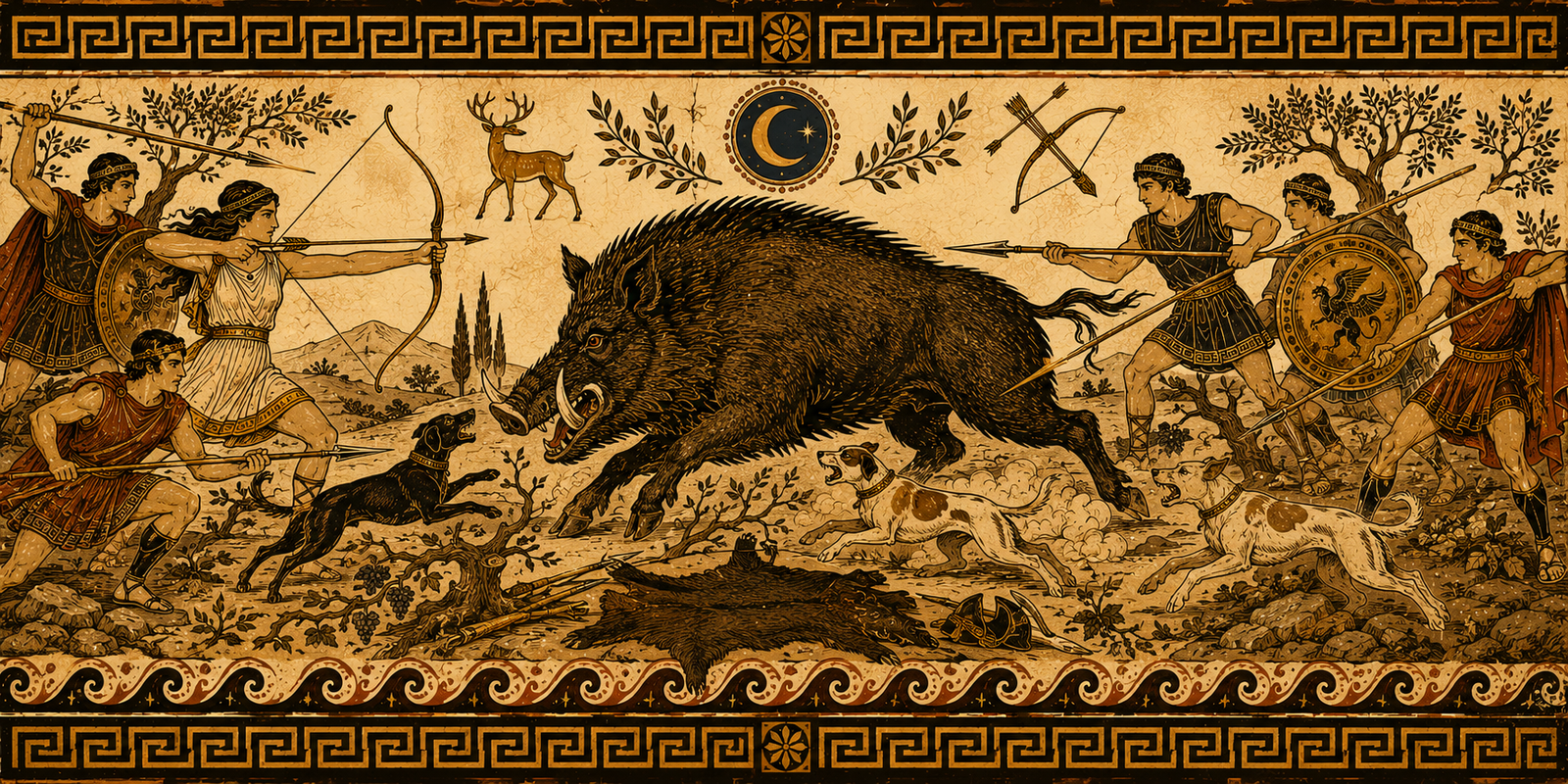
After Atalanta’s race, this Greek World entry places her among hunters, heroes, dogs, spears, and the terrible boar sent by Artemis. The Calydonian Boar Hunt is more than a monster story: it shows divine anger, Atalanta’s courage, Meleager’s honour, and the dangerous pride that remains after the beast falls.

Atalanta Runs for Her Freedom: The Girl No One Could Catch
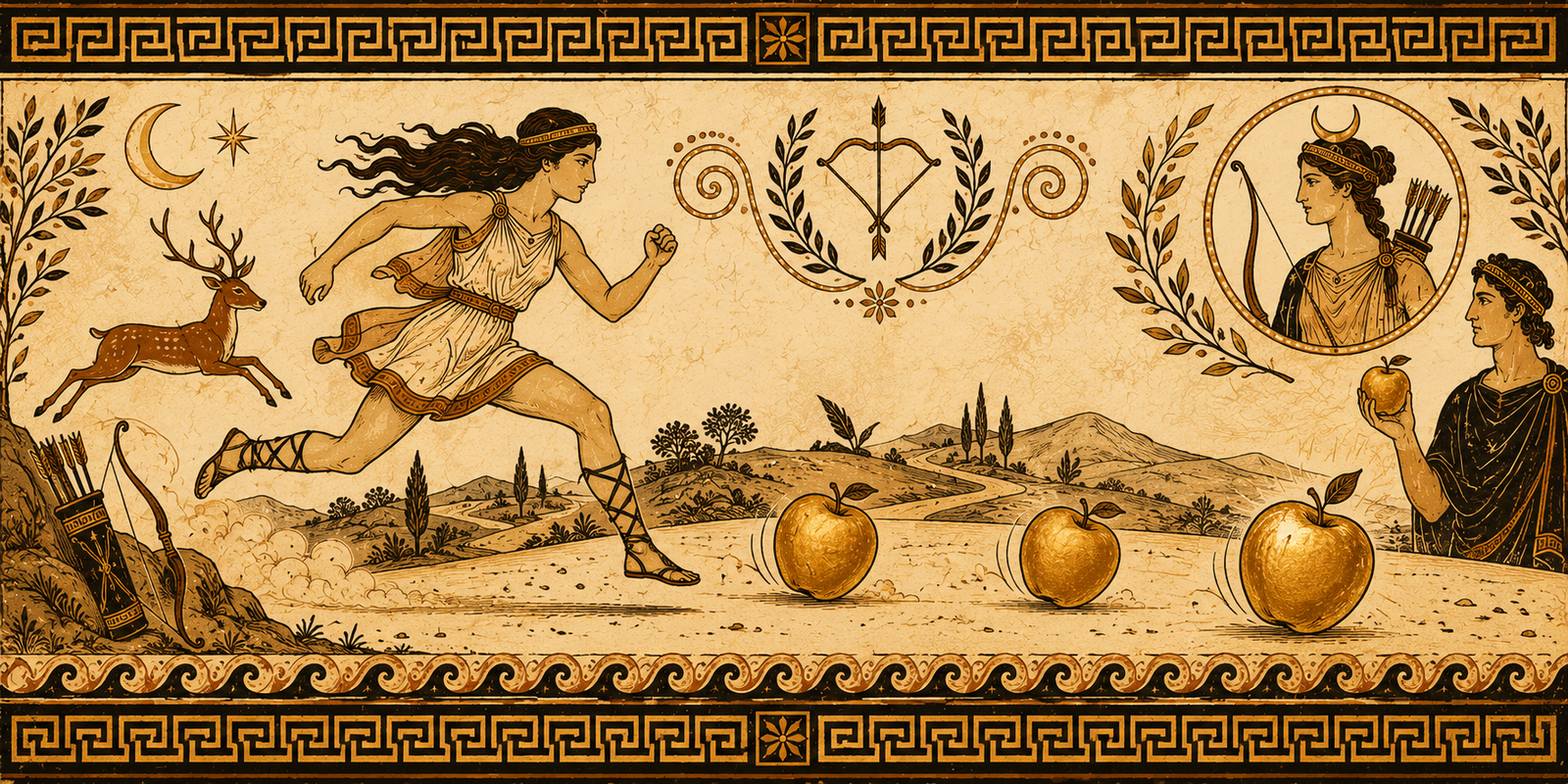
Atalanta can outrun every man who comes to claim her. Raised by the wild and watched, perhaps, by Artemis, she runs as if the whole world has opened beneath her feet. But when Hippomenes arrives with three golden apples, beauty itself falls onto the path — bright enough to interrupt even the fastest runner in Greece.
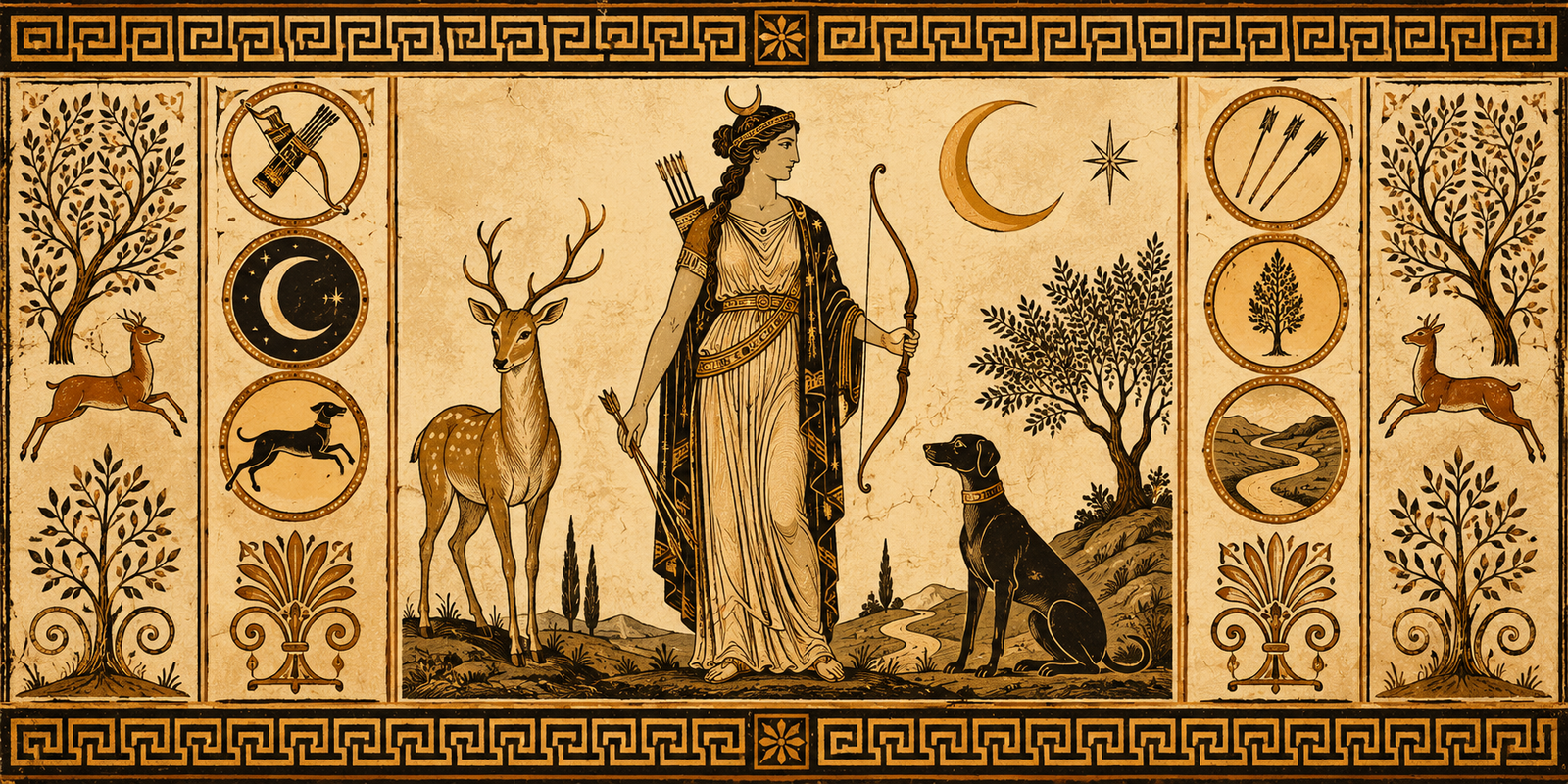

Artemis: The Bow, the Deer, and the Wild Path
Before Atalanta runs, a child should know Artemis: goddess of the bow, the deer, the moonlit path, and the wild places that do not belong to anyone. This Greek World entry introduces Artemis with clarity, danger, and wonder — not as a gentle nature figure, but as the severe, watchful goddess behind Atalanta’s speed.
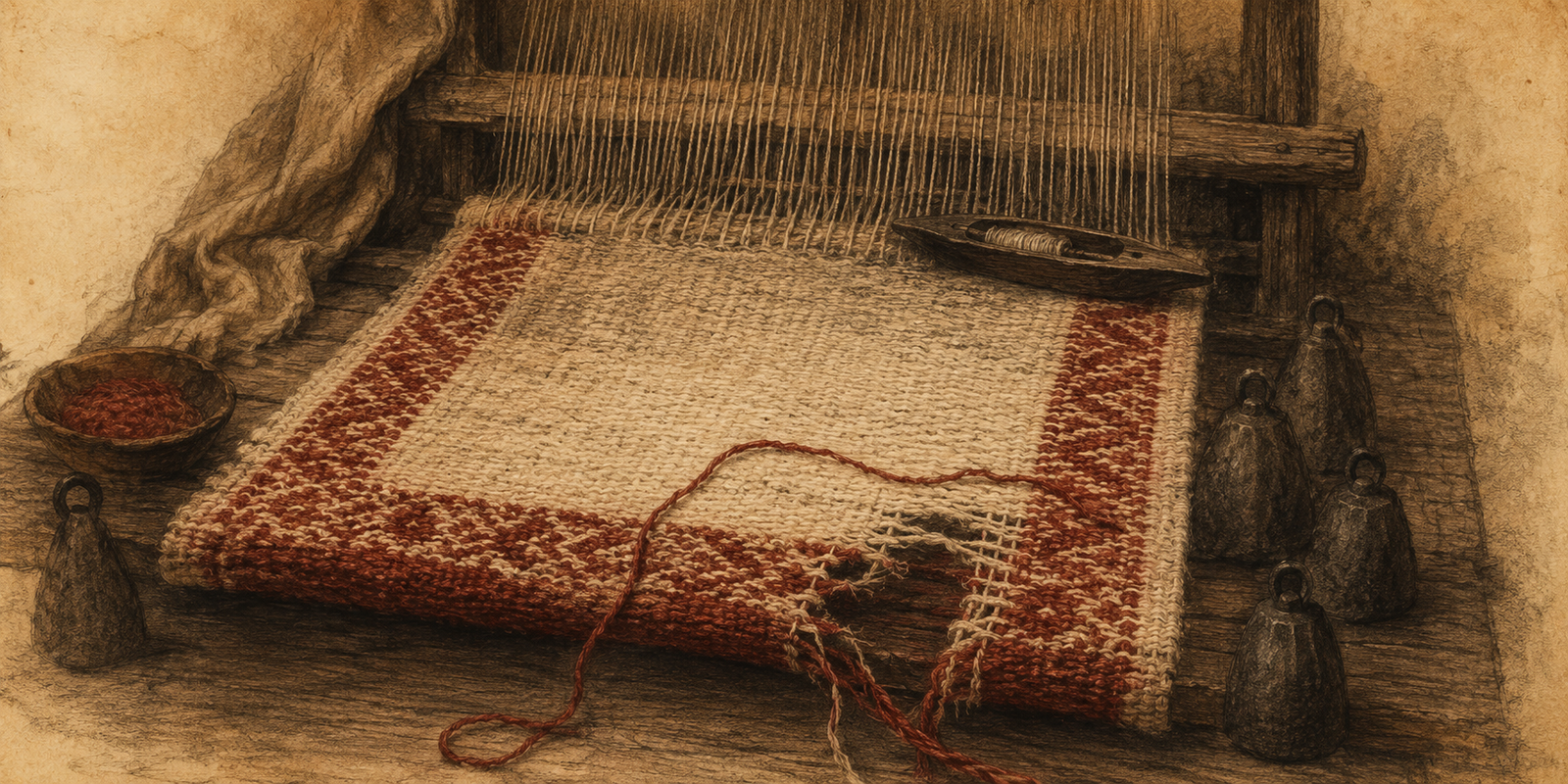

Arachne — The Weaver and the Goddess
A literary Greek myth retelling of Arachne, Athena, mortal skill, pride, divine asymmetry, and transformation. Before the punishment, before the spider, there is a girl at a loom, tired of watching labour mistaken for blessing — and dangerous enough to ask a goddess to look.
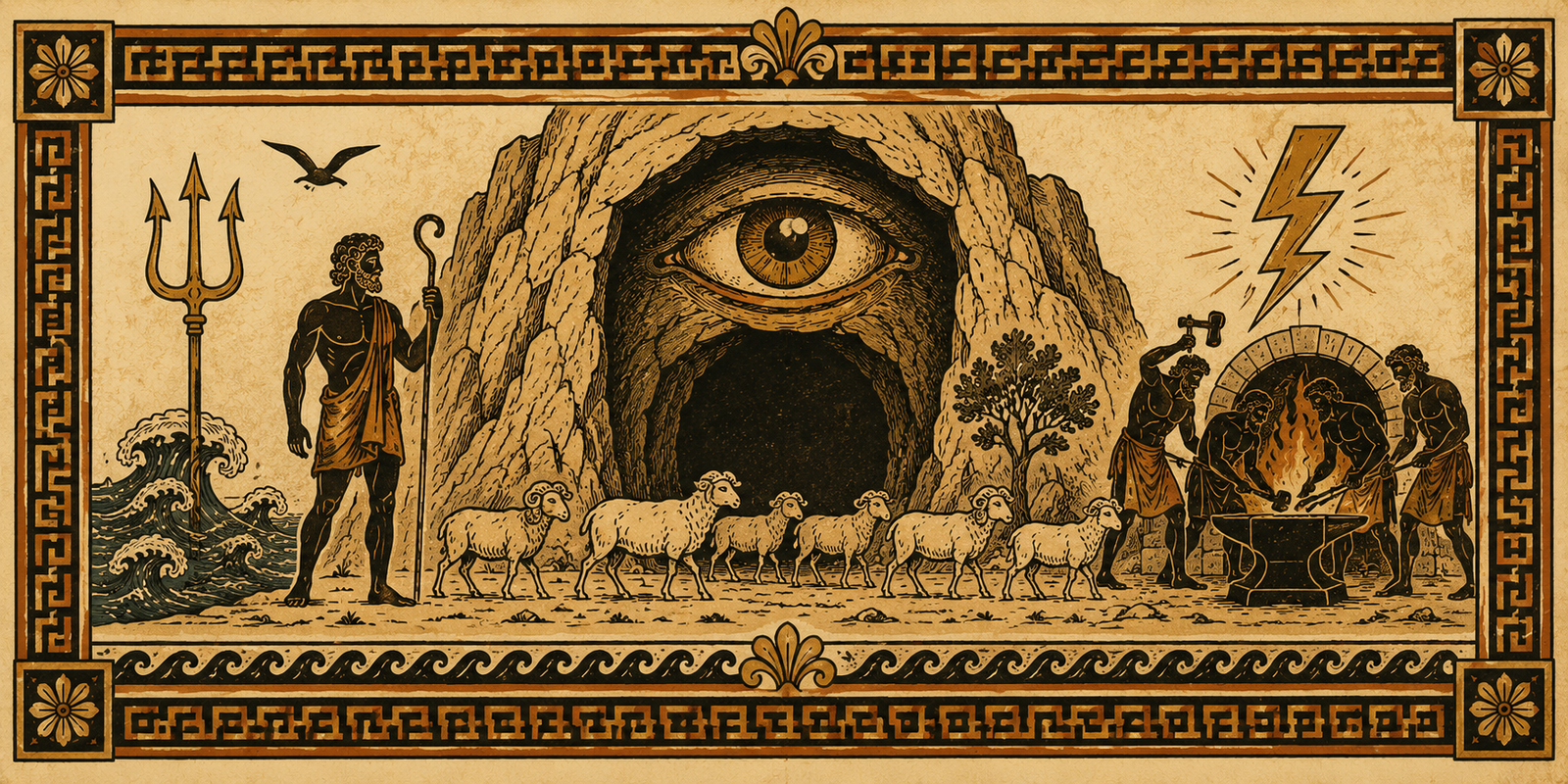

Cyclopes: One Eye in the Dark
After Odysseus escapes the cave, this Greek World entry turns back to ask what a Cyclops really is. Polyphemus is the one-eyed danger in the dark, but the older Cyclopes belong to fire, thunder, divine weapons, and the beginning of the world. The first answer is simple. The second answer is stranger.

The Long Return II — The Debate in Ithaca
The second instalment of The Long Return, a grave prose retelling of Homer’s Odyssey from The Hospitable Dark. Telemachus calls the men of Ithaca together and discovers that rightful speech cannot restore a house when the people around it have grown used to its ruin.
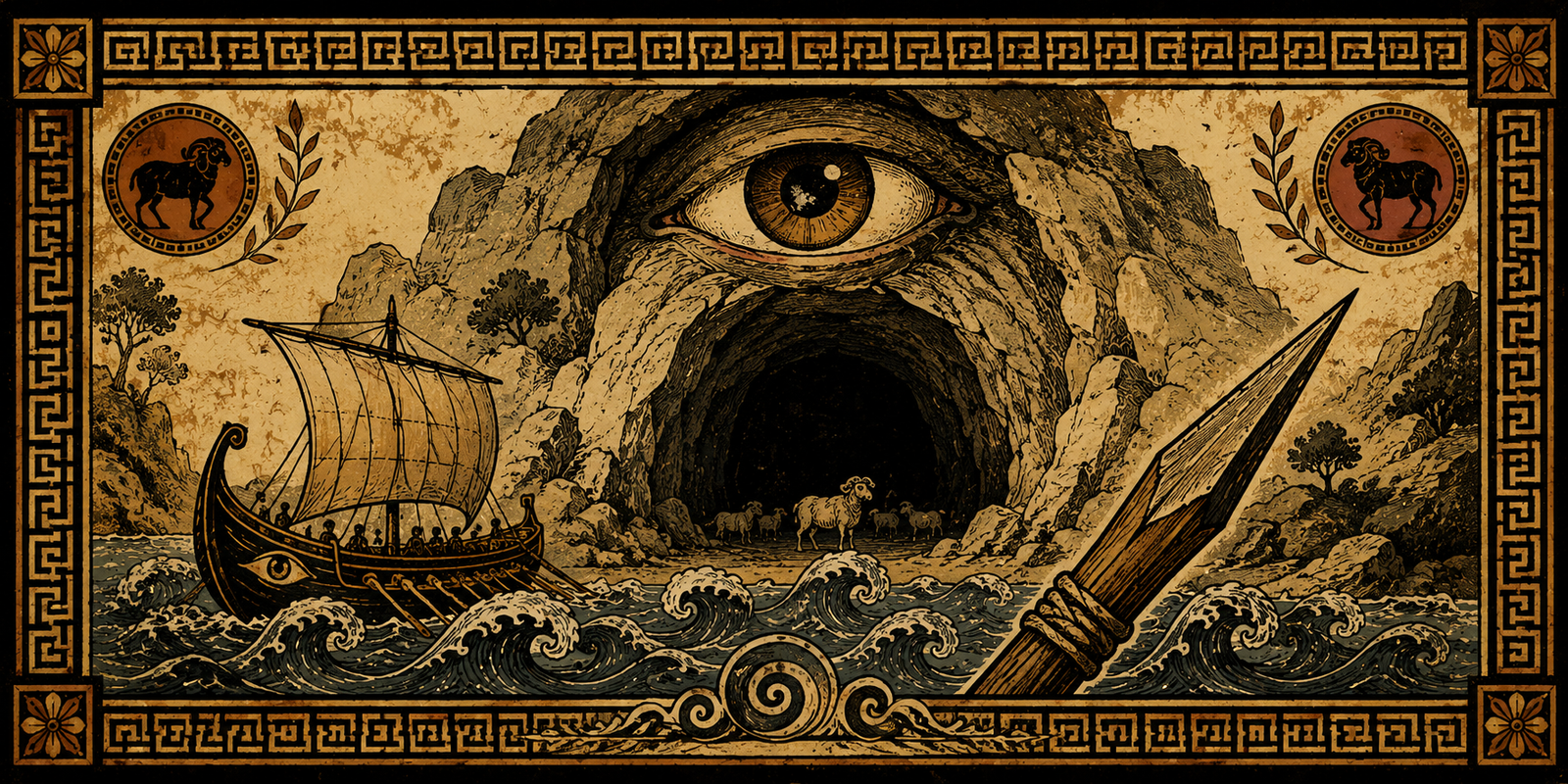

Odysseus in the Cave of the Cyclops
A serious children’s Greek myth retelling of Odysseus, the Cyclops, the cave, Nobody, and the danger of a name spoken too soon. Written for The Alexander Series, this tale carries monster-fear, cleverness, danger, warmth, and the first shadow of Poseidon’s remembered anger.
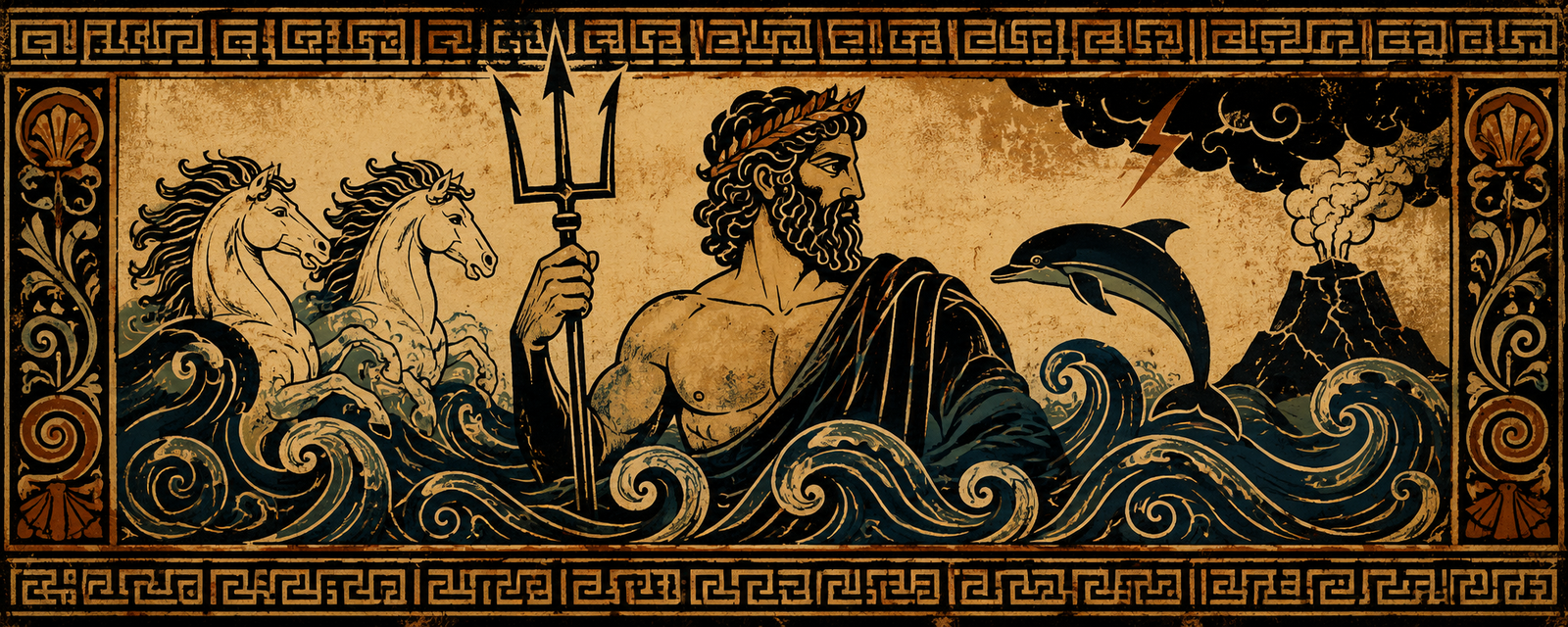

Poseidon: The Sea Is Not Only Water
Before Odysseus enters the Cyclops’ cave, a child should know Poseidon: god of the sea, storms, horses, earthquakes, and remembered insults. This Greek World entry shows that the sea in Greek myth is not scenery. It is a realm with a will of its own — and sometimes it remembers.